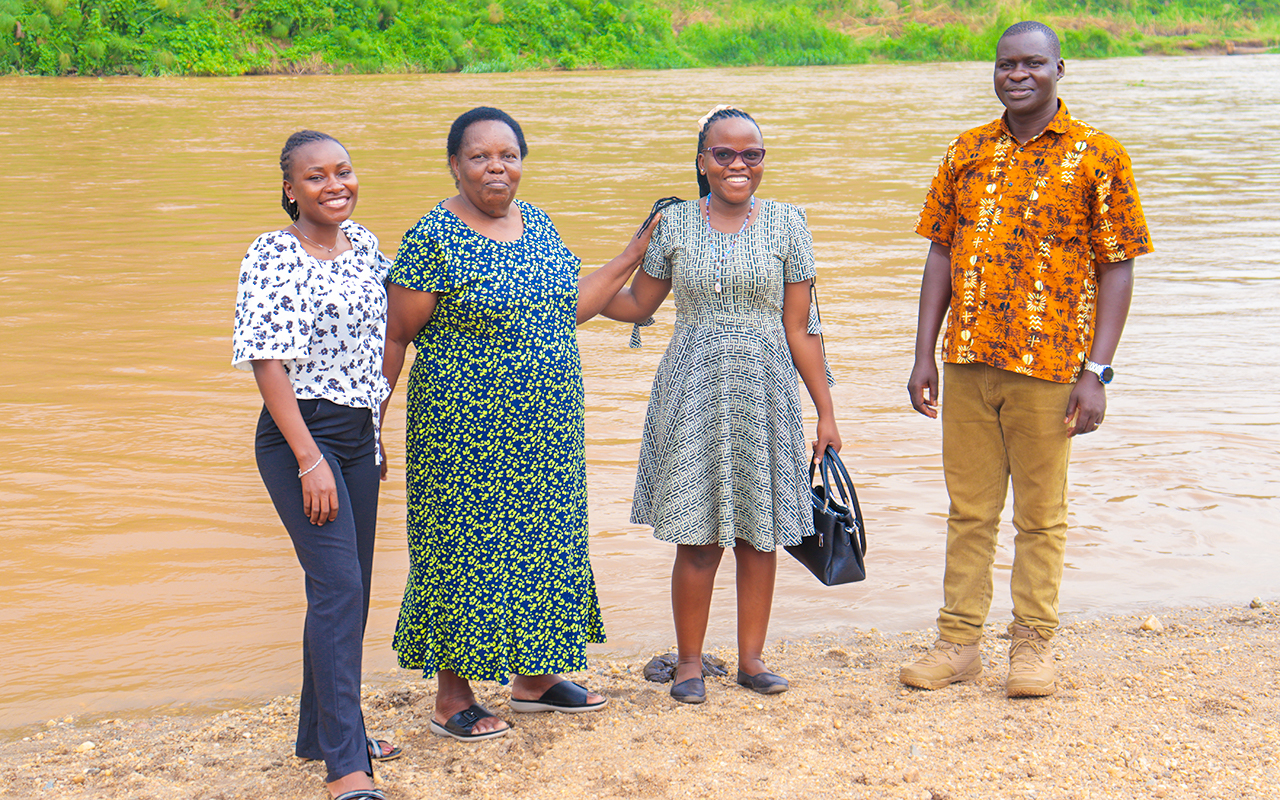
As part of Subproject Three’s (Access and Utilization of Affordable Energy Technology) commitment to research-driven community transformation, a preliminary field visit to briquette-producing women’s groups in Isingiro District and Mbarara City was conducted. The visit brought together a multidisciplinary team comprising Dr. Johnes Obungoloch, Dr. Imelda Kemeza, PhD scholar Ms. Constance Nakimuli, and Ms. Hope Morian.
The team visited three established production sites:
7CJ’s Home of Making Briquettes in Ruti–Mbarara City and two smaller-scale women-led enterprises in Isingiro District: Kyakabindi Household Lorena Stoves and Briquette Making and Butenga 1 Lorena Cooking Stoves. These groups have continuously engaged with PhD scholars, particularly Asasira Justus and Constance Nakimuli, as part of ongoing research activities.
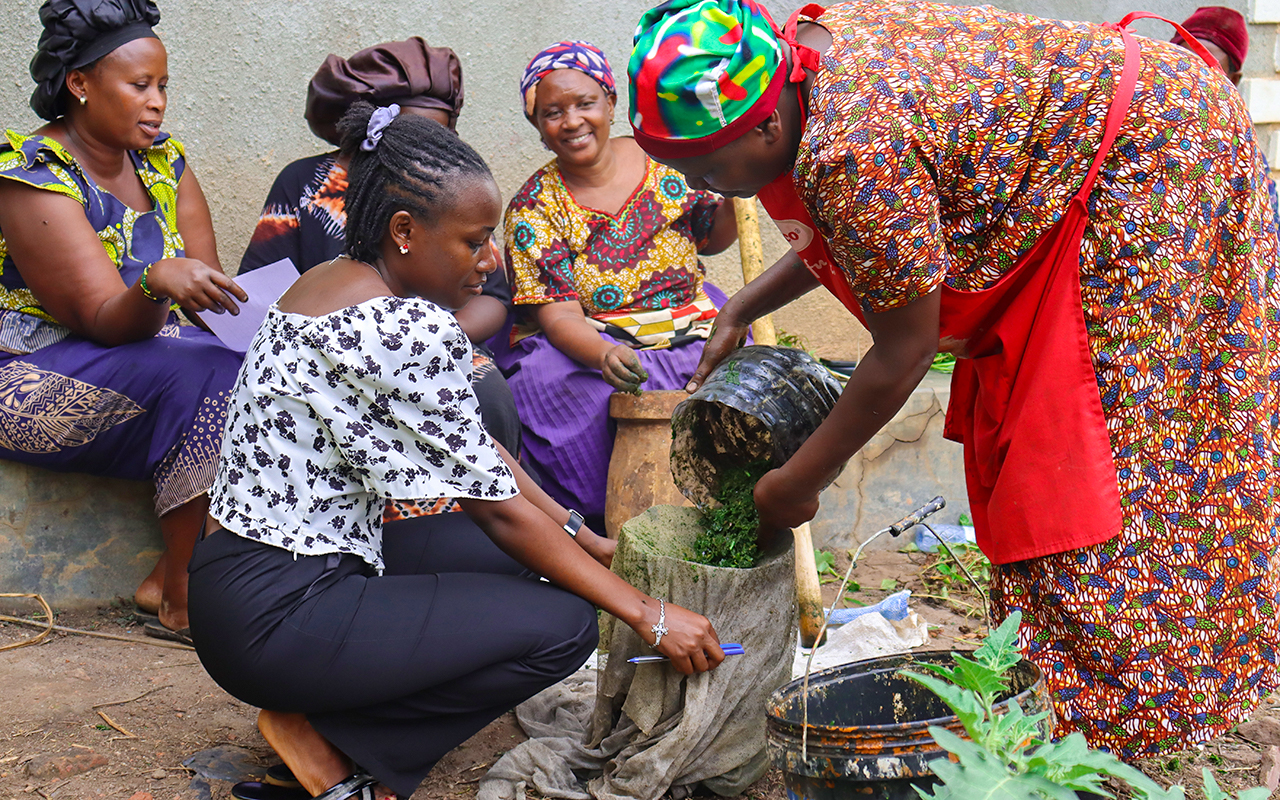
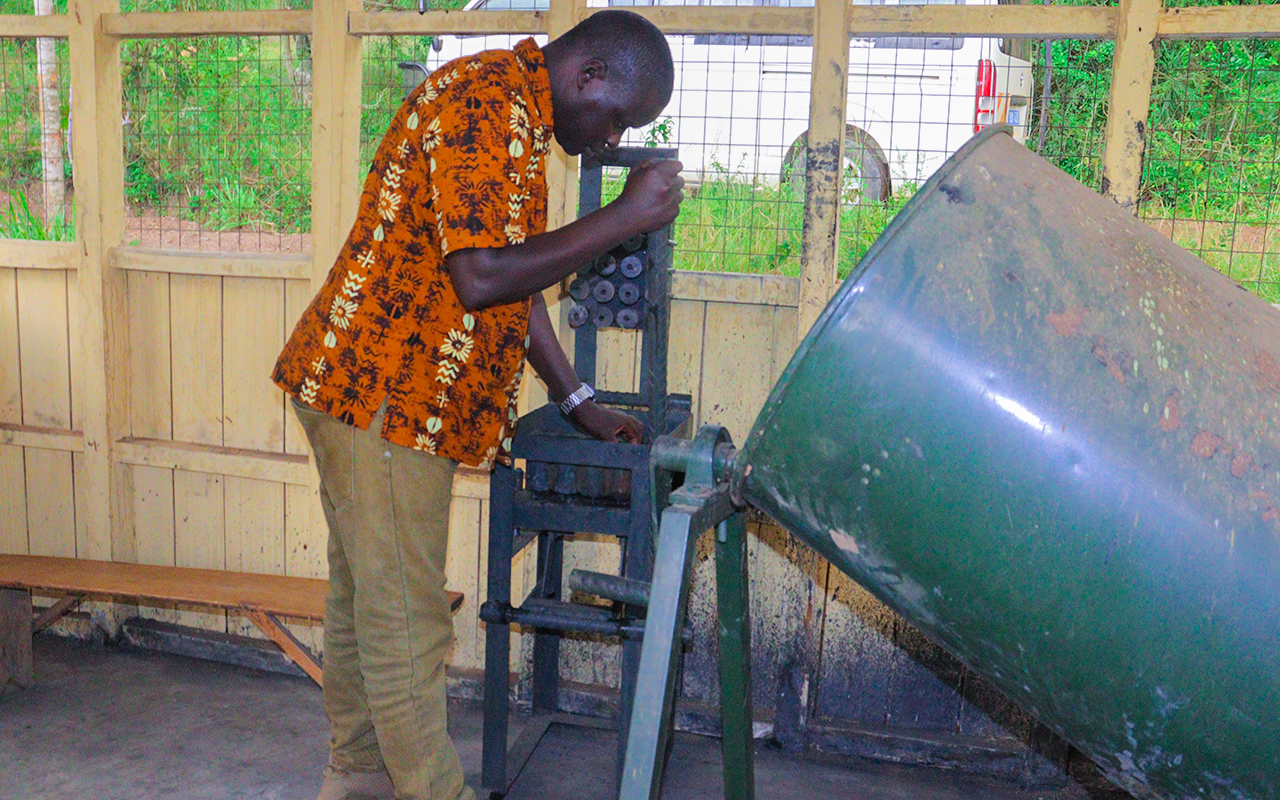
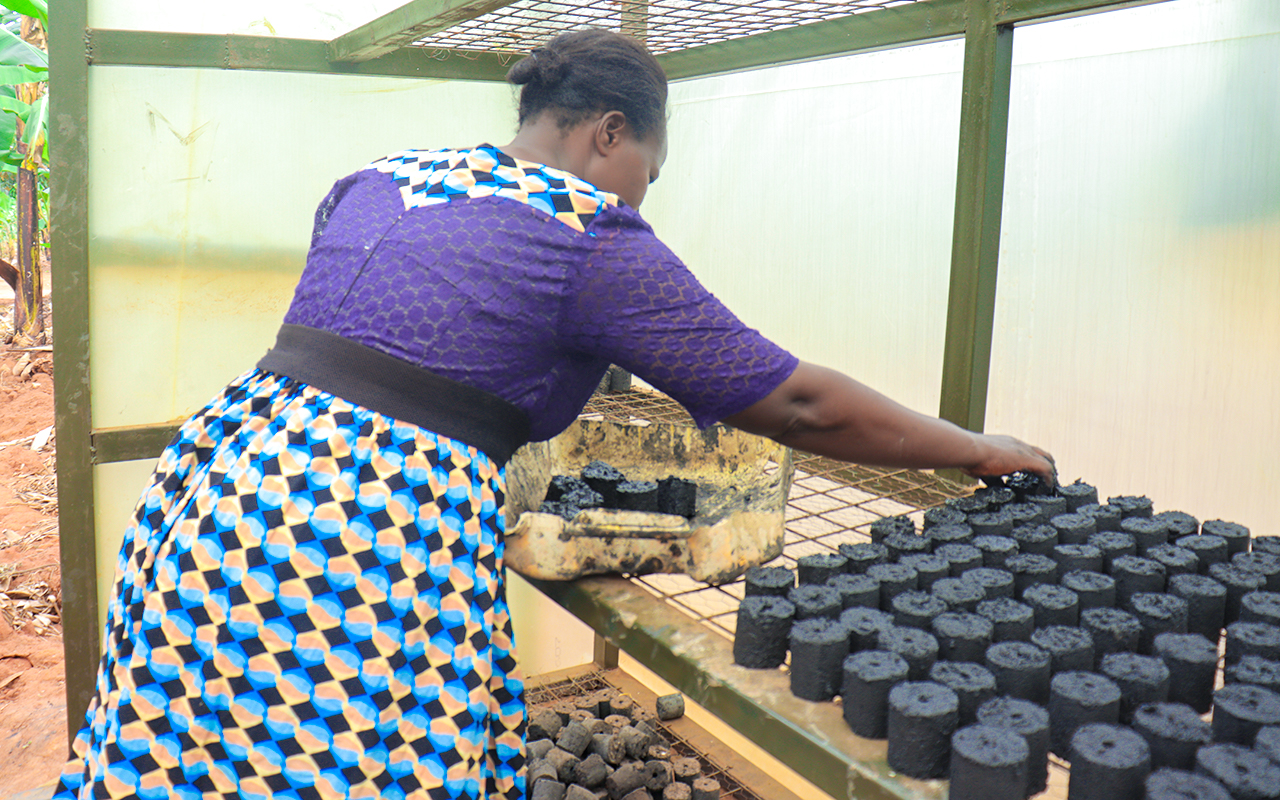
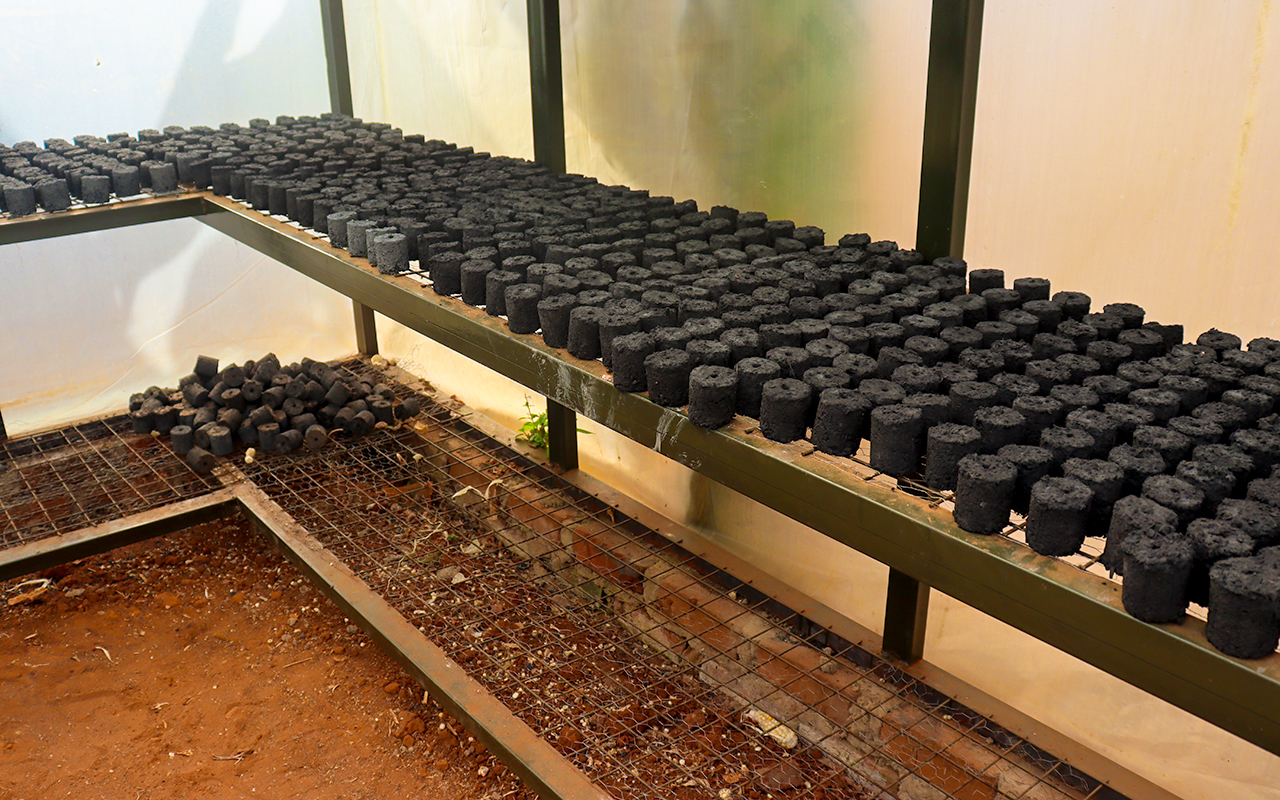
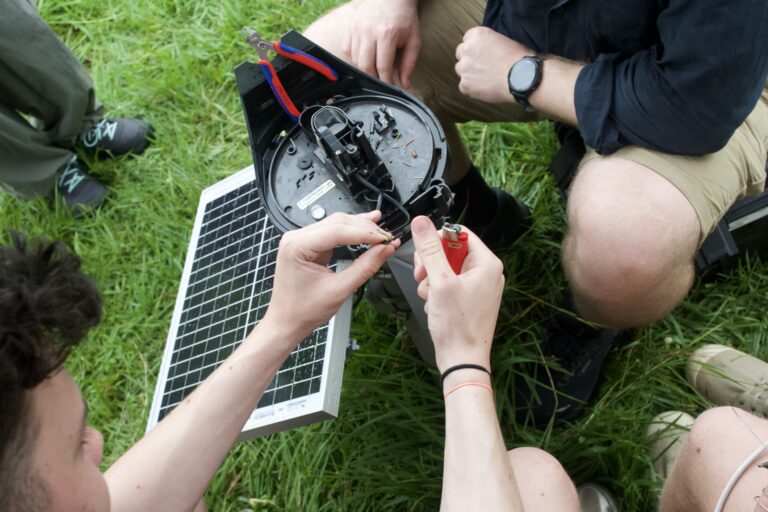
Above; photos of Kabingo Lorena Energy stoves taking the team through the production procedures
Bridging Research and Practice
The main objective of the pre-visit was to assess practical pathways for strengthening collaboration with the women’s groups, particularly in enhancing briquette quality and promoting value addition. A key focus was the integration of research findings from the PhD scholars into real-world production processes.
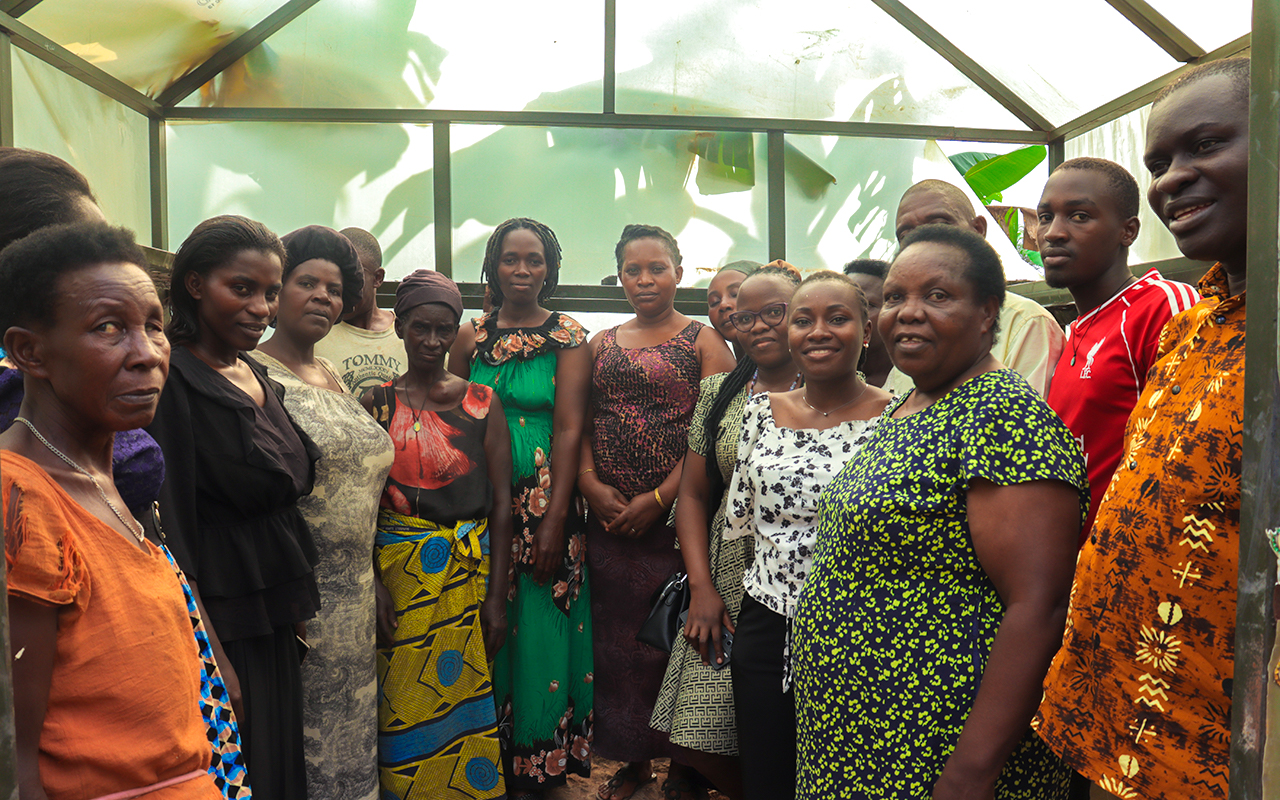
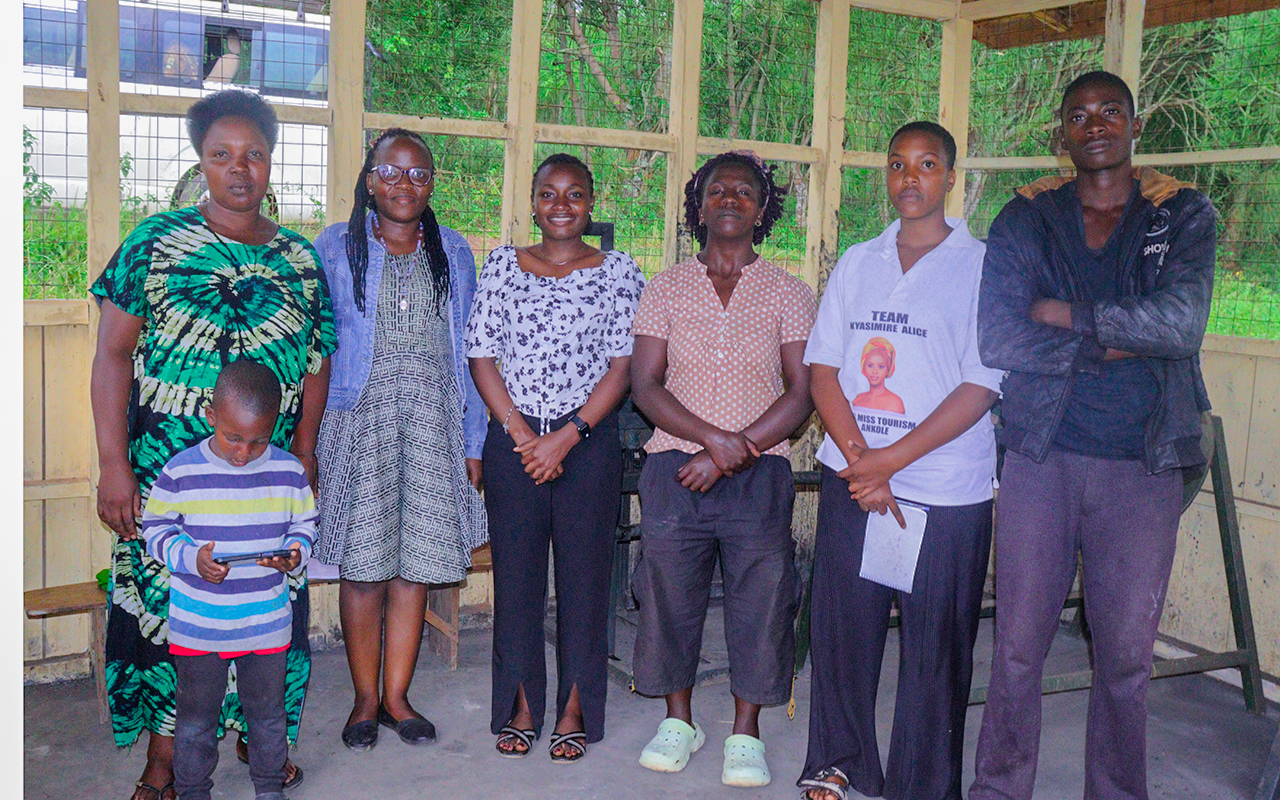
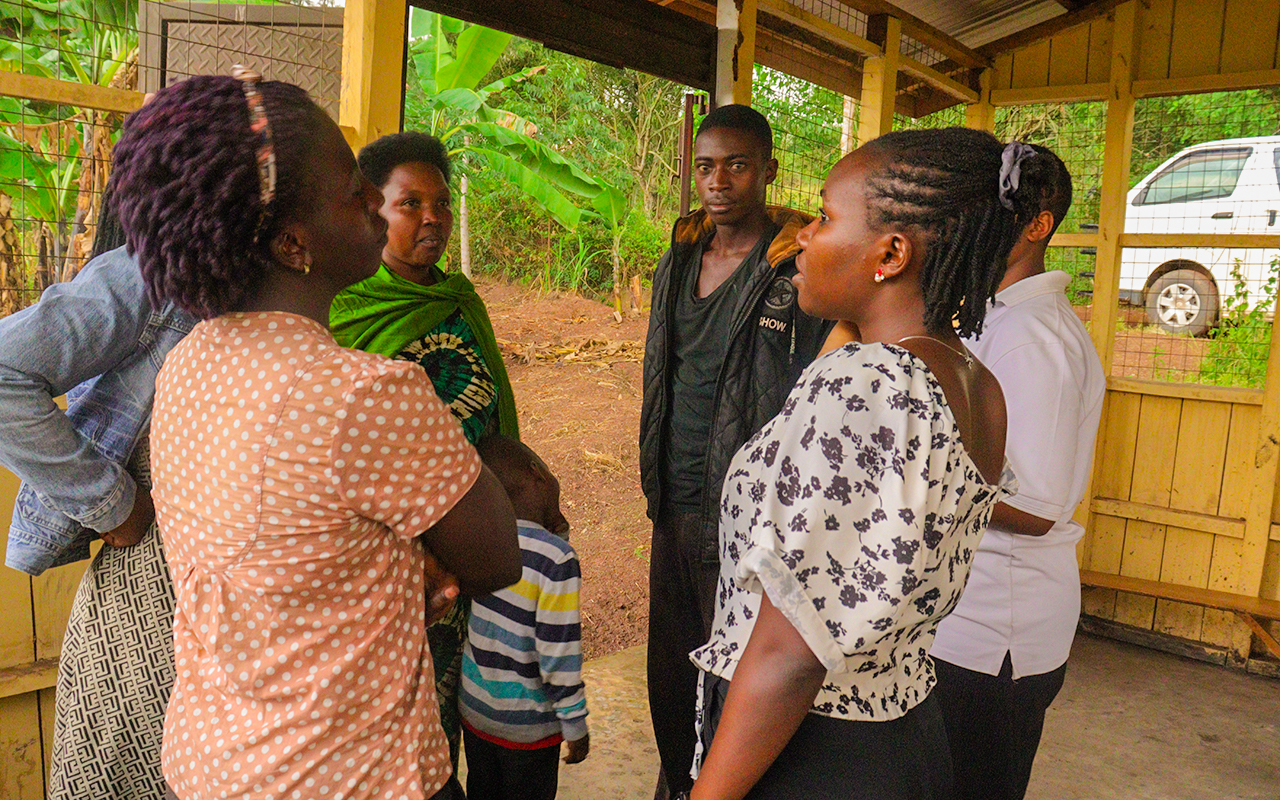
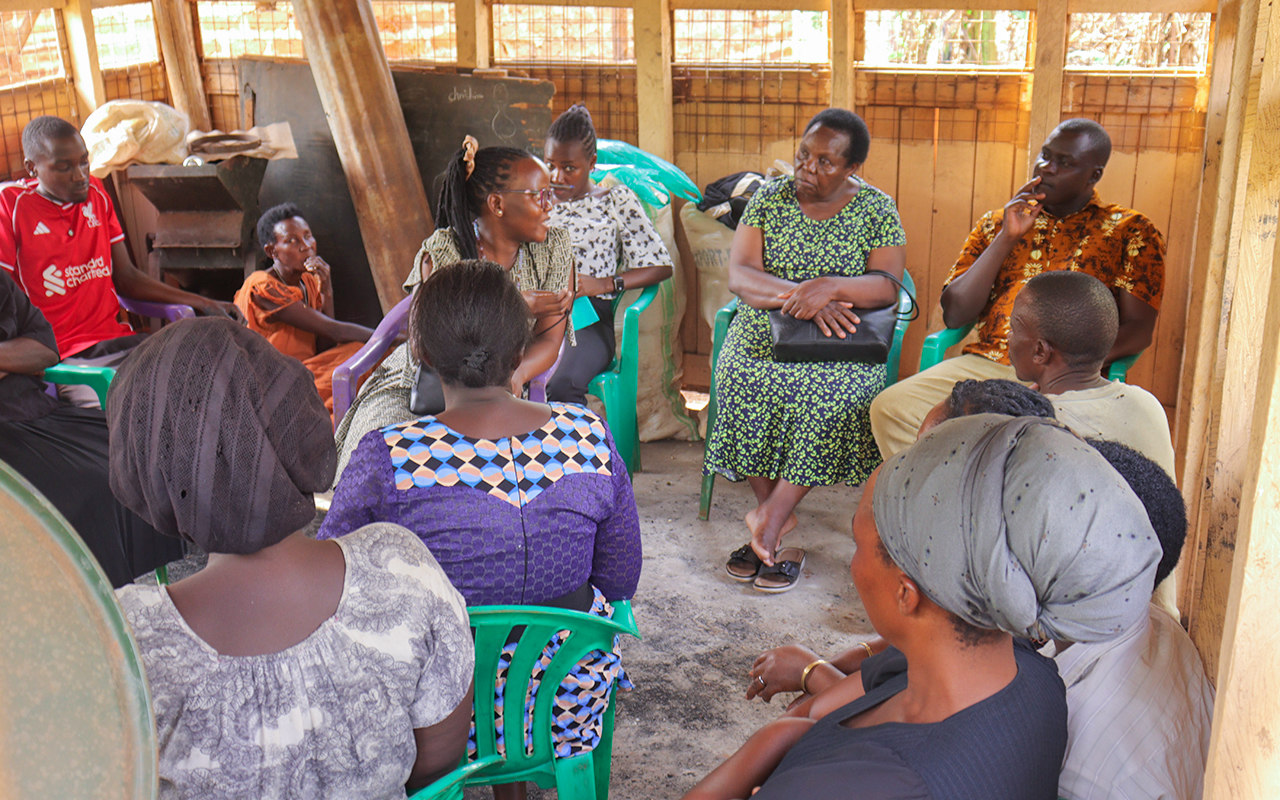
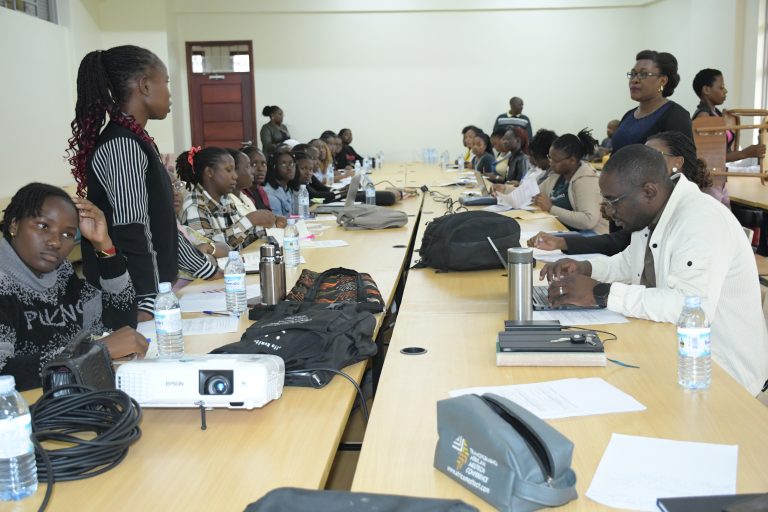
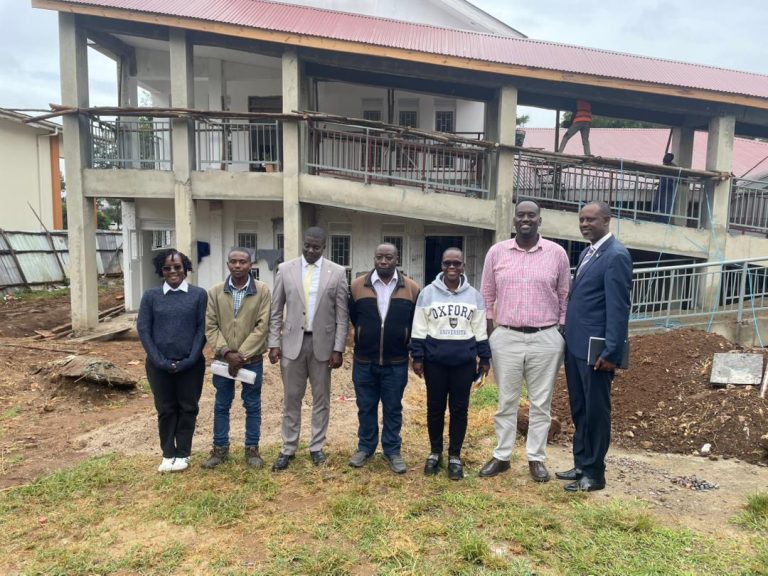
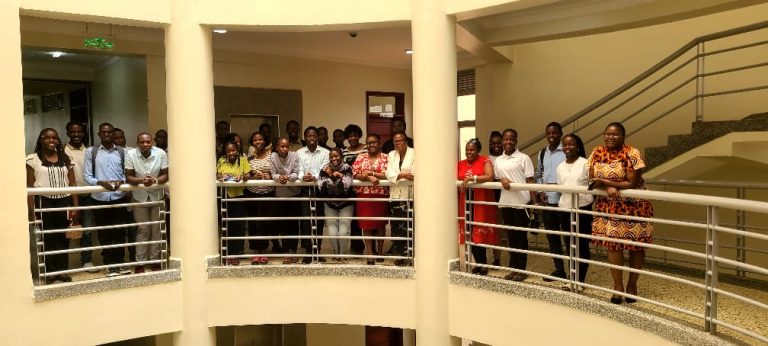
Group photos for the different groups and during a discussion with Butenga 1 briquette makers in the production room
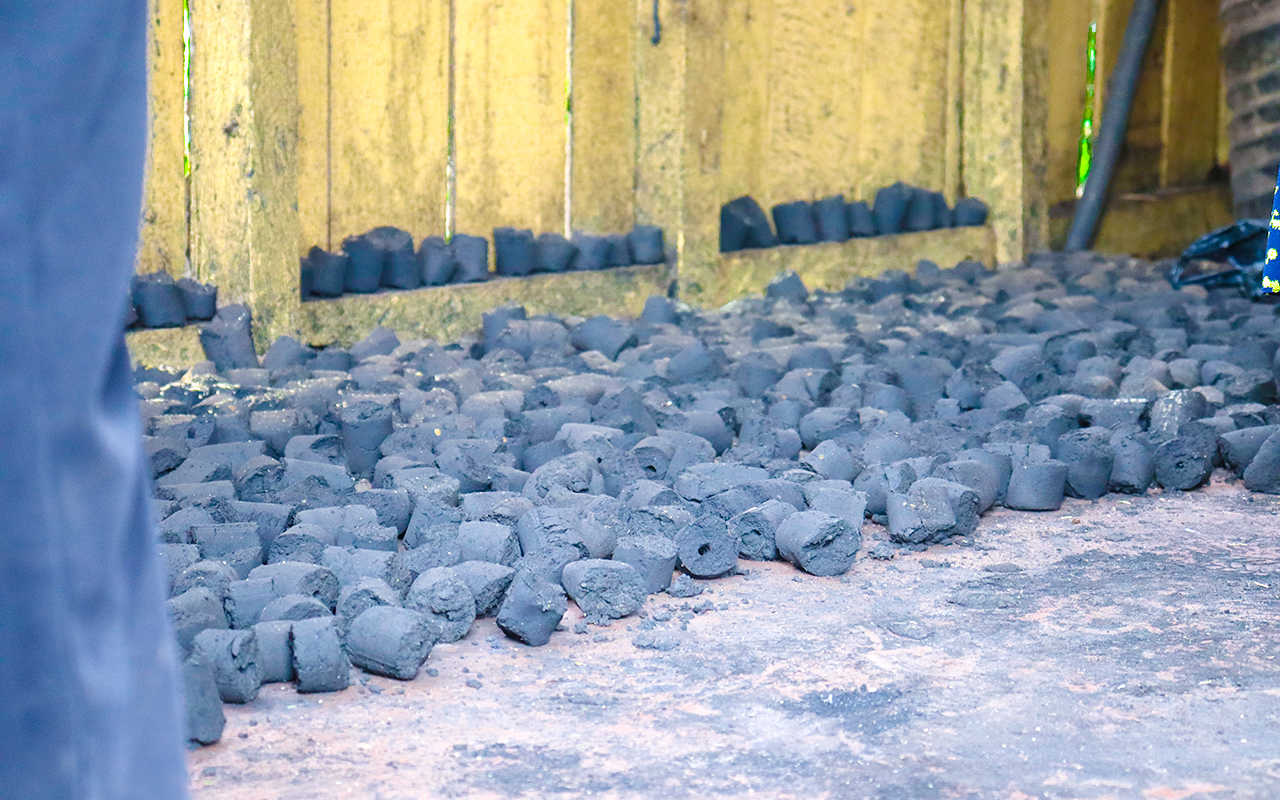
During the field interactions, the team observed production procedures, engaged in technical discussions, and explored improvements in machinery handling and product finishing. These engagements provided firsthand insight into the challenges and opportunities within small- and medium-scale briquette enterprises.
Identifying Innovation in Biomass Briquettes
A notable highlight of the visit was the identification and recruitment of Kabingo Household Lorena Energy Stoves, a women’s group working exclusively with biomass materials.
Recommended by PhD scholar Constance Nakimuli, whose research focuses on improving briquette quality, this group represents a promising model of sustainable energy innovation.
Unlike other groups that rely primarily on charcoal dust and sawdust, Kabingo producers utilize alternative biomass resources such as anthill soil, sweet potato stems, bean husks, dry banana leaves, corn cobs, maize stems, and groundnut stems
This diversified raw material approach presents significant potential for enhancing sustainability while reducing environmental degradation.
Capacity Building for Quality and Market Competitiveness
Following the assessment, Subproject Three resolved to organize a comprehensive five-day training for rural briquette producers from Isingiro, including the newly recruited Kabingo group. The training will be hosted at 7CJ’s Home of Making Briquettes in Mbarara City and is scheduled from Monday, 2nd to Friday, 6th February 2026
The training aimed at:
-
Improving briquette quality and durability
-
Strengthening value addition techniques
-
Enhancing marketing strategies to maximize sales and profitability
Importantly, the project will support the first post-training production cycle and conduct a comparative assessment of briquettes produced before and after the training.
This evaluation will provide measurable evidence of the training’s impact while reinforcing continuous improvement.
Advancing Clean Energy Through Research-Community Partnerships
The preliminary visit marks a critical step in aligning academic research with community-based enterprise development. By empowering women-led briquette producers with improved technical skills, innovative biomass approaches, and stronger market strategies, Subproject Three continues to advance sustainable energy solutions while strengthening rural livelihoods.
Through this integrated approach, research moves beyond theory into tangible community transformation one briquette at a time.
Gallery: