A five-day basic training in Python programming was successfully conducted at Mbarara University of Science and Technology, Faculty of Computing and Informatics, Kihumuro Campus, to enhance digital skills, strengthen data analysis capacity, and foster international academic collaboration.
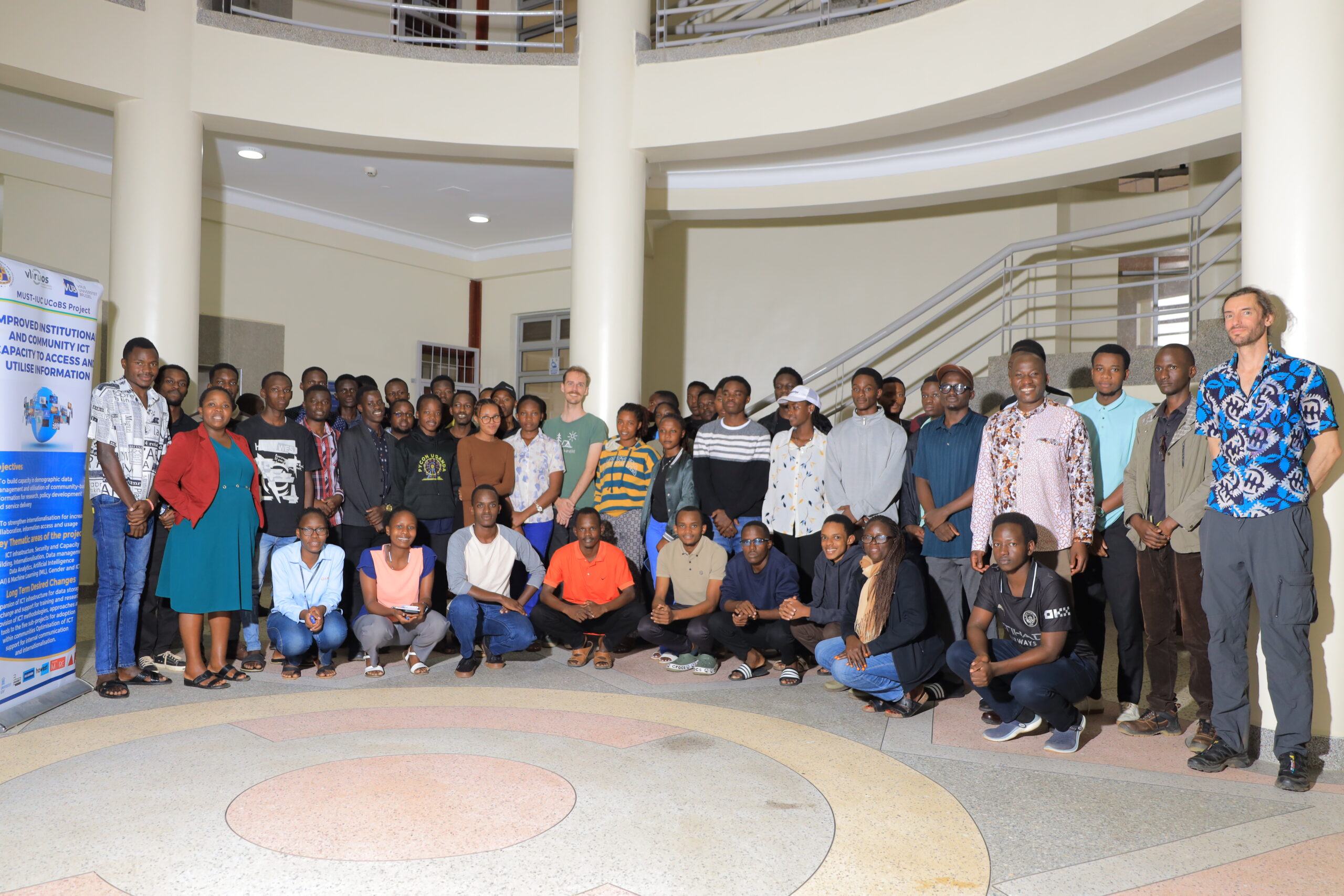
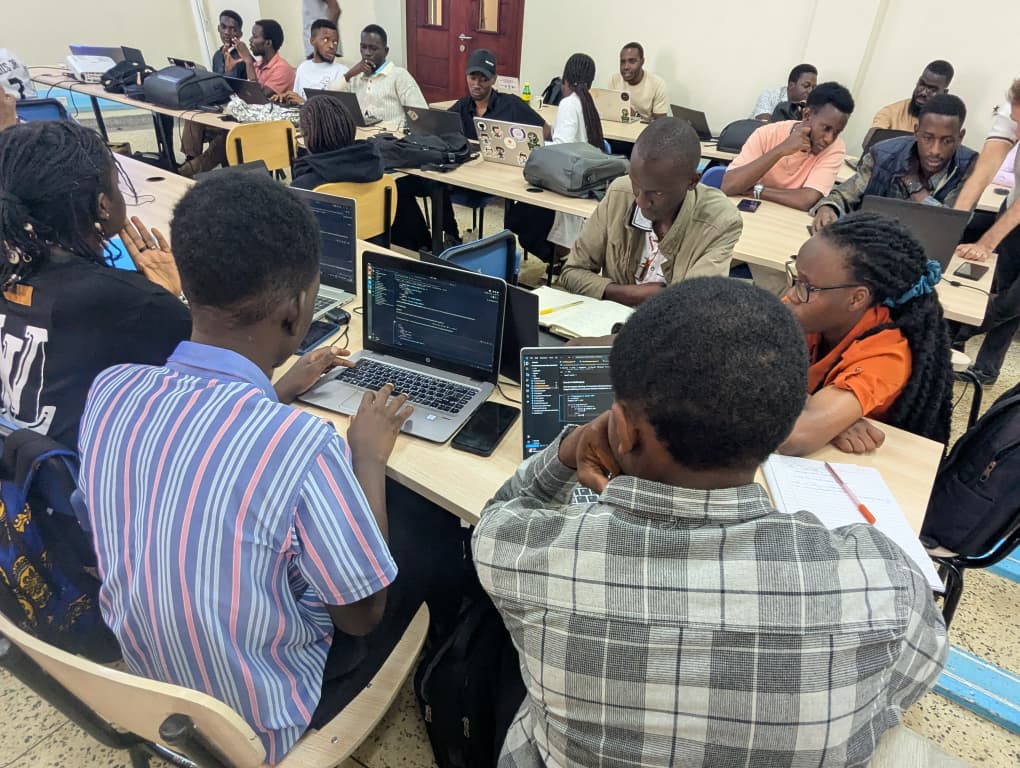
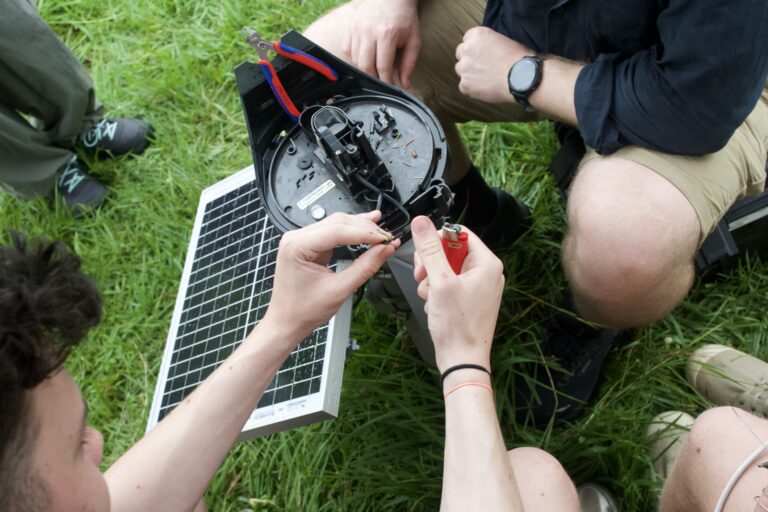
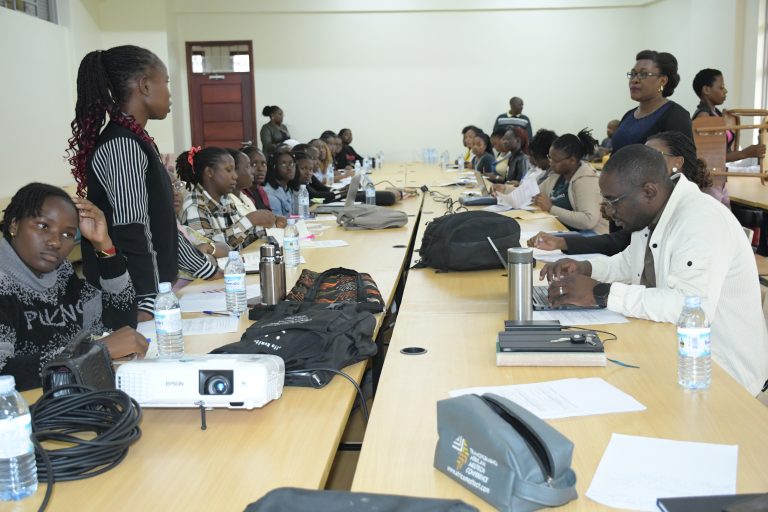
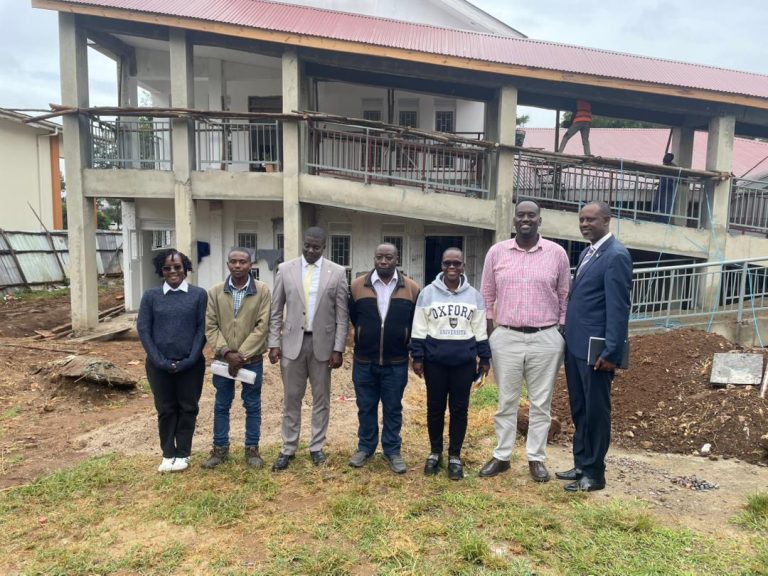
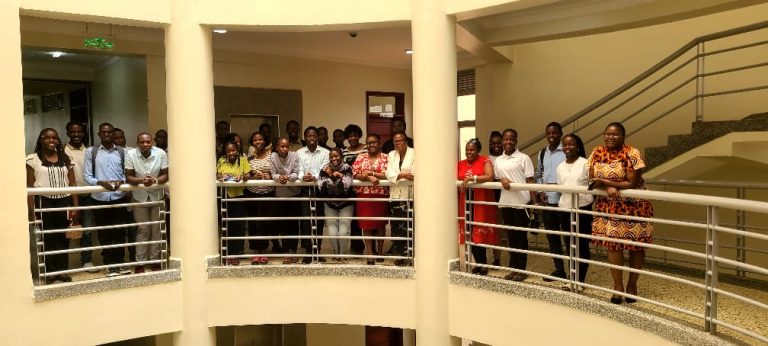
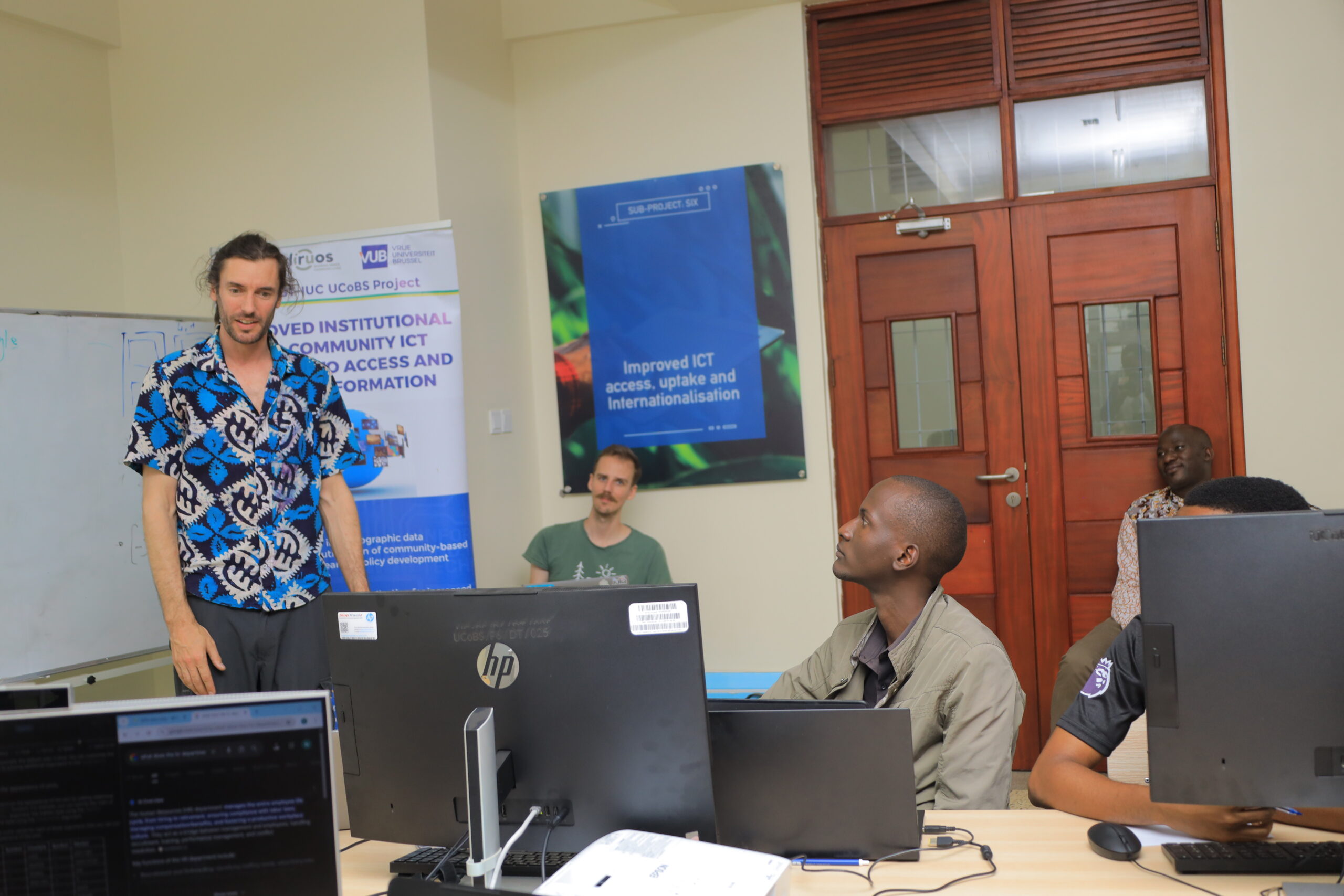
Above: Photos taken after and during the training
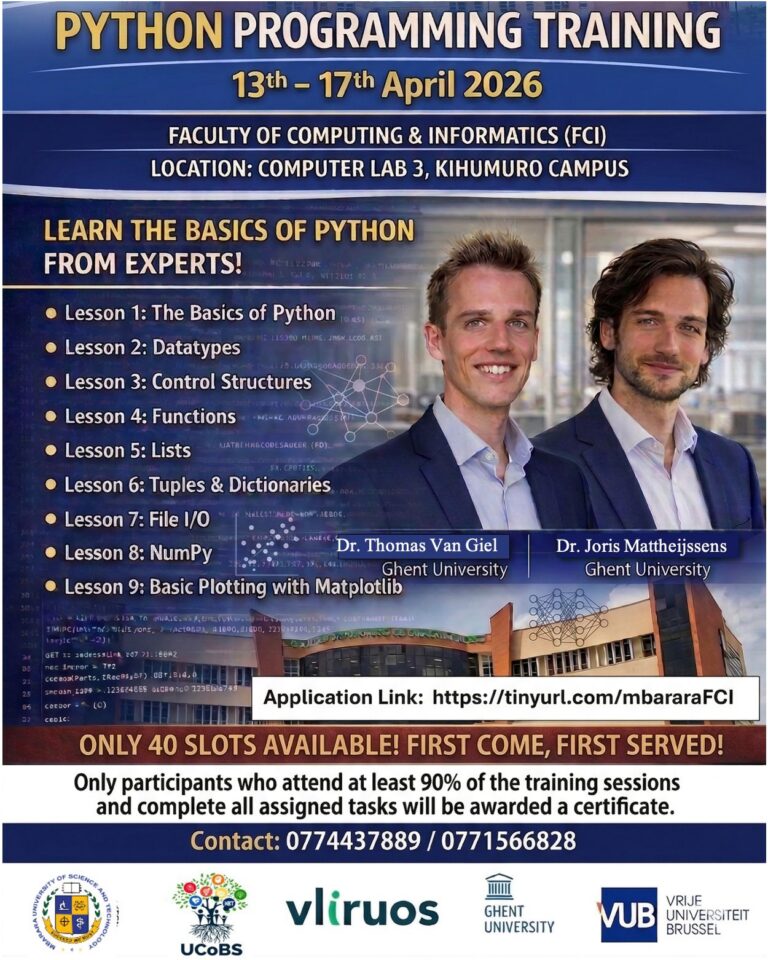
The training, held April 13–17, 2026, was hosted by MUST IUC – UCoBS Subproject 6, responsible for Institutional & Community ICT Capacity to Access & Utilize Information, and facilitated by instructors Joris Mattheijssens and Thomas Van Giel from Ghent University. The initiative was coordinated by Dr. Richard Kimera and Tukamushaba Fortunate, with oversight from Subproject 6 team leaders Dr. Fred Kaggwa and Mr. Rudy Gevaert.
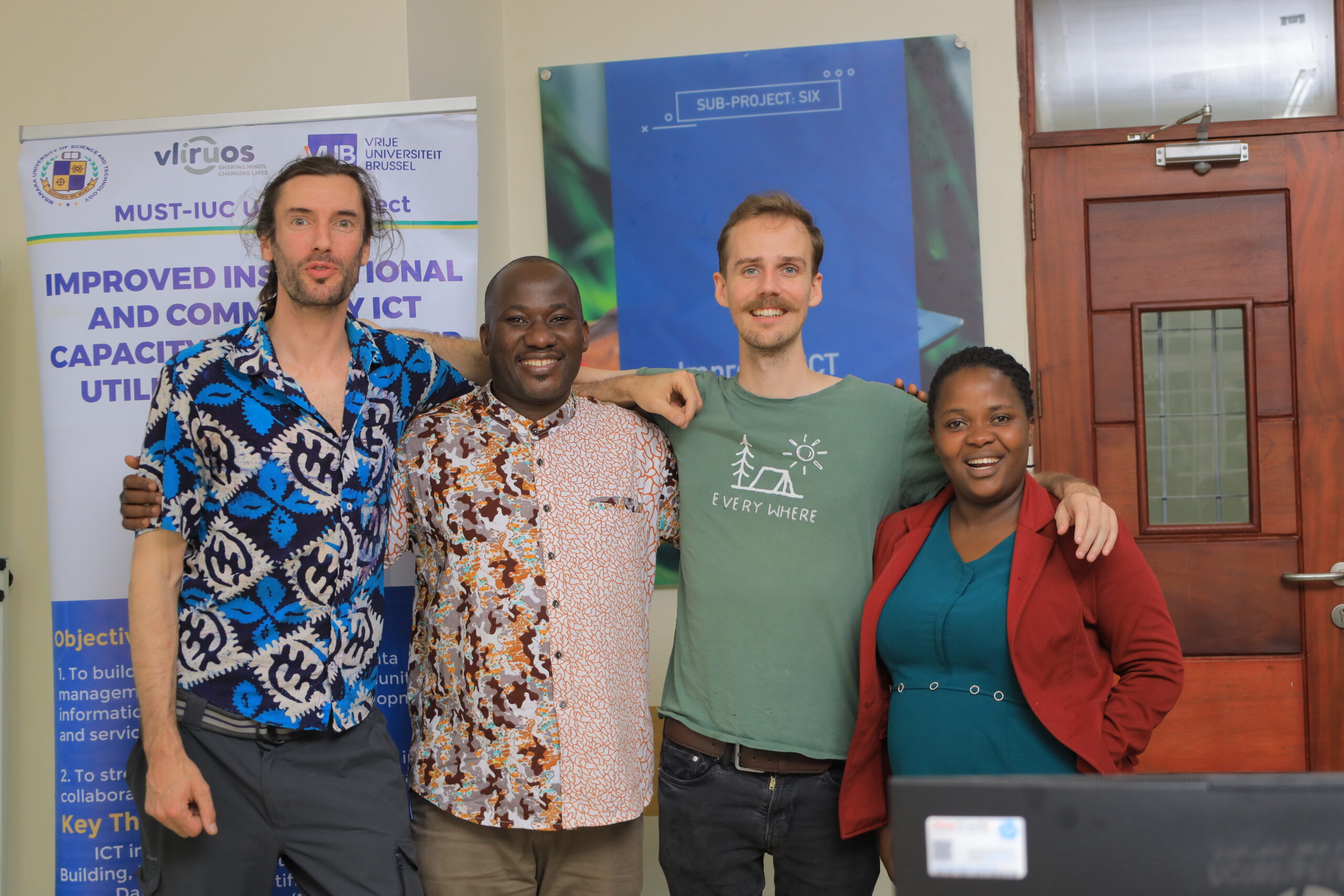
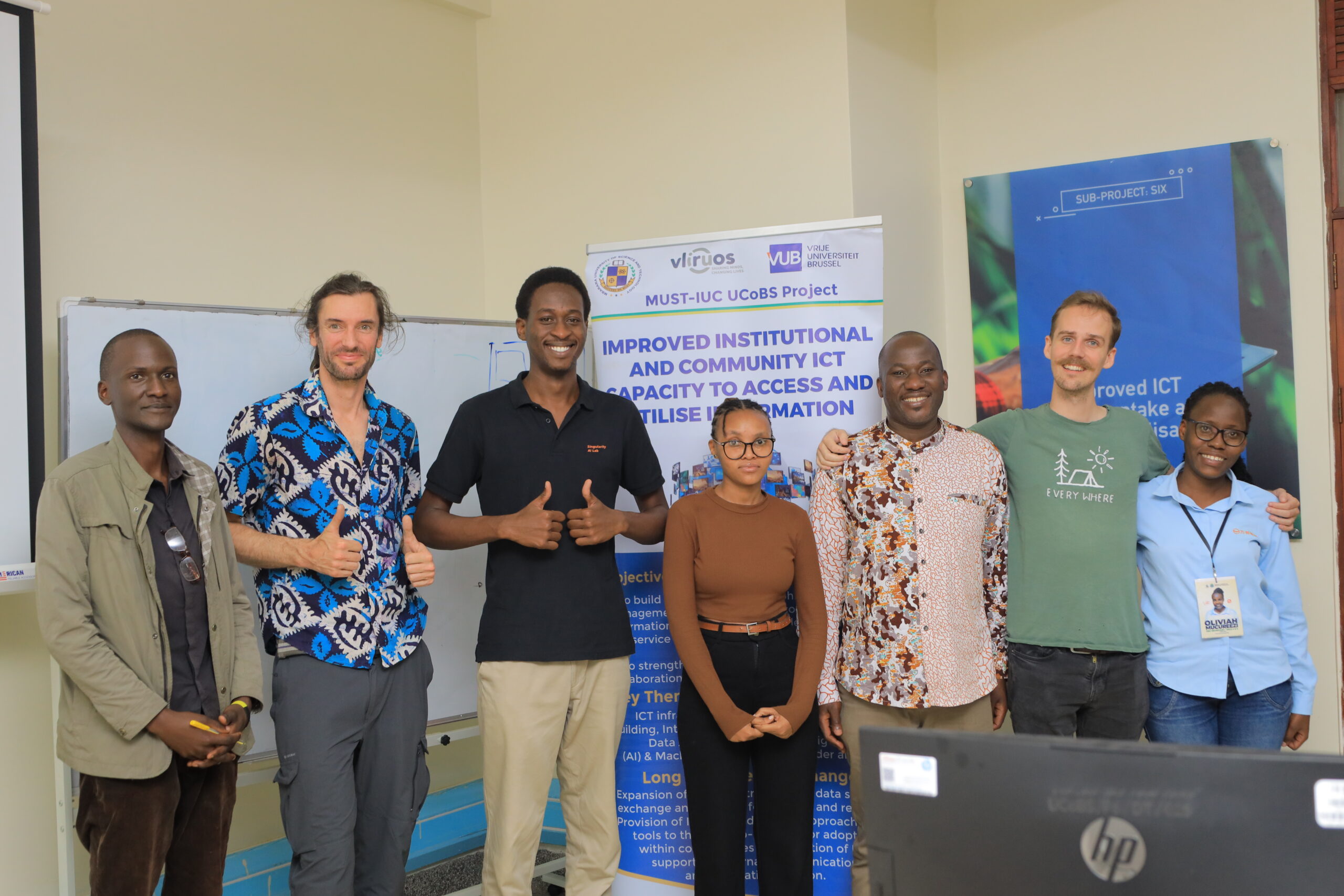
Left, right: The Instructors with the sub-project 6 team members and the team with the representation of students
The program brought together 54 participants from undergraduate and postgraduate programs in science and computing disciplines, creating a dynamic and collaborative learning environment. Designed as a hands-on experience, the training introduced participants to fundamental programming concepts and advanced toward practical applications in data analysis and visualization. Key topics included Python basics, control structures, functions, data structures, and the use of libraries such as NumPy and Matplotlib.
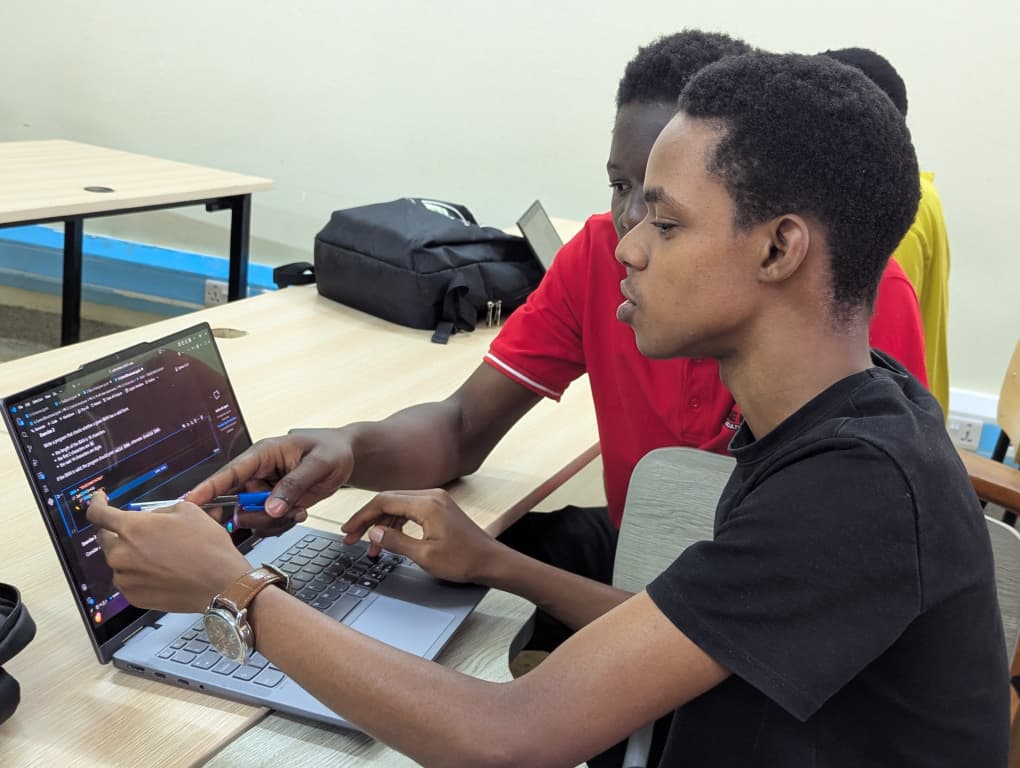
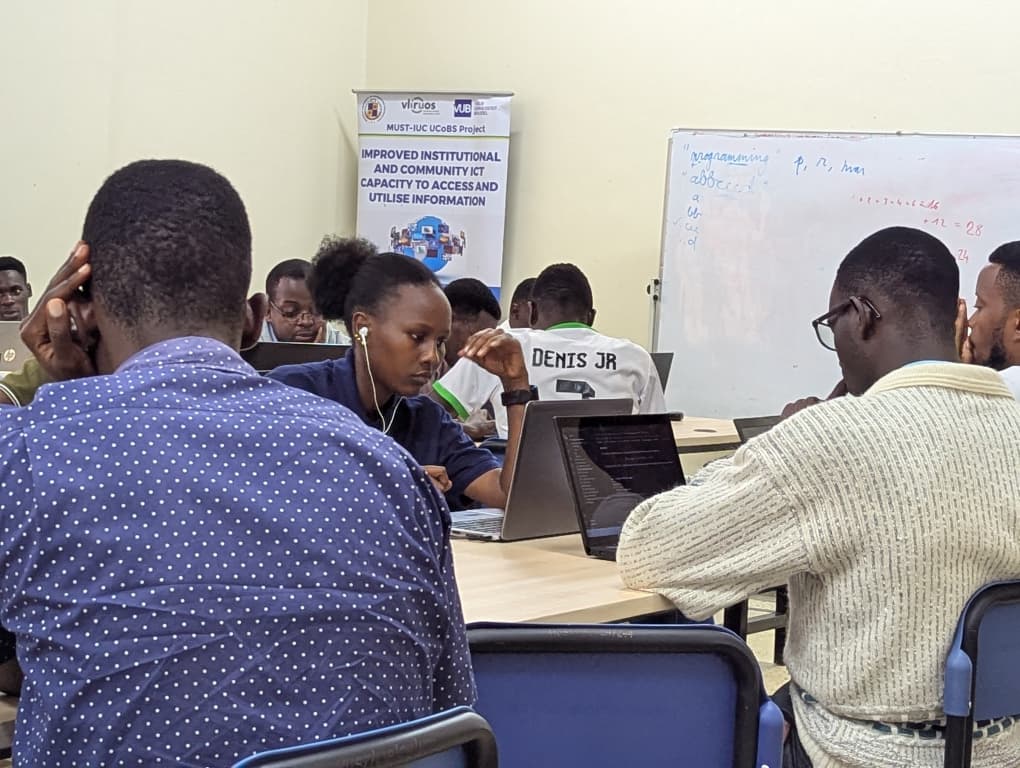 Participants also engaged with modern development tools, including Jupyter Notebook and Google Colab, enabling them to write, execute, and share code efficiently while gaining exposure to globally relevant research practices. The training recorded high levels of satisfaction, with 95% of participants rating it as excellent or good, and 94% confirming that their expectations were met. The interactive teaching approach and practical sessions were widely praised.
“This training has completely changed how I view programming. I now feel confident applying Python to analyze data for my research,” said one postgraduate participant.
“The hands-on sessions made everything easier to understand. I especially appreciated learning how to use tools like Google Colab without needing complex installations,” noted an undergraduate student.
“The instructors were very engaging and supportive. This was one of the most practical and impactful trainings I have attended at MUST,” added another participant.
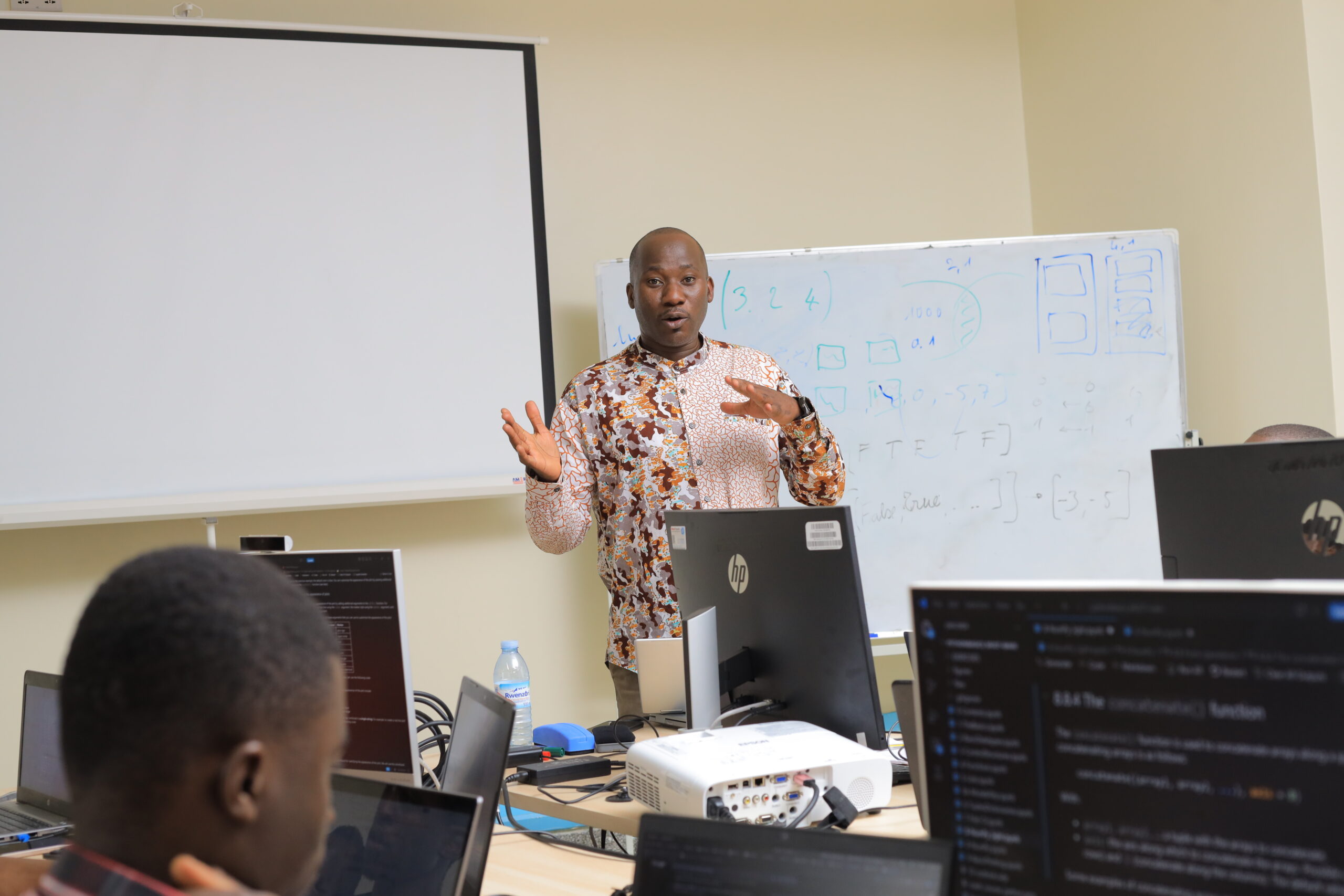
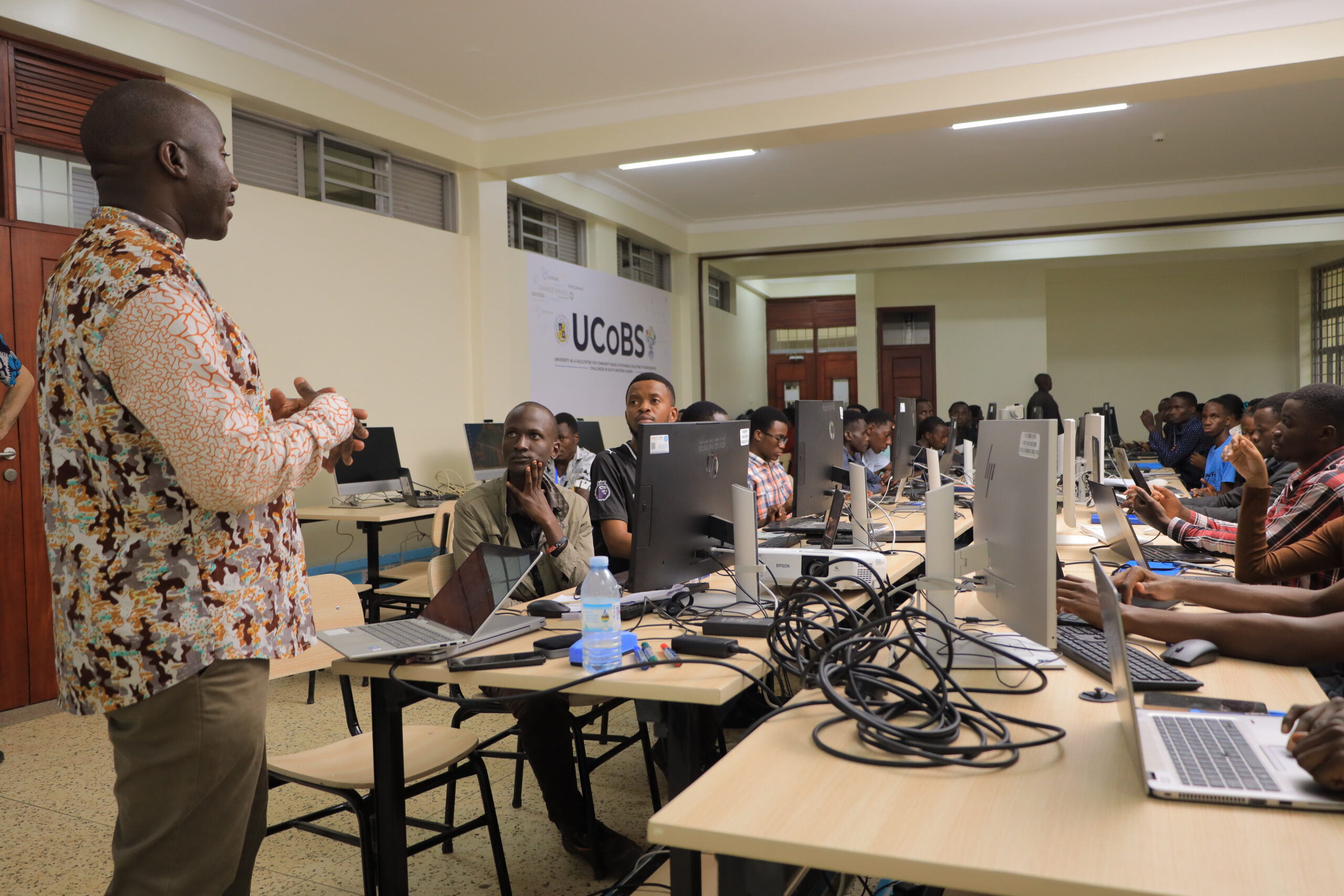
Dr. Fred Kaggwa giving his final remarks during the training
Speaking during the closing session, Dr. Fred Kaggwa commended the instructors and organizing team for their commitment to building capacity and strengthening international collaboration. He emphasized the importance of programming as a foundational skill for research and innovation, encouraging participants to continue advancing their knowledge.
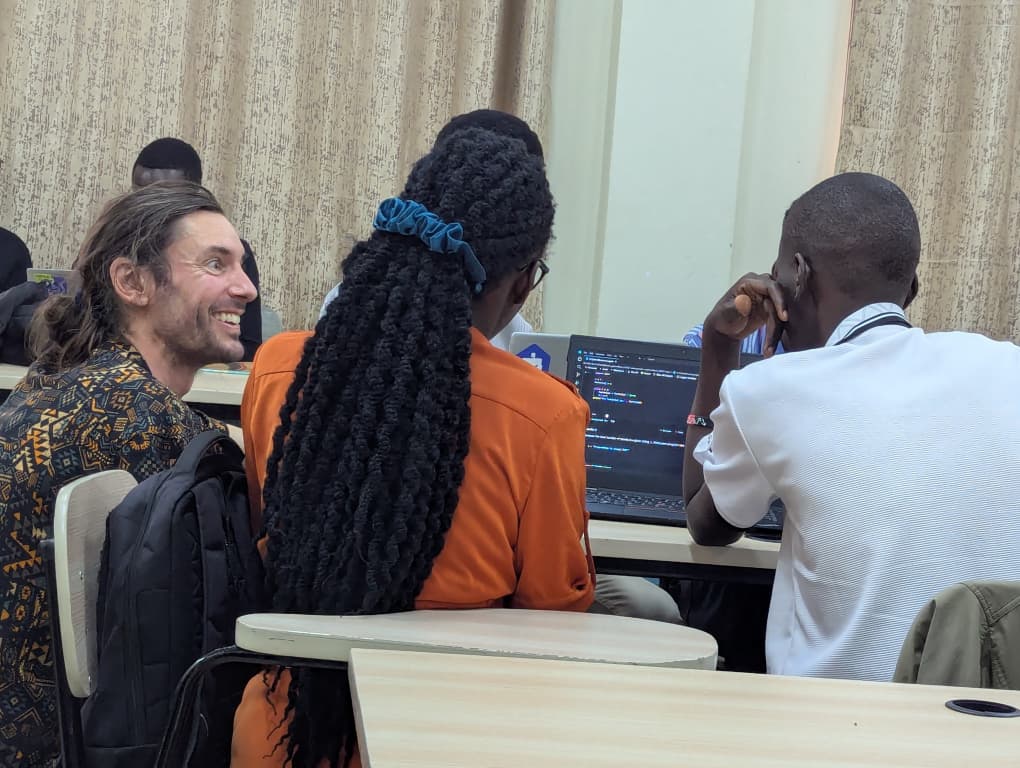
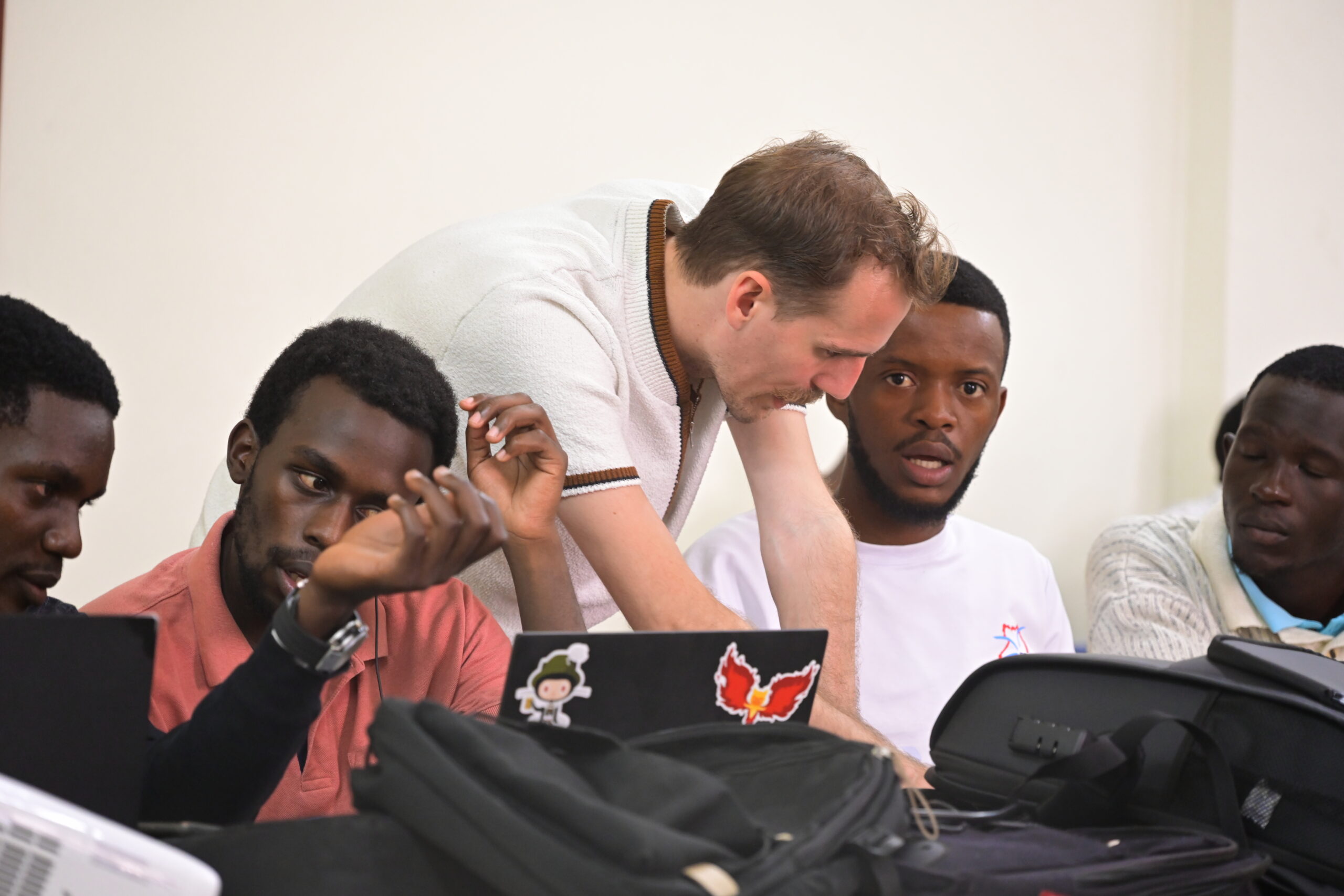
Left, right: Joris and Thomas during the training session with students
This initiative represents a significant milestone in MUST’s efforts to strengthen ICT capacity and research readiness. By equipping students and researchers with essential programming skills, the university continues to foster innovation and position itself as a hub for data-driven solutions and global academic engagement.
 Appreciation to international partners, VLIRUOS, Ghent University, Mbarara University of Science and Technology, Faculty of Computing and Informatics, the MUST IUC-UCoBS project, and Vrije Universiteit Brussel for the continued support.
Succeed We Must!