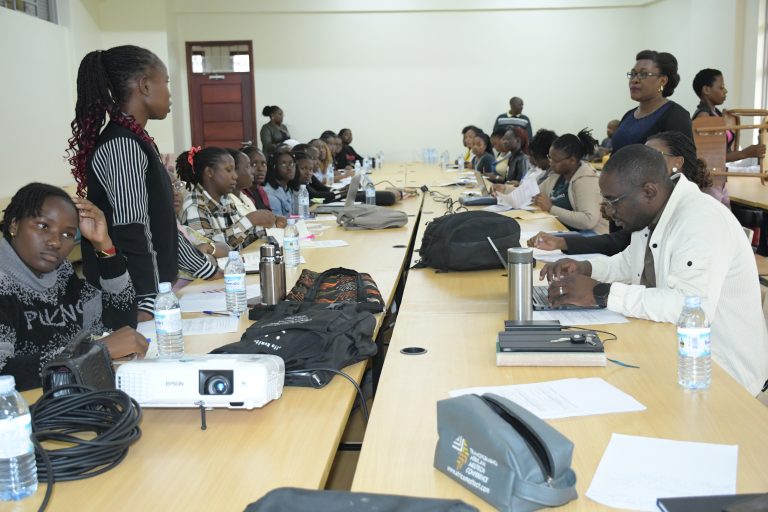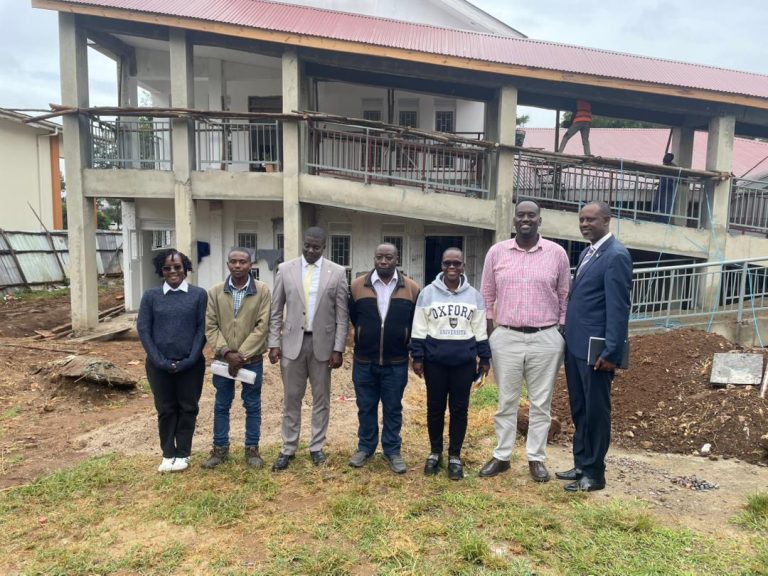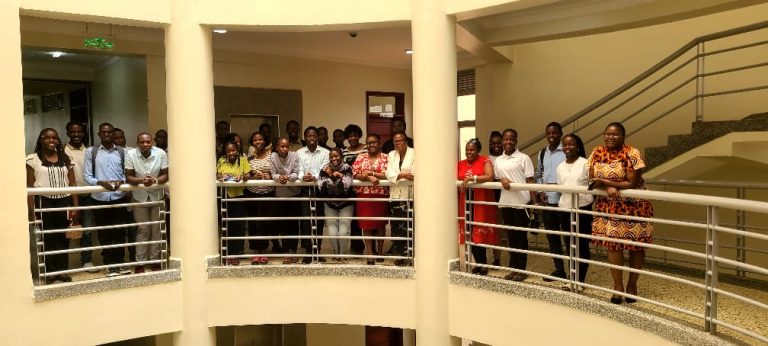
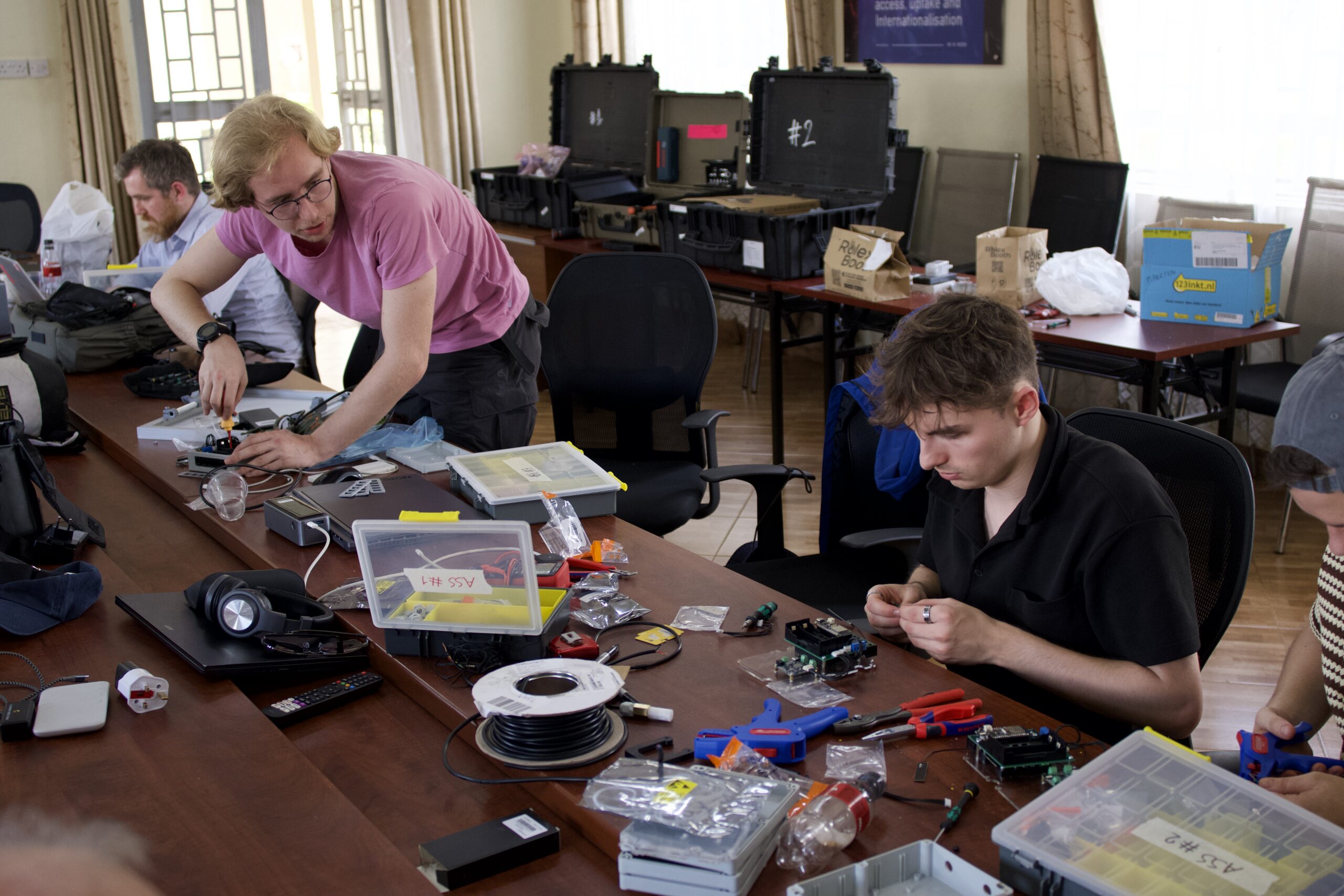
The MUST IUC-UCoBS Subproject 2 at Mbarara University of Science and Technology is hosting a distinguished team of professors and students from AP Hogeschool Antwerpen. The visiting delegation, led by Prof. Maarten Luyts and Prof. Jeroen De Vos, arrived on 30th March and is scheduled to depart on 30th April, marking a month-long engagement focused on collaborative research and technical innovation.
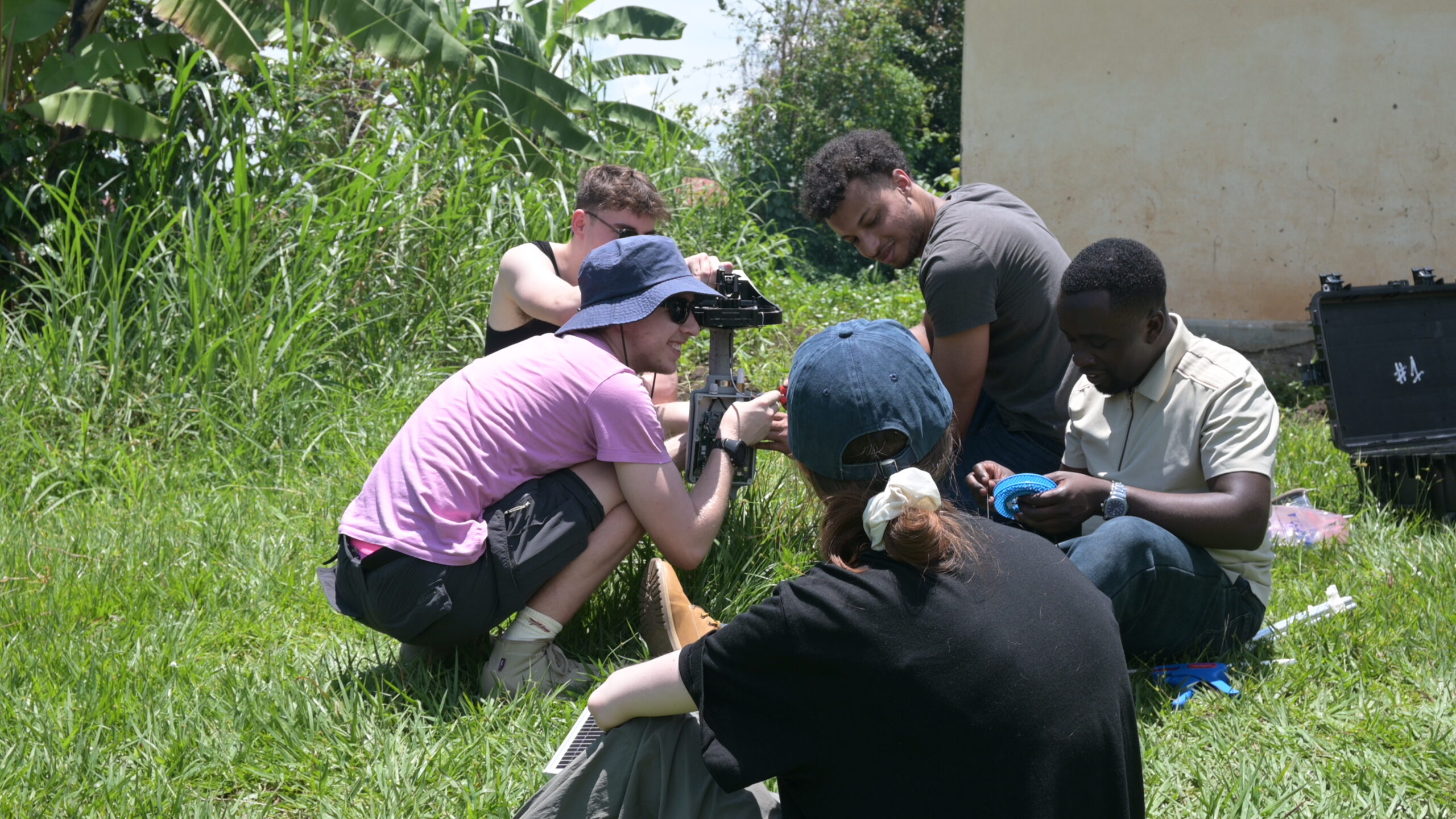
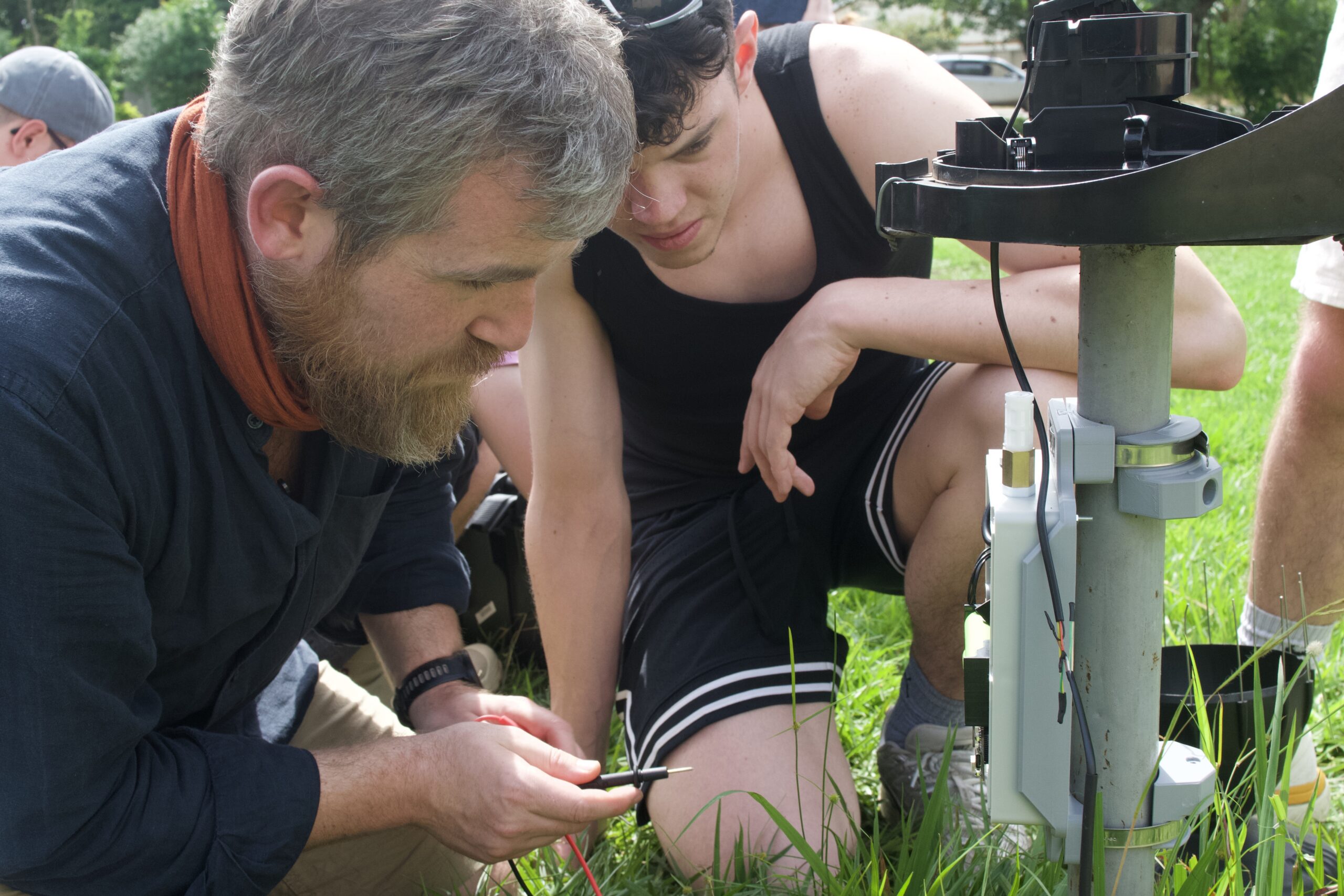
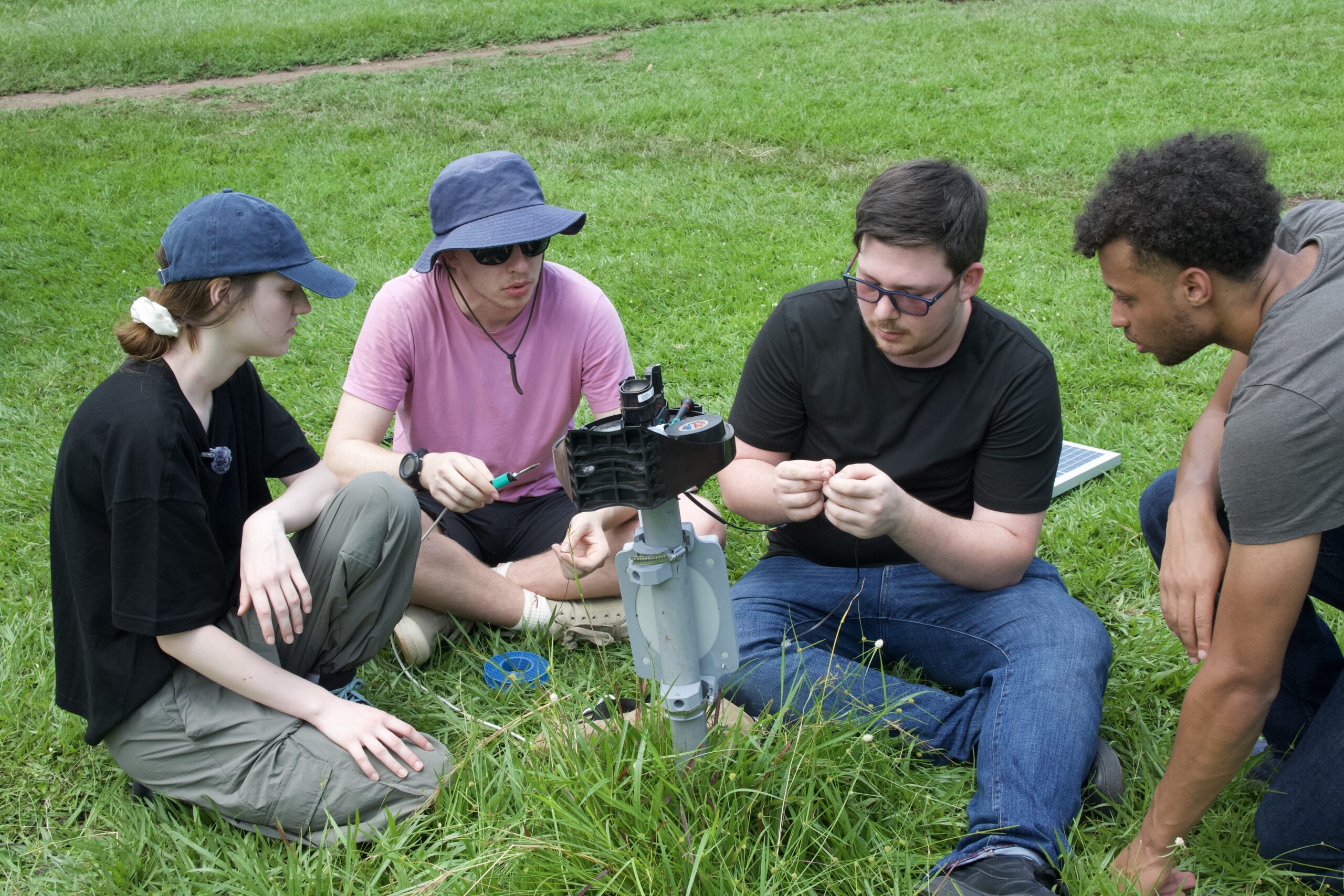 We’re focusing on digitalizing meteorological stations in four districts in southwestern Uganda: Mbarara, Rubanda, Rubirizi, and Isingiro. These stations, established under the MUST-IUC UCoBS initiative, have been instrumental in collecting weather data; however, the transition to digital systems is a critical upgrade that will enhance their functionality and impact.
The ongoing digitalization process is designed to enable real-time, remote access to meteorological data.
This shift significantly improves both the accuracy and spatial coverage of climate data collection, addressing long-standing limitations associated with manual data retrieval. By enhancing data reliability and accessibility, the initiative provides a robust foundation for student training, academic research, and evidence-based decision-making.
Beyond academia, the implications extend to national-level systems. The improved data streams will contribute to Uganda’s broader meteorological infrastructure, supporting climate monitoring, early warning systems, and agricultural planning. In a region where livelihoods are closely tied to climate variability, such advancements are both timely and essential.
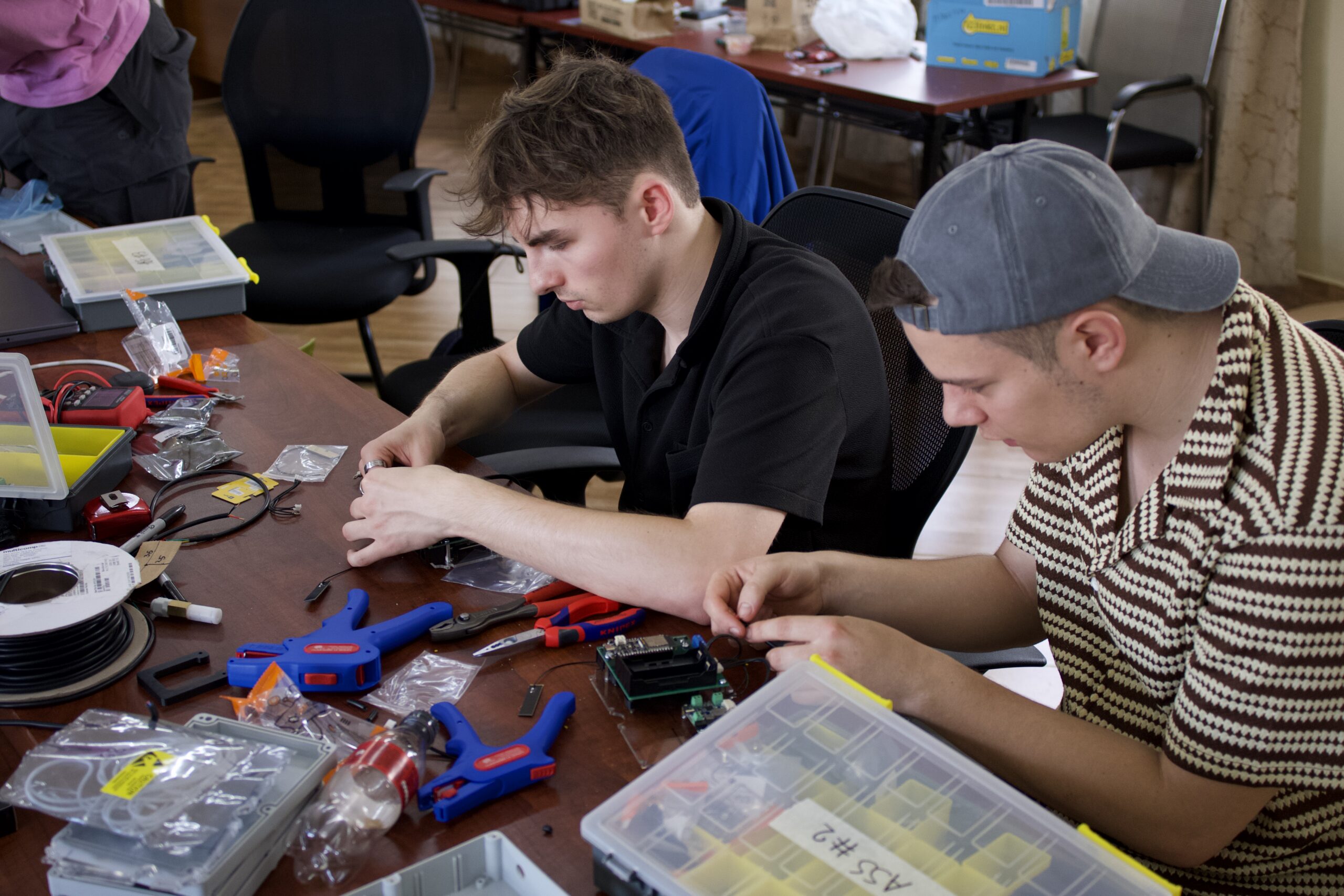 This collaboration reflects a shared commitment to building data-driven solutions that respond to real-world challenges.
By integrating technological innovation with local knowledge and institutional partnerships, MUST and its collaborators are contributing to a more resilient and informed approach to climate adaptation and sustainable development.
As the project progresses, the outcomes are expected to further strengthen research capacity, enhance student engagement, and deepen international partnerships. The success of this initiative underscores the value of collaborative science in addressing complex environmental challenges and shaping a data-informed future.