From 1st to 7th February 2026, Mbarara University of Science and Technology (MUST) hosted a 24-member Flemish delegation from Belgium under the institutional university cooperation project titled “University as a facilitator for community-based sustainable solutions to demographic challenges in southwestern Uganda (UCoBS).” The delegate included 10 students, and 3 of them were faculty from HOWEST University of Applied Sciences who came to participate in a two-week boot camp with MUST students.
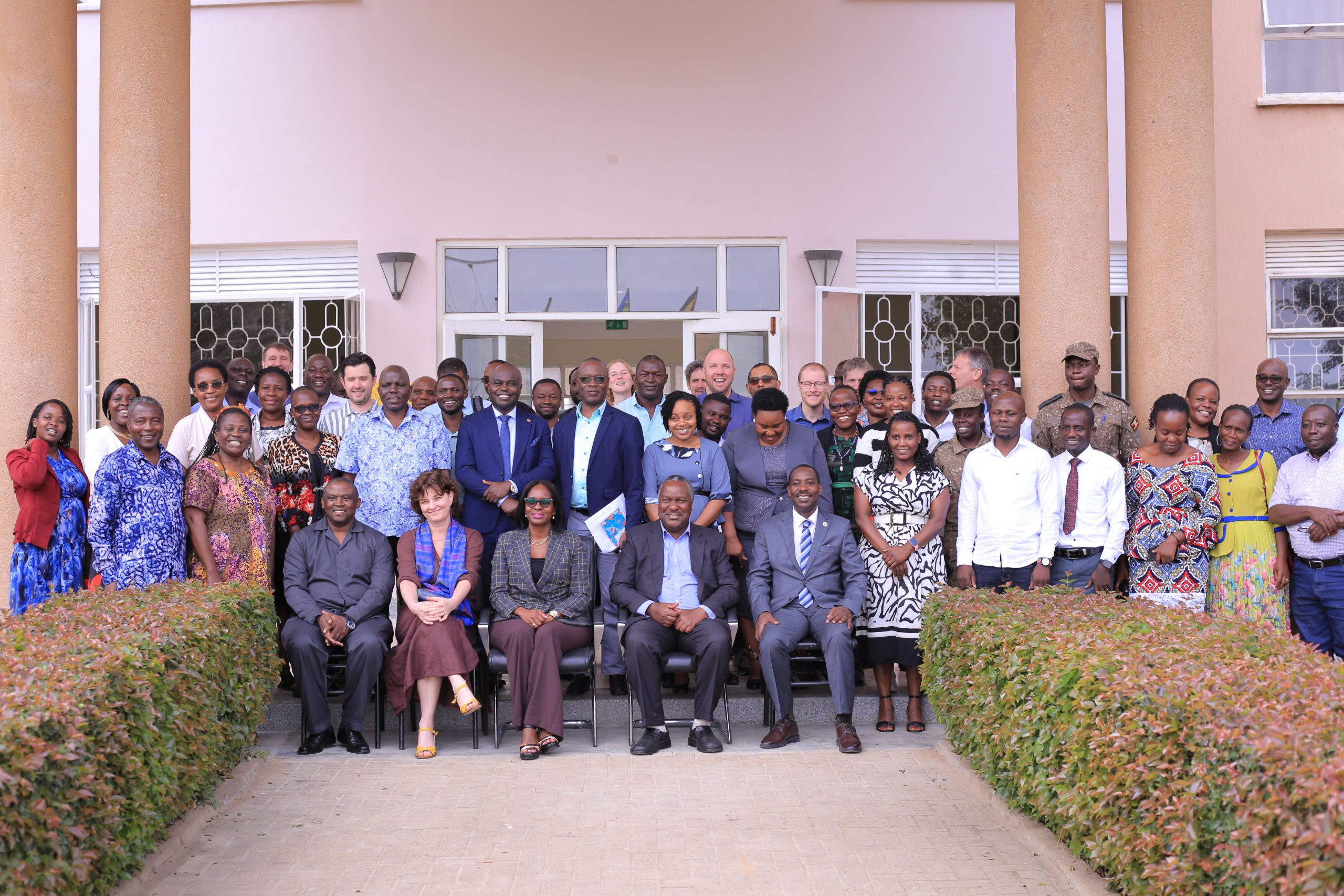
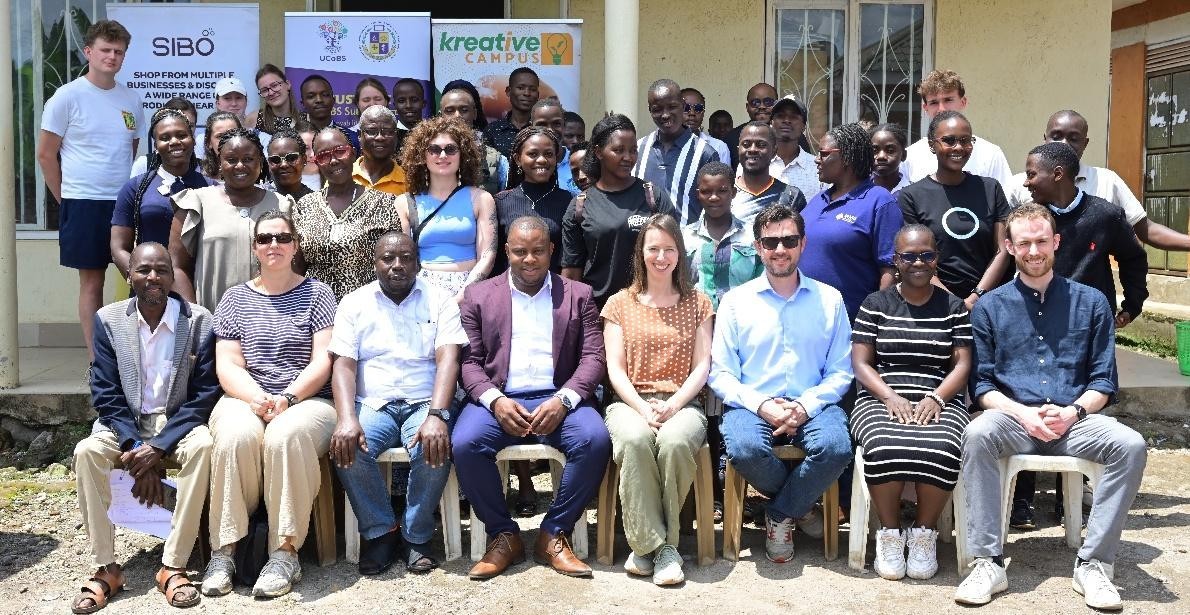
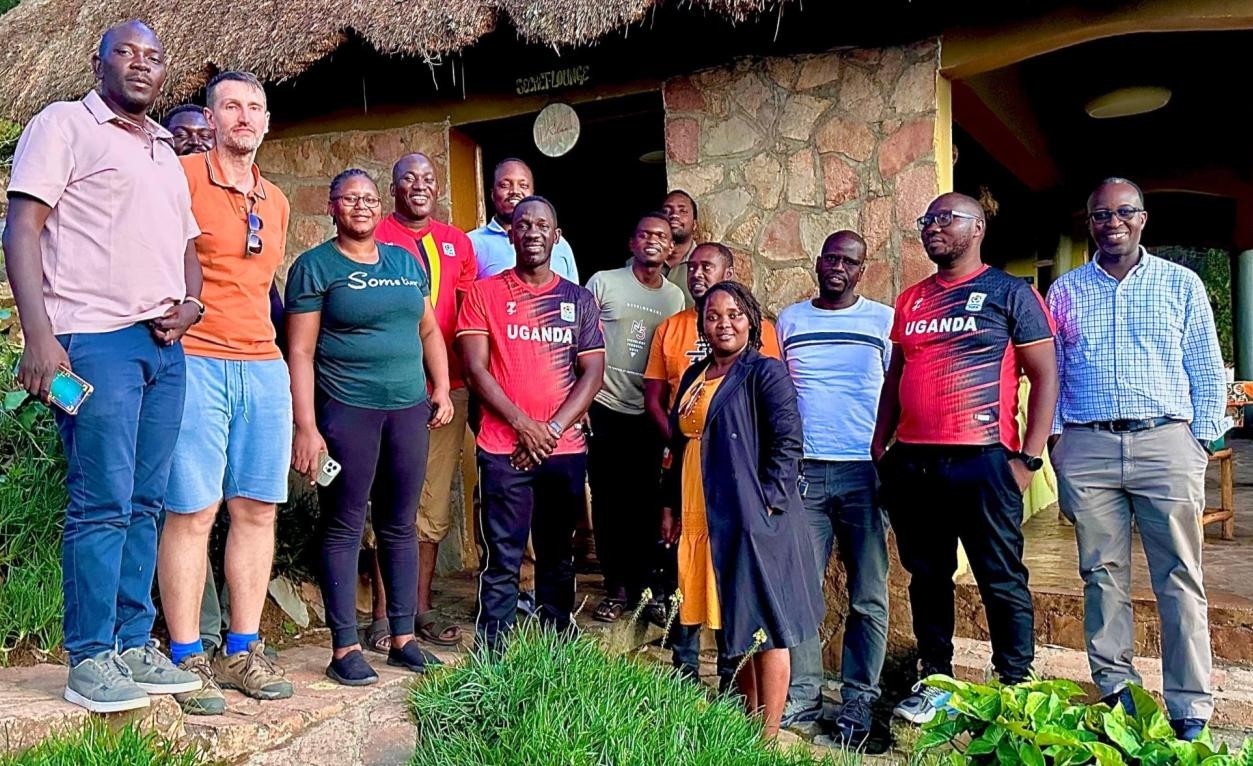
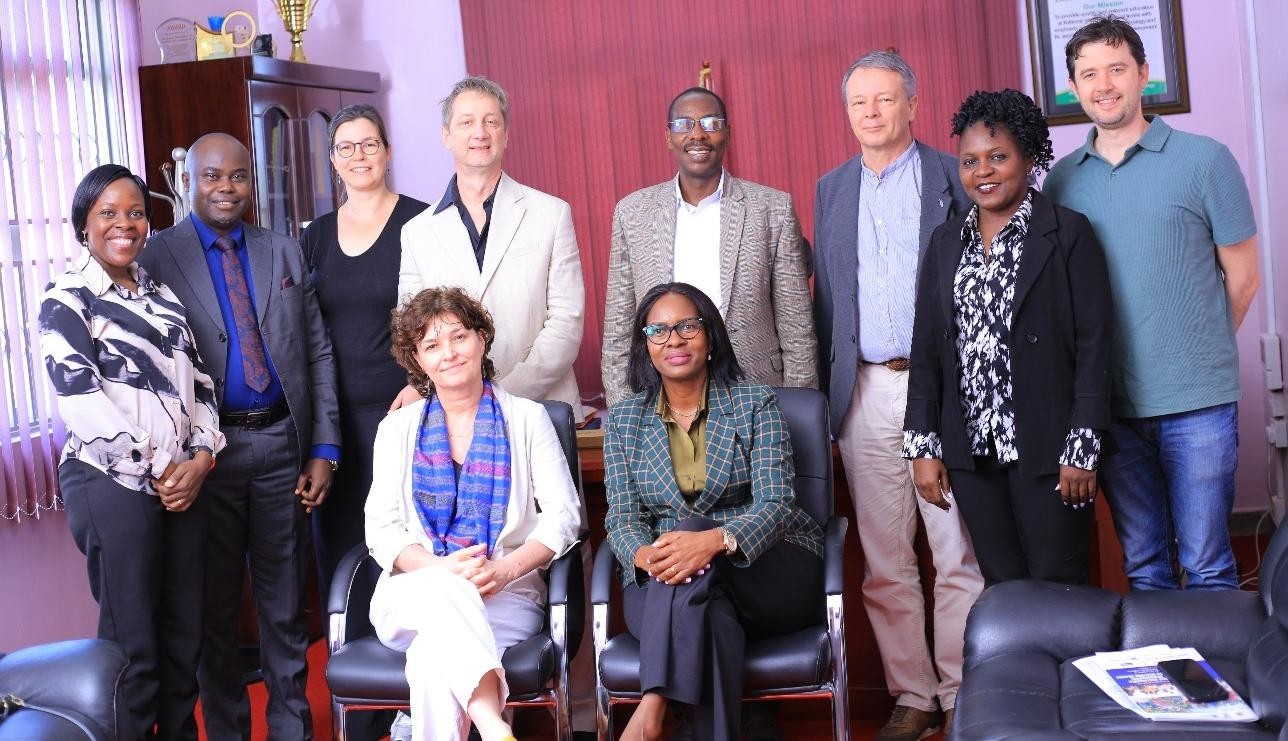
Above, a group photo of the Flemish visitors and stakeholders of the MUST IUC research initiatives; right, a group photo at COVOID offices during Entrepreneurship Level 2 bootcamp in Rubirizi
The delegation included representatives from Vrije Universiteit Brussel, Ghent University, HOWEST University of Applied Sciences, KU Leuven, and the University of Antwerp. The visit aimed to review project progress, strengthen partnerships, and prepare for the transition of the ten-year UCoBS program into its next phase.
The UCoBS project, launched in 2022, focuses on addressing demographic challenges affecting vulnerable populations in South-Western Uganda through research and innovation in conservation, climate-smart agriculture, renewable energy, sexual and reproductive health, youth entrepreneurship, and ICT.
Strategic Engagement with University Leadership
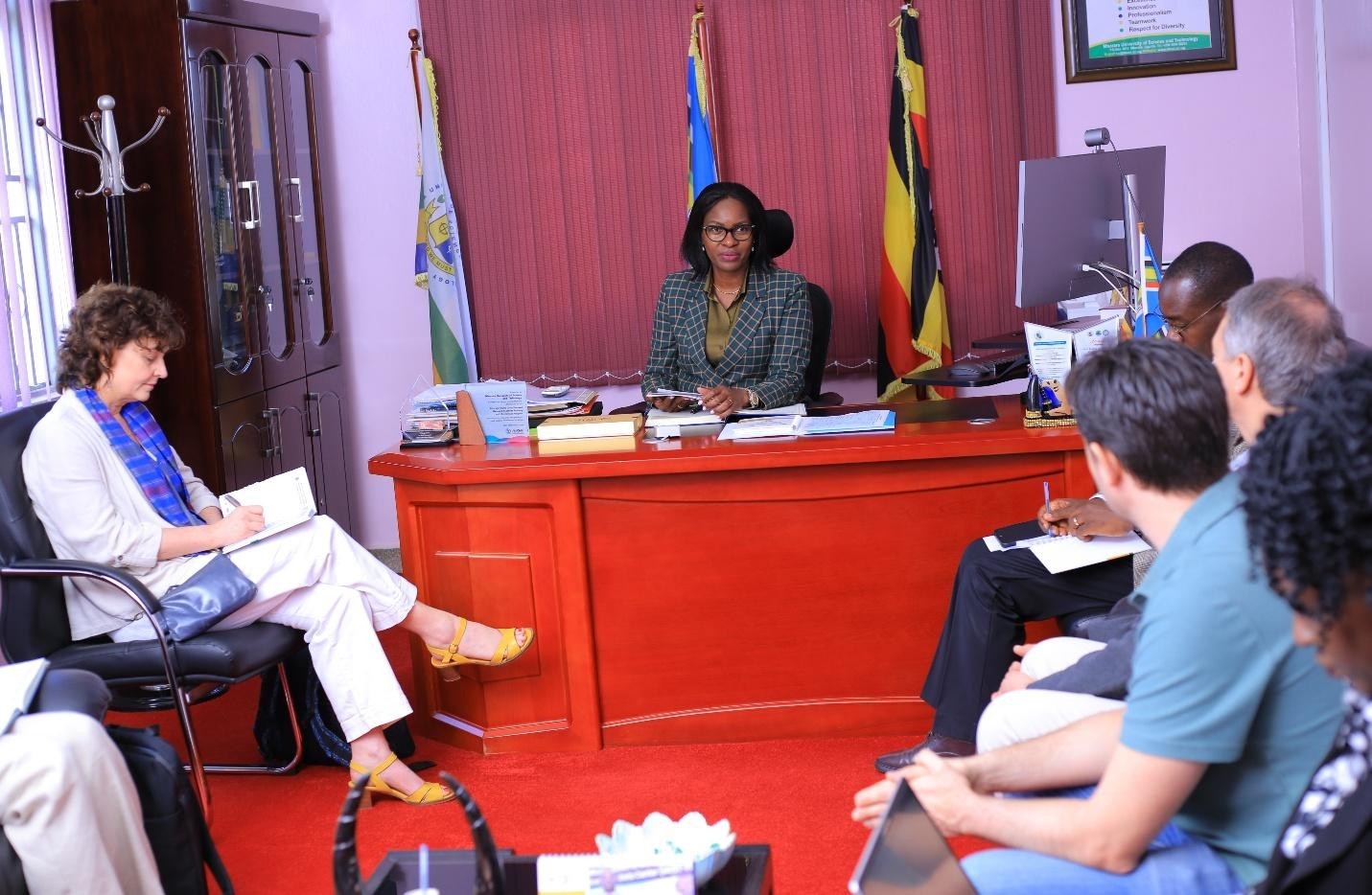
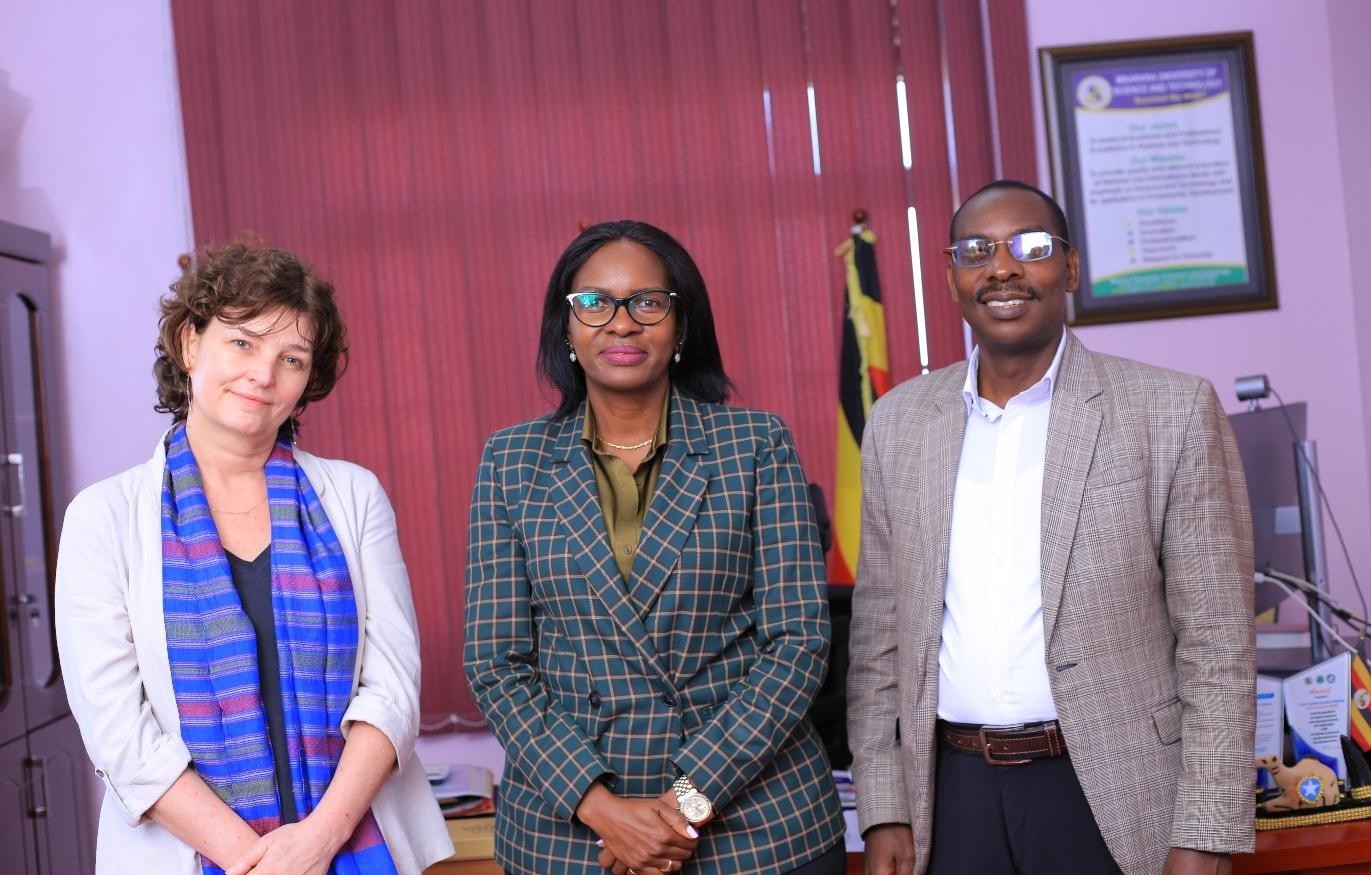
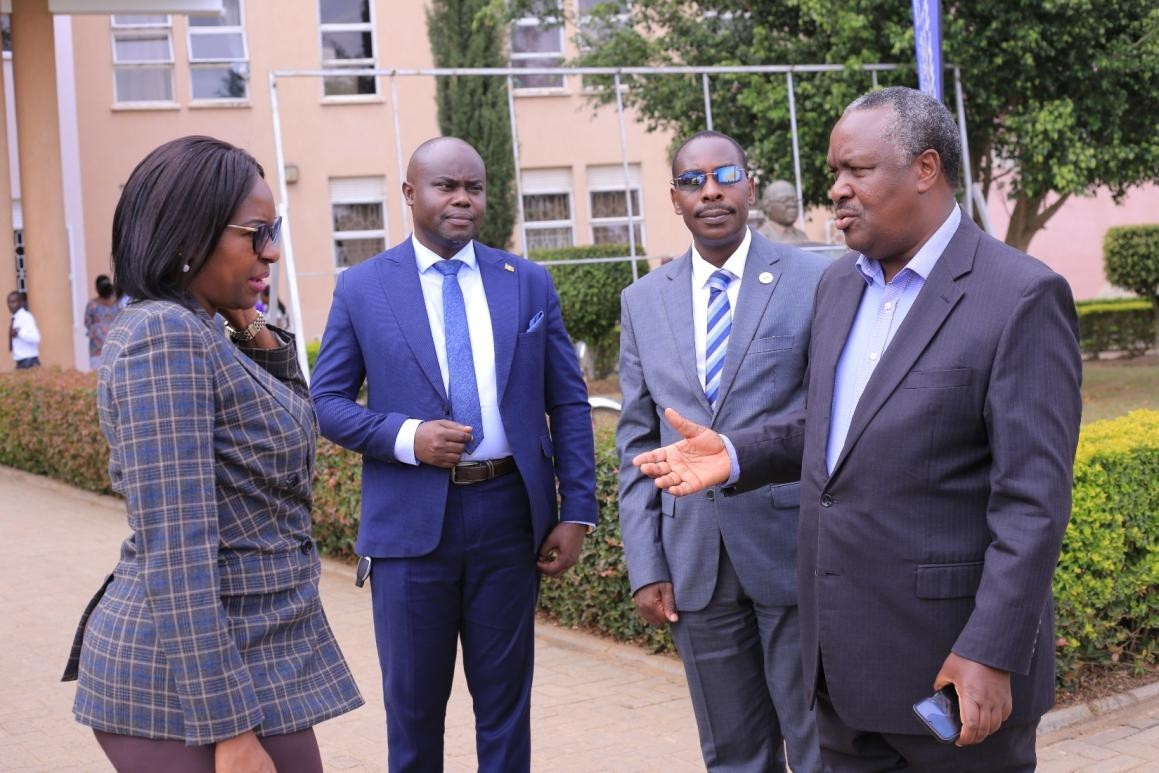
Above, Representatives of the Flemish delegate paying a visit to the MUST Vice chancellor at her office, the Local and Flemish team representatives during the courtesy visit to the VC’s office
The visit began with a courtesy meeting between representatives of the Flemish delegation and the MUST vice chancellor, Pauline Byakika Kibwika. Discussions focused on strengthening institutional collaboration, supporting the 14 PhD scholars under the joint scholarship program, and preparing for the transition of the project into Phase II.
The Vice Chancellor reaffirmed MUST’s commitment to strengthening the quality and impact of research and highlighted the university’s ongoing transition toward competence-based education. She also appreciated the Flemish partners, particularly HOWEST, for supporting the development of the MUST Entrepreneurship Center, which will enhance practical skills training and innovation among students.
Project Review and Academic Exchange
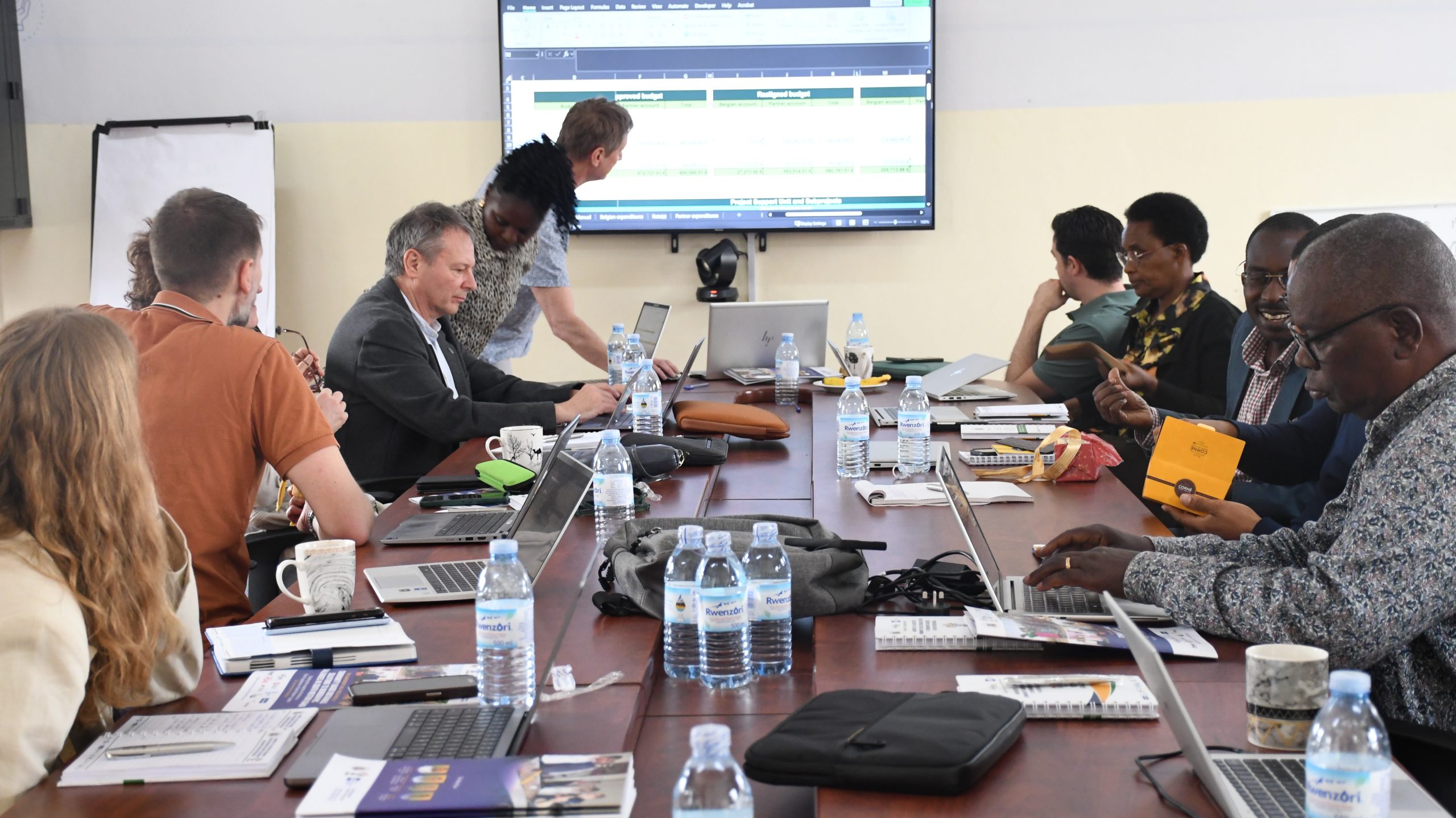
During their stay, the Flemish delegation participated in a series of meetings involving project leaders, university management, and research teams. These discussions provided an opportunity to review progress across the project’s six sub-projects and to identify lessons and opportunities for strengthening collaboration in the next phase of implementation. Some delegates stayed for 7 days; others stayed for 2 weeks.
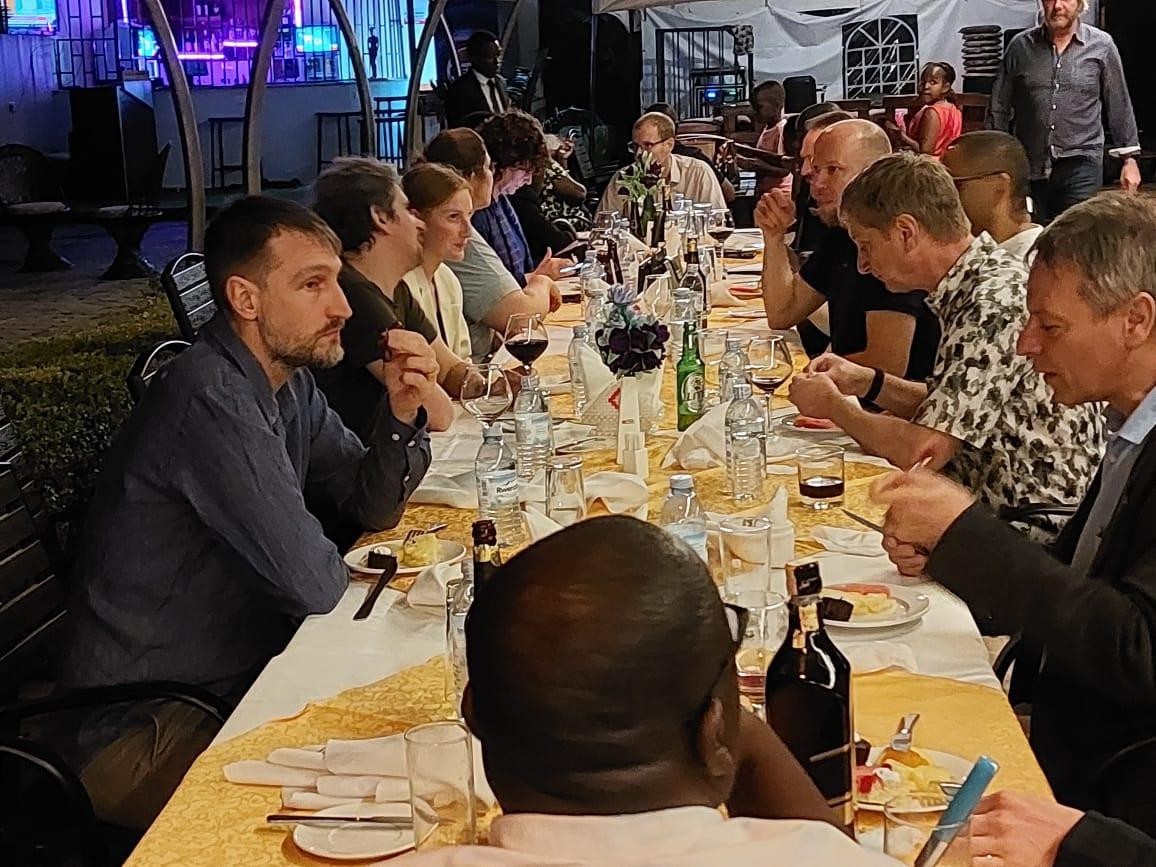
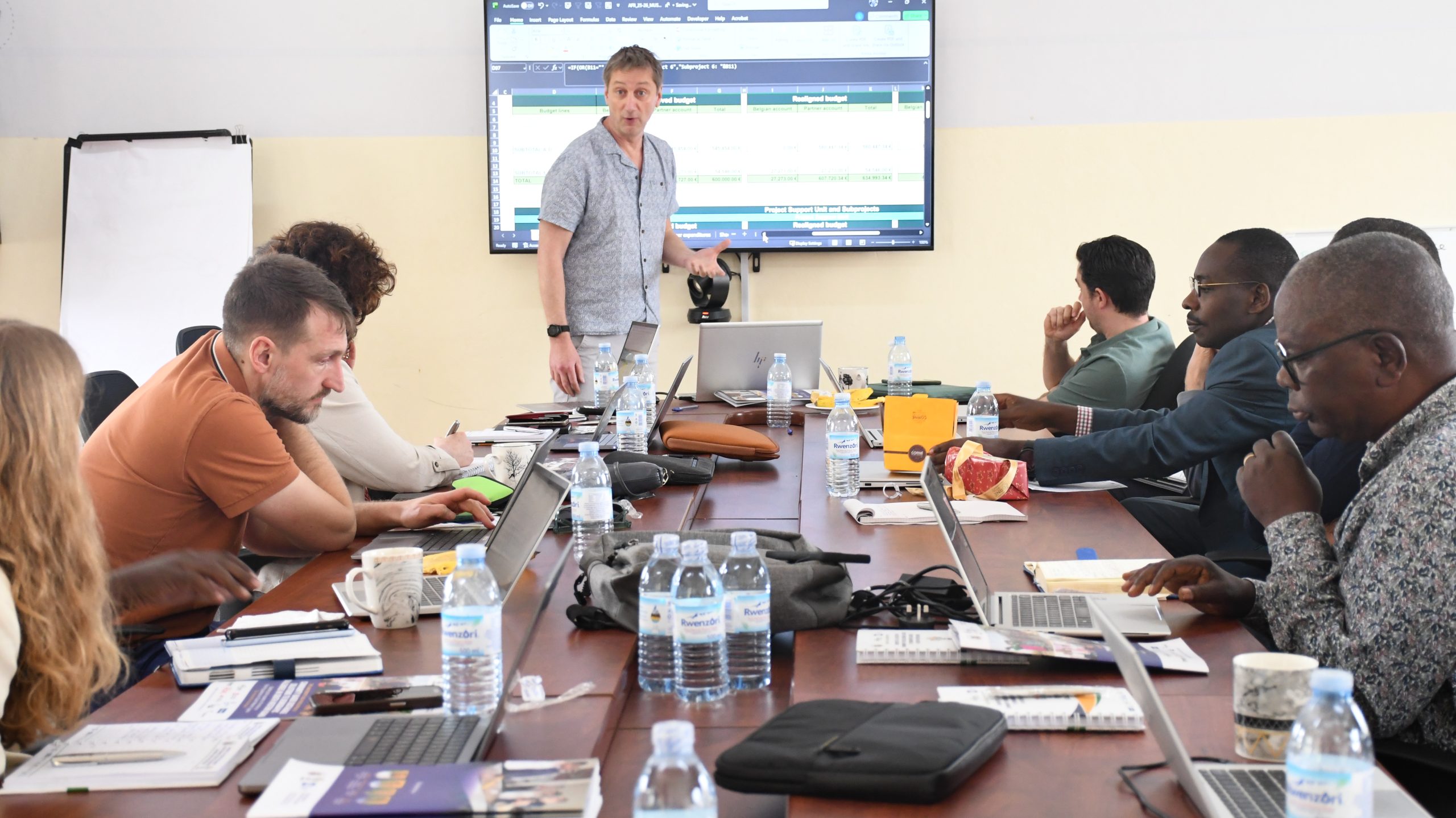
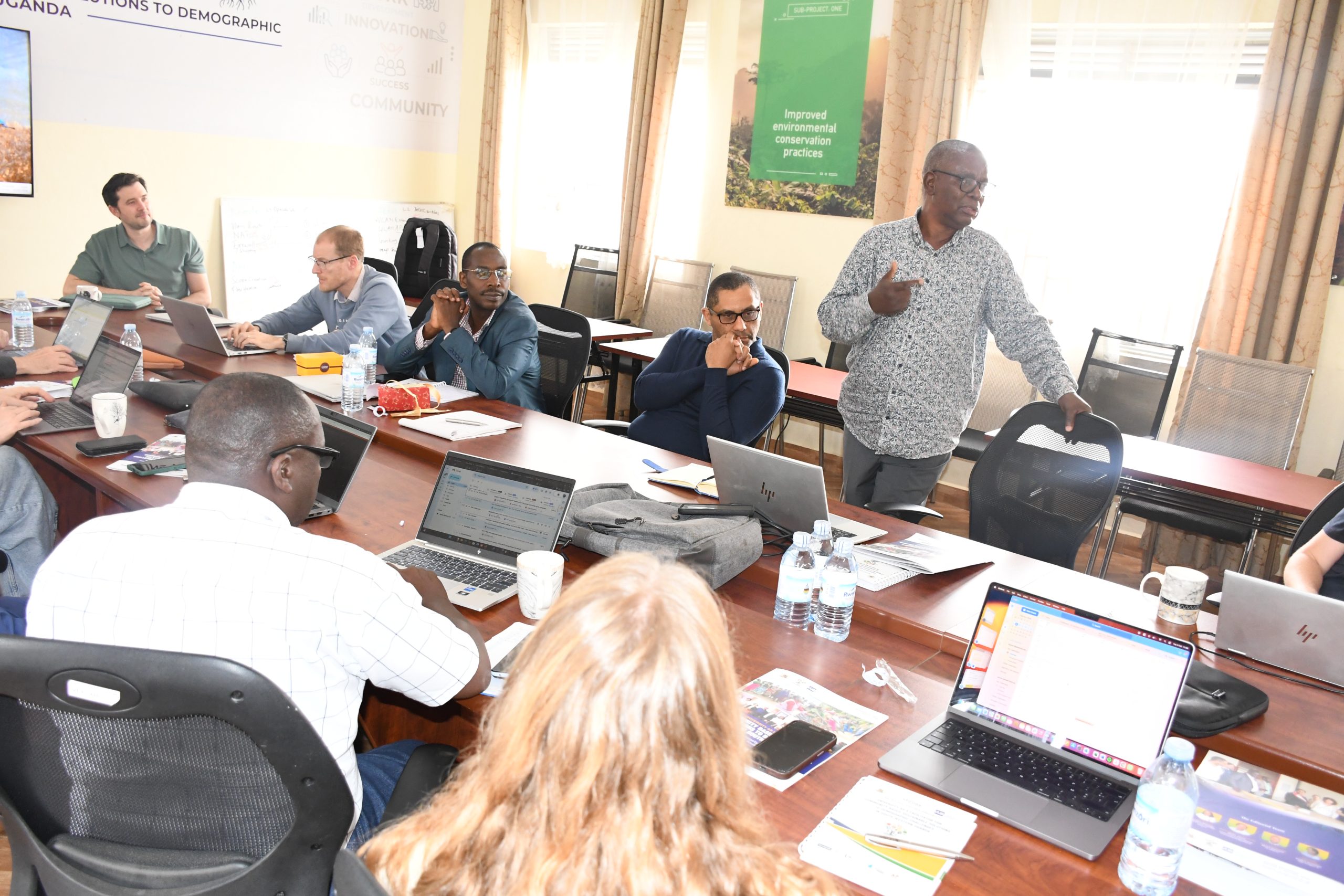
Left, right; Welcome dinner hosted at Las Vegas Hotel in Mbarara,the different meetings attended
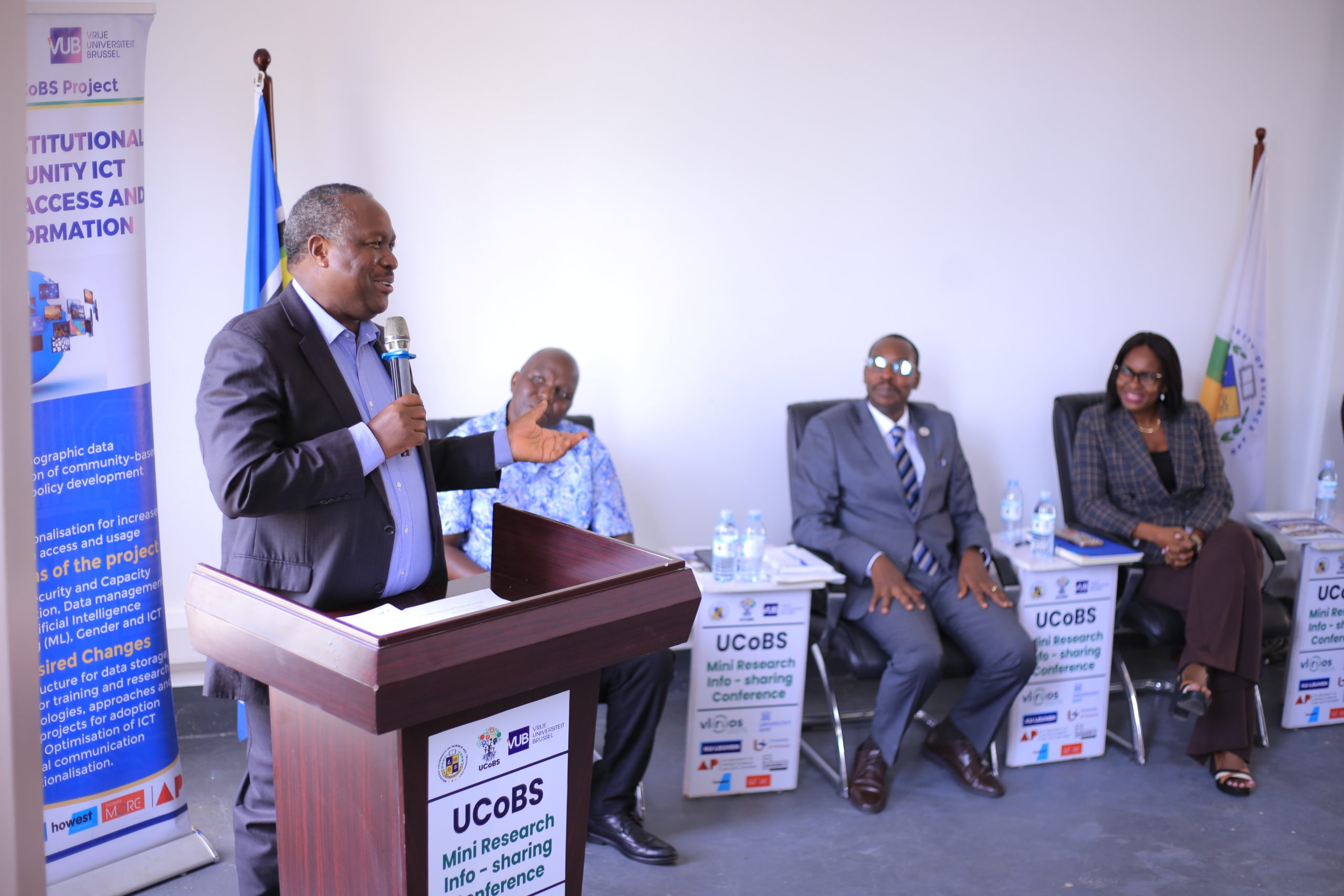
A key highlight of the visit was the mini research information-sharing conference held on 5th February 2026, which brought together scholars, supervisors, and stakeholders to share research progress and findings.
During the mini-research conference, the Vice Chancellor of MUST, Prof. Pauline Byakika Kibwika, applauded the Belgian government and Flemish partners for their strong institutional partnership, noting that it has contributed to institutional growth through research, capacity building, and infrastructure development. She called for continued progress and broader partnerships to sustain and expand the impact.
In her remarks, the vice chancellor applauded the Belgian government and Flemish partners for their continued support, noting that the partnership has contributed significantly to institutional growth through research, infrastructure development, and capacity building.
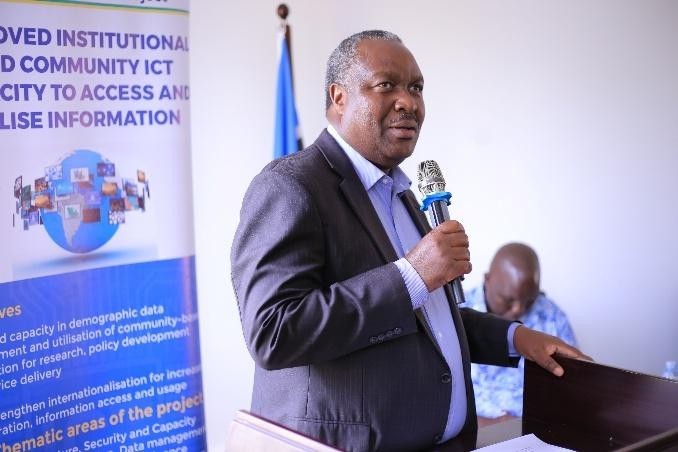
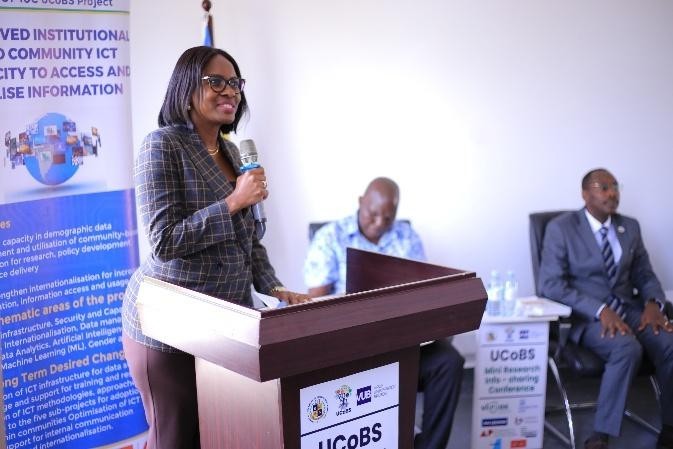
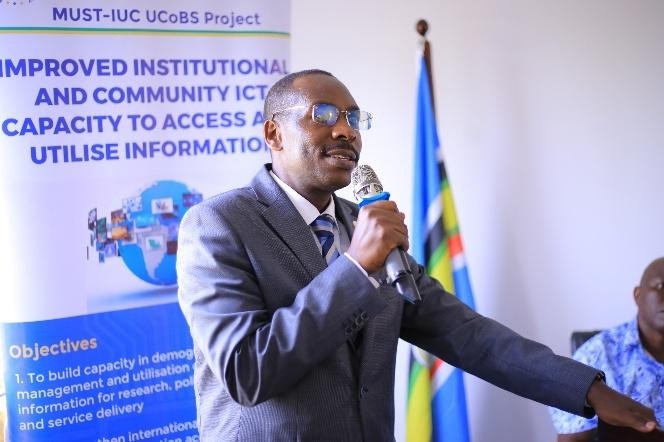
Different photos for presentations from the different leaders, Mr. Elioda Tumwesigye, the Vice Chancellor, MUST, Prof. Pauline Byakika Kibwika , the Flemish Coordinator , Prof. Gilly Coen and Dr. Medard Twinamatsiko the local coordinator
The Flemish Coordinator, Prof. Gily, expressed deep appreciation for the project team’s dedication and progress, thanking the leadership of MUST for their cooperation and partnership. She emphasized that the collaboration has created a great team of scholars, institutions, and communities working together for impact. The Local Coordinator, Dr. Medard Twinamatsiko, welcomed all participants and extended gratitude to the Flemish team for their continued support. He acknowledged the contributions of sub-project team leaders, project assistants, and team members, while also appreciating the communities where the project operates for their collaboration and cooperation.
The keynote speaker, Elioda Tumwesigye, emphasized the need for universities to work closely with communities when addressing development challenges.
“Success should not only be measured by publications and graduations, but by lives improved, communities strengthened, and futures secured,” he noted.
The conference featured presentations from 14 PhD scholars, one master’s student, and several micro-research projects, covering themes such as innovation and ICT, reproductive health and gender, and climate change, energy, and food security.
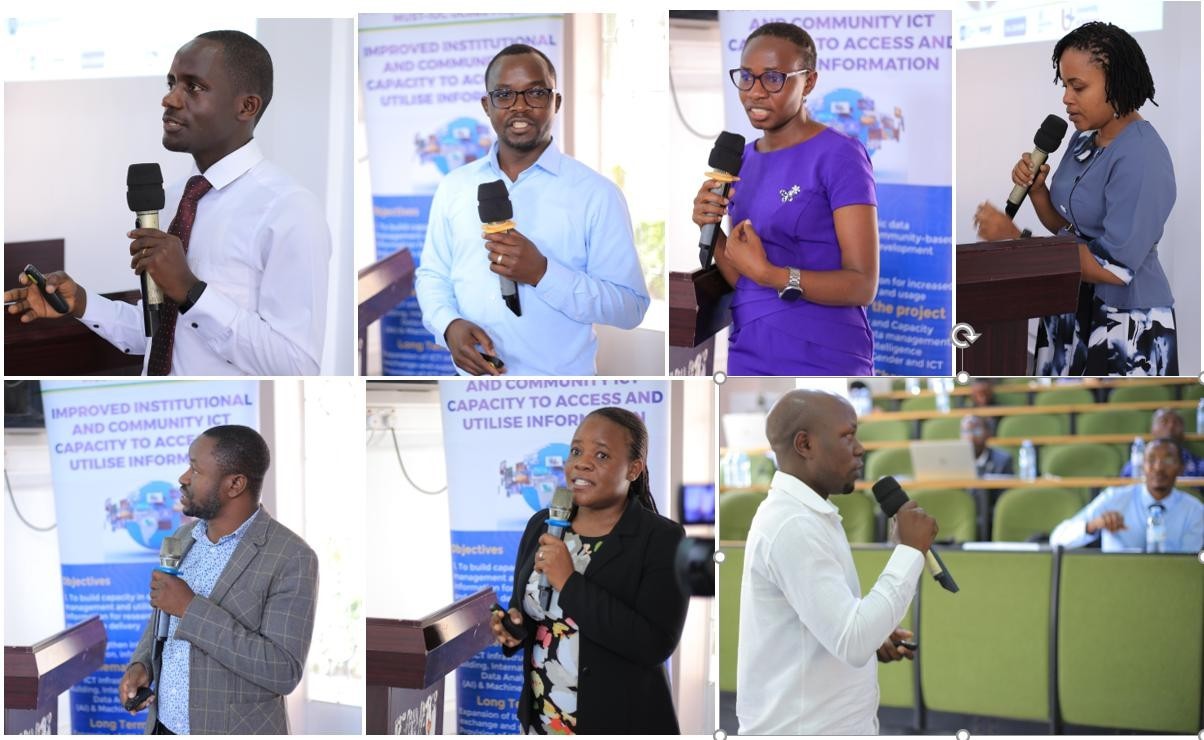
The 20 presentations were made including 14 PhD scholars, 1 masters scholar and 4 micro research presenters and 1 presentation about ICT initiatives at MUST supported by UCoBS (Refer to Annex1 for details). These presentations were made under the following themes:
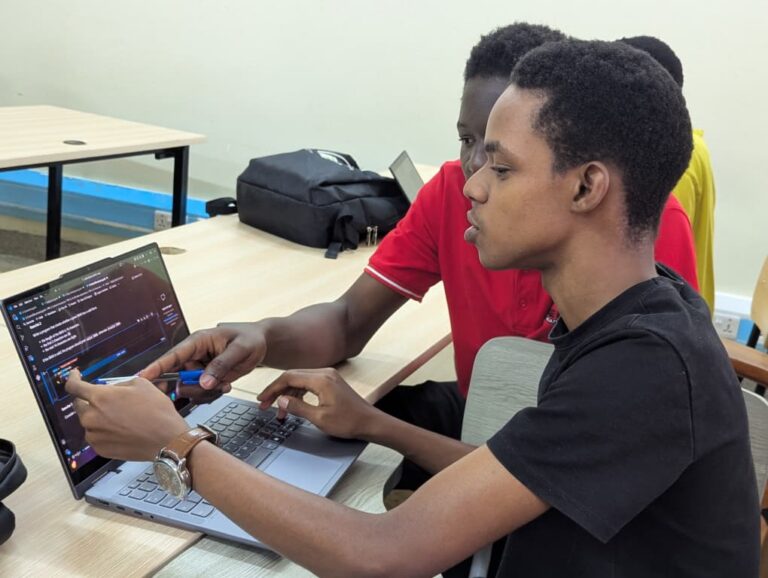
- The Innovation, Technology, and ICT theme explored improved ICT access, entrepreneurship education, and graduate employability.
- The Sexual Reproductive Health, Rights, and Gender theme addressed maternal and newborn care, fertility preferences, contraceptive uptake, and stigma
- The Environment, Climate Change, Energy, and Food Security theme covered conservation trade-offs, wetland dynamics, food security under climate variability, renewable energy adoption, and sustainable cooking
Field Visits and Community Engagement
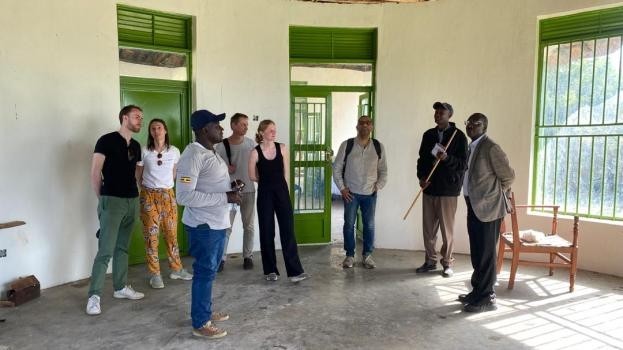
Several field visits were conducted to showcase the impact of the project within communities. One team visited the Nakivale Refugee Settlement to explore potential research collaborations and better understand the context for future research activities.
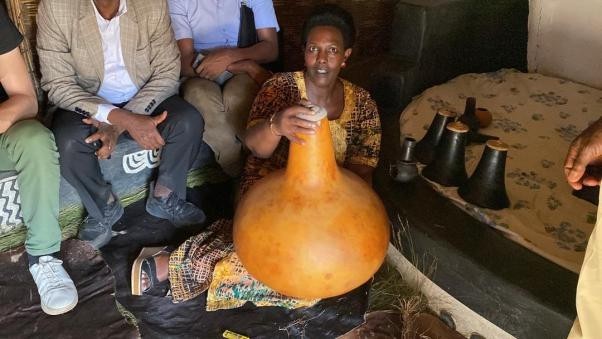
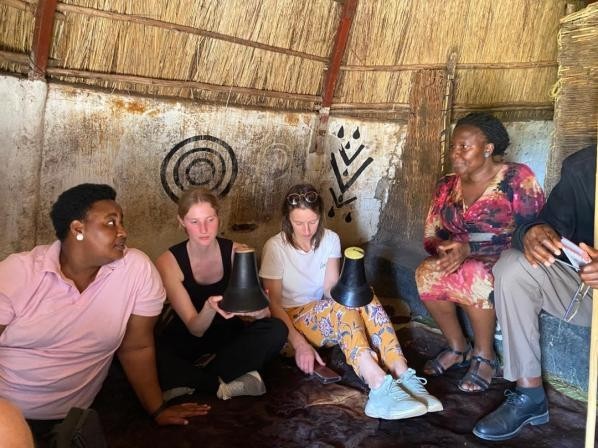
The delegation also visited Lake Mburo National Park, where they interacted with members of the Ankole Cow and Culture Conservation Association (ACCCA).
The visit highlighted ongoing efforts to preserve Ankole cultural heritage and develop cultural tourism centered around the iconic Ankole long-horned cattle.
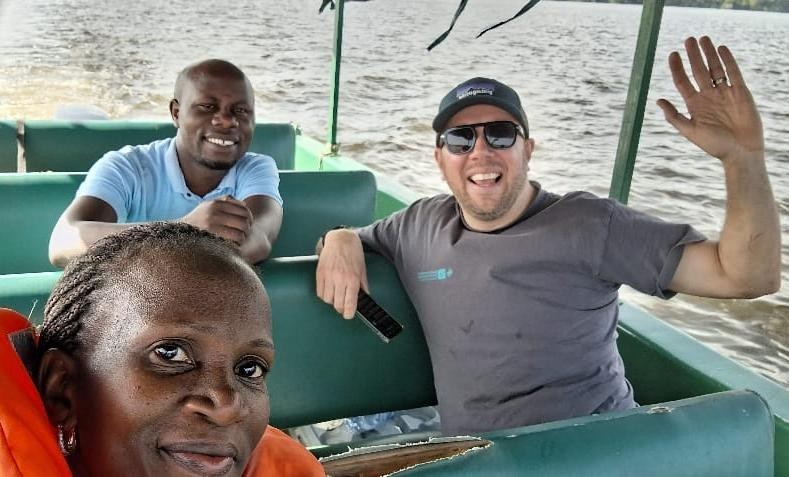
In addition, project researchers conducted environmental monitoring activities by collecting water samples from Lake Mburo and sections of the Rwizi River as part of ongoing ecosystem monitoring efforts.
Climate, Agriculture and Energy Innovations
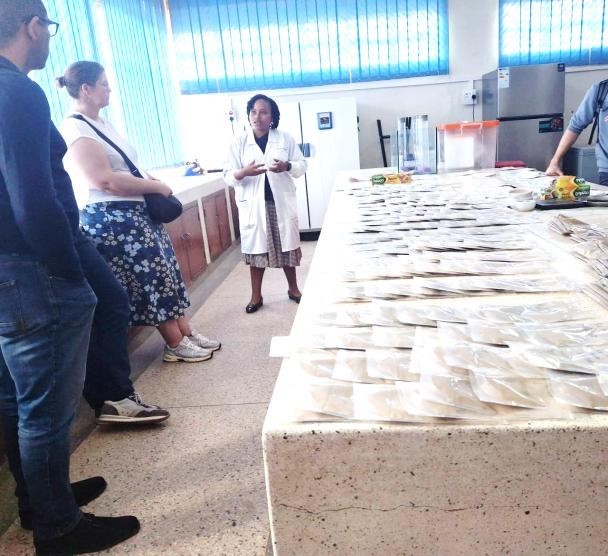
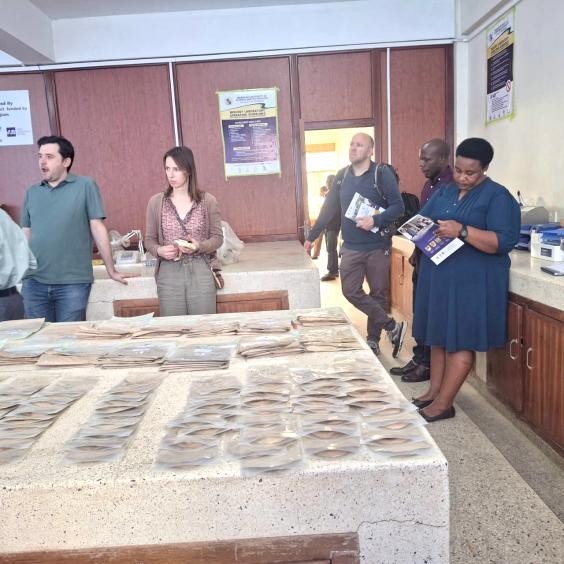 PhD Scholar Immaculate Nakazibwe explaining the experiments she has conducted on wild finger millet in the laboratory.
Under the climate and agriculture sub-project, the delegation visited the Soil and Water Analysis Laboratory at MUST, which was established with support from the VLIR-UOS UCoBS project.
The laboratory has strengthened the university’s capacity to conduct environmental and agricultural research, including soil fertility analysis, water quality testing, and ecosystem monitoring.
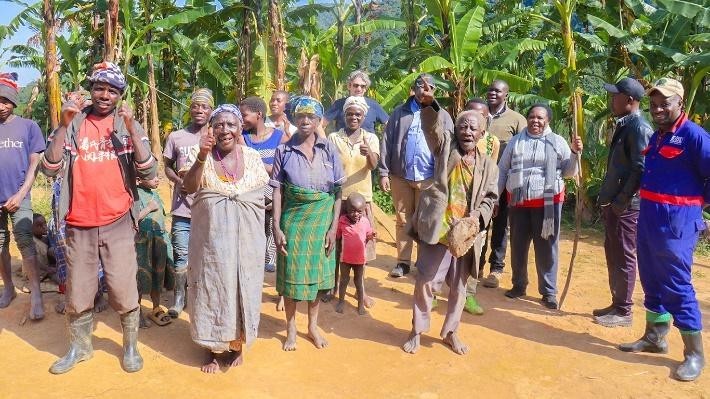
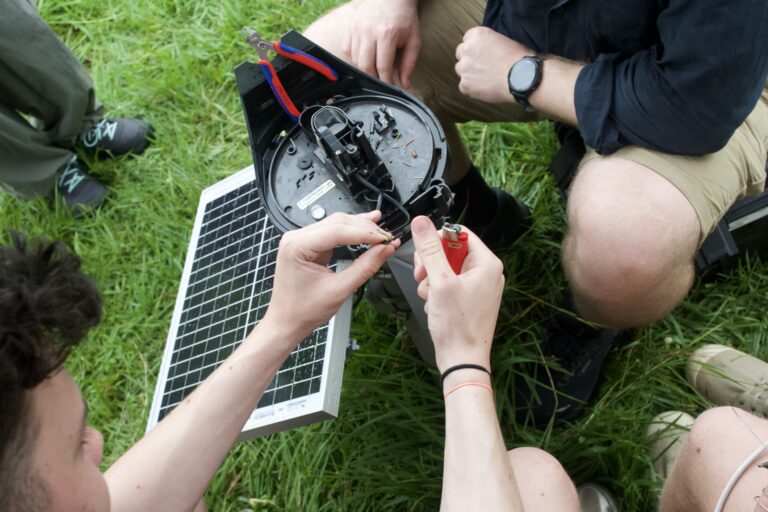
The renewable energy component of the project also conducted field visits to Kisoro District to assess solar systems installed in households within Batwa communities. Feedback from beneficiaries confirmed that the systems are functioning well and improving access to lighting and phone charging.
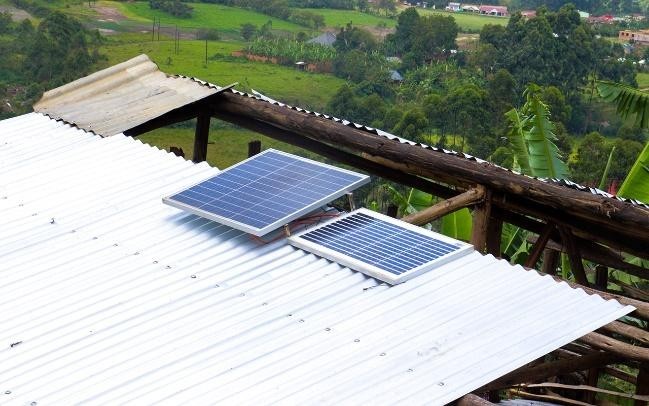
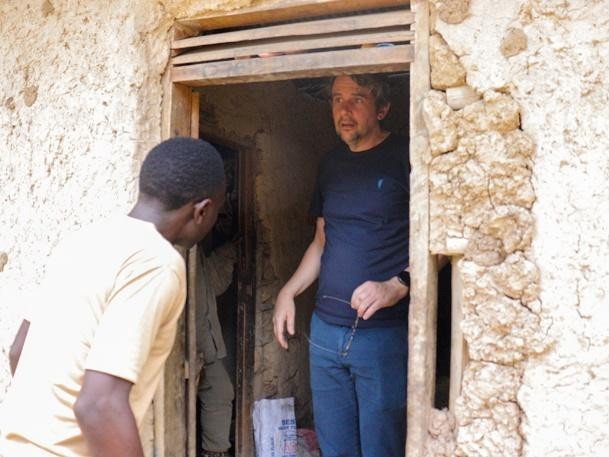
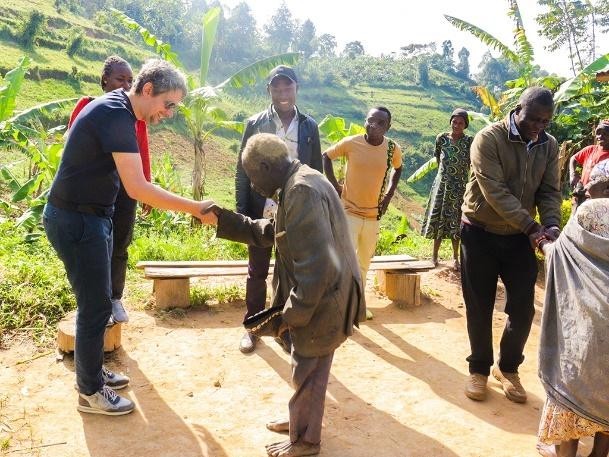
Photo of some solar panels 80W mounted on houses and connected to the 24Ah battery, Flemish & Local team leaders interacting with the Batwa beneficiaries
The team also engaged with briquette producers in Isingiro District, exploring opportunities to expand sustainable cooking energy solutions using agricultural waste materials.
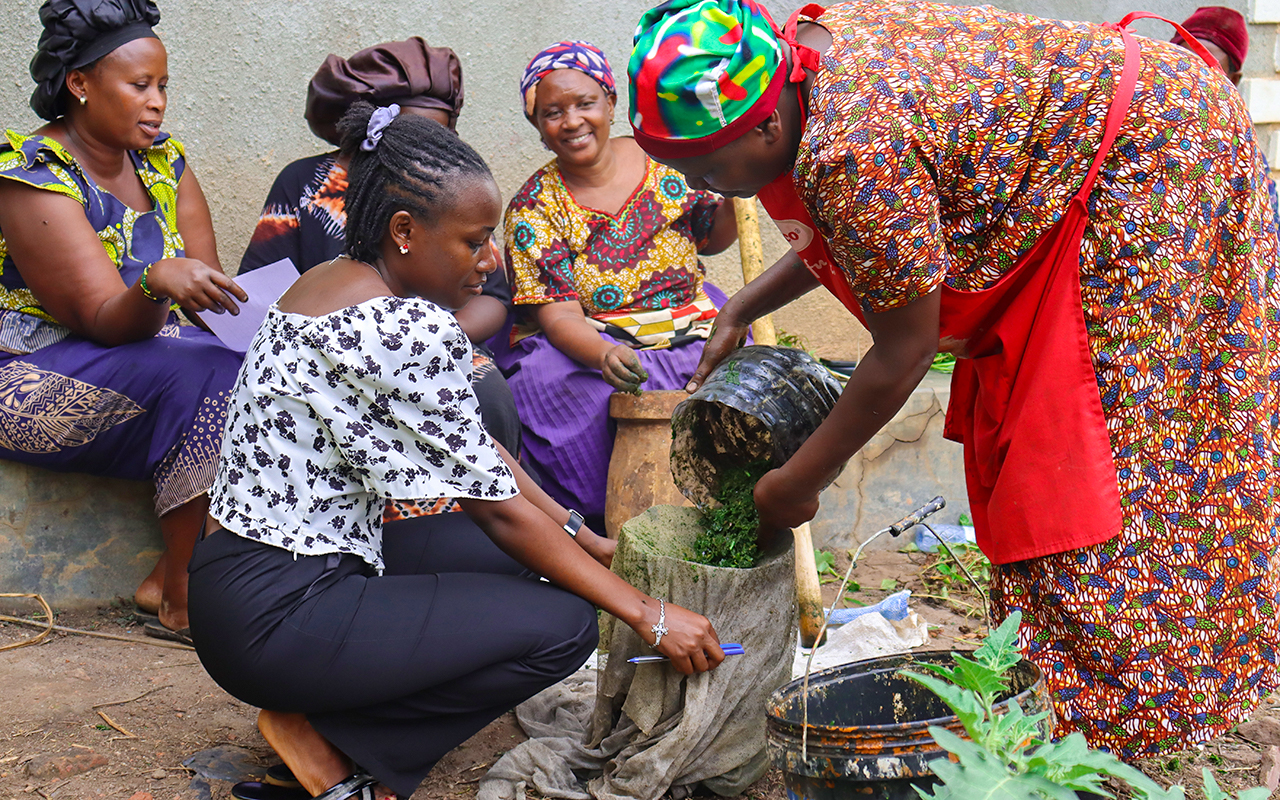
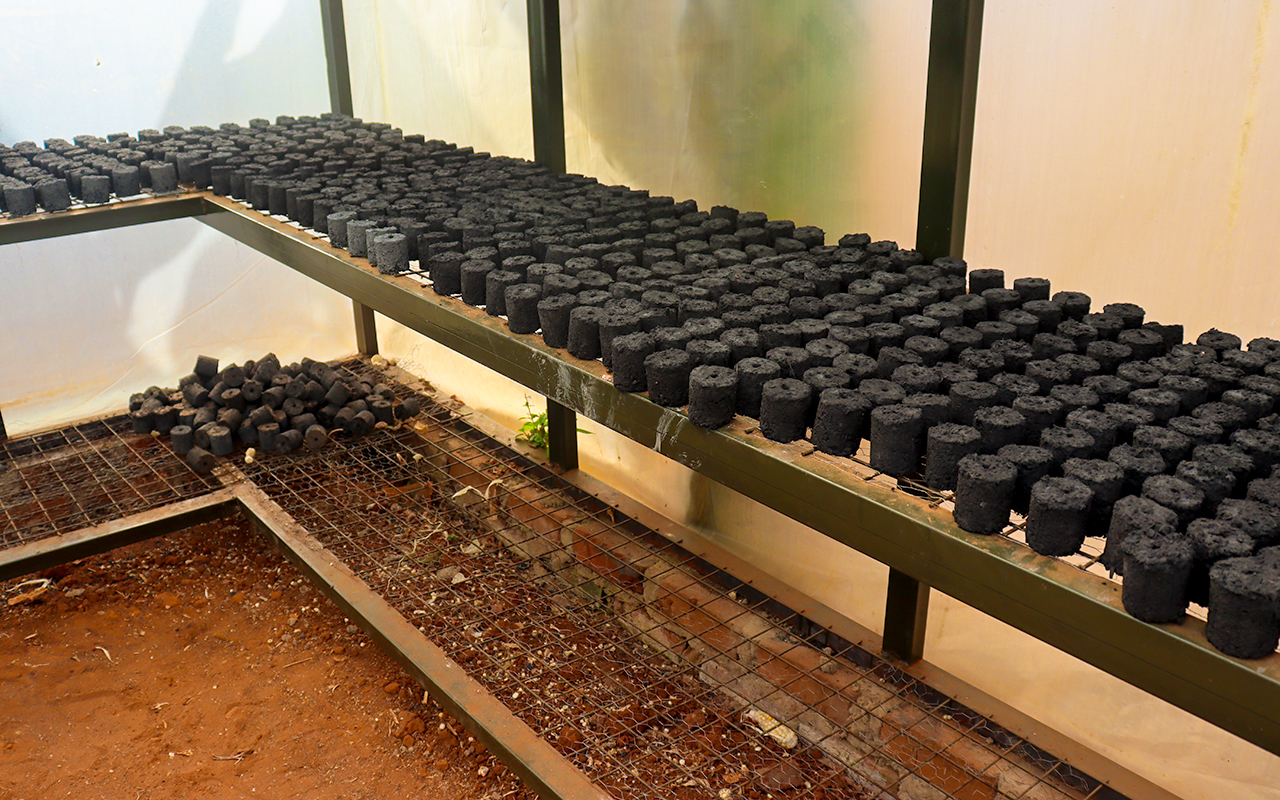
Left, Photos showing the Kabingo Lorena Briquette makers pounding sweet potato stems whose liquid is used as a binder
Health Systems Strengthening
Under the sexual and reproductive health sub-project 4, the Flemish team visited Mbarara Regional Referral Hospital to observe equipment and activities supported through the partnership.
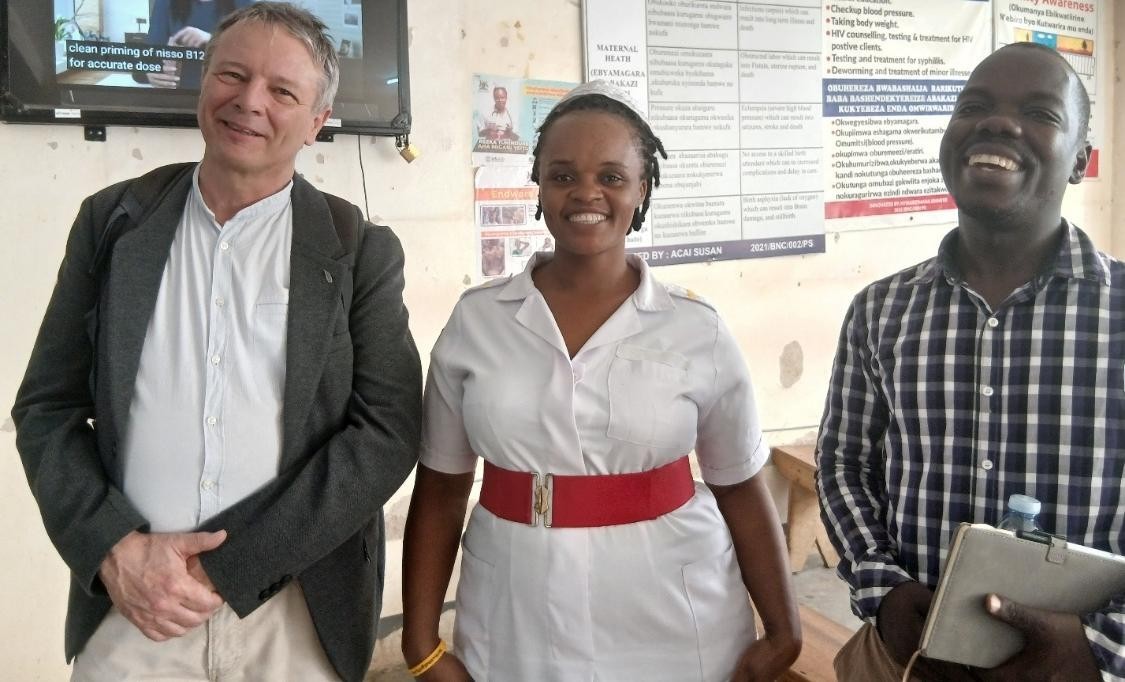
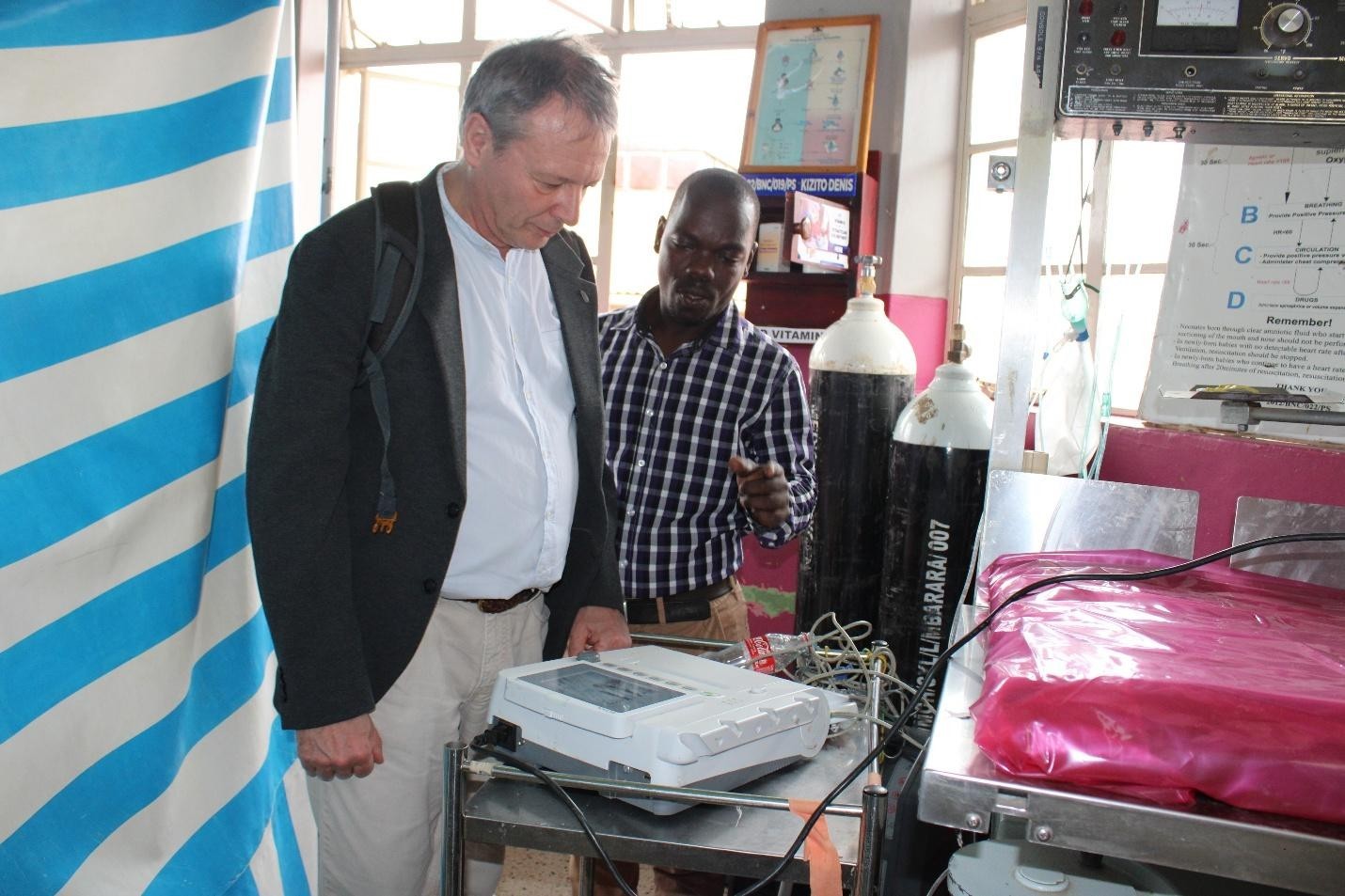
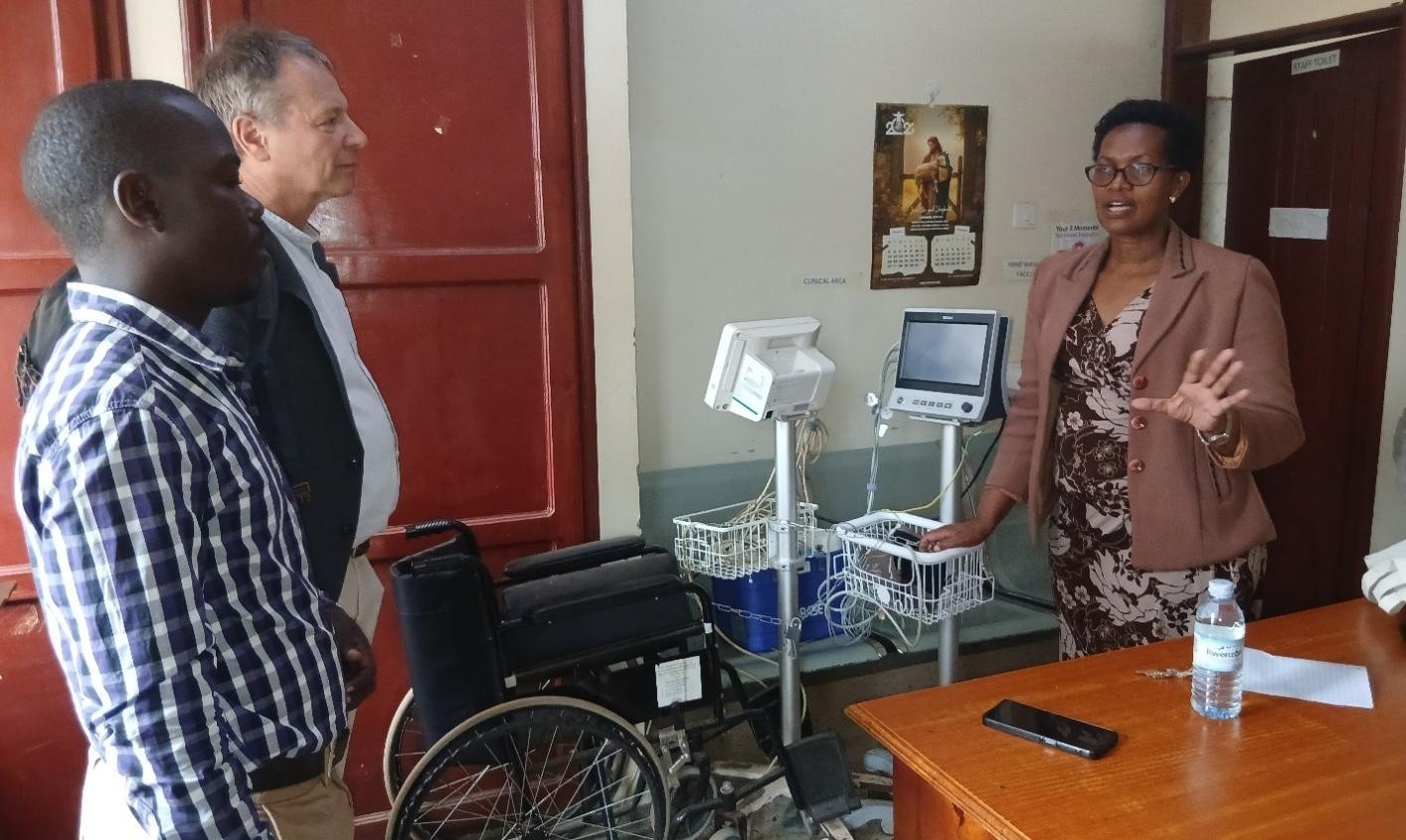
Prof. Yves (left) having a light moment with Rachel (centre) the incharge MCH and Arnold (right) P4 assistant during the hospital site visit
The project has contributed essential equipment such as CTG machines, fetal dopplers, patient monitors, and blood pressure machines, which are currently being used to improve maternal and newborn care.
Plans were also confirmed for the renovation of the hospital’s high-risk obstetrics ward, a development expected to significantly improve the management of complicated pregnancies.
 The delegation also visited Bugoye Health Centre III in Kasese District where they interacted with health workers and community members benefiting from the project’s health interventions.
Prof. Ngonzi (left), Dr. Leevan (centre) and Prof. Yves at Bugoye HCII during the Flemish team site visit
Entrepreneurship and Youth Employability
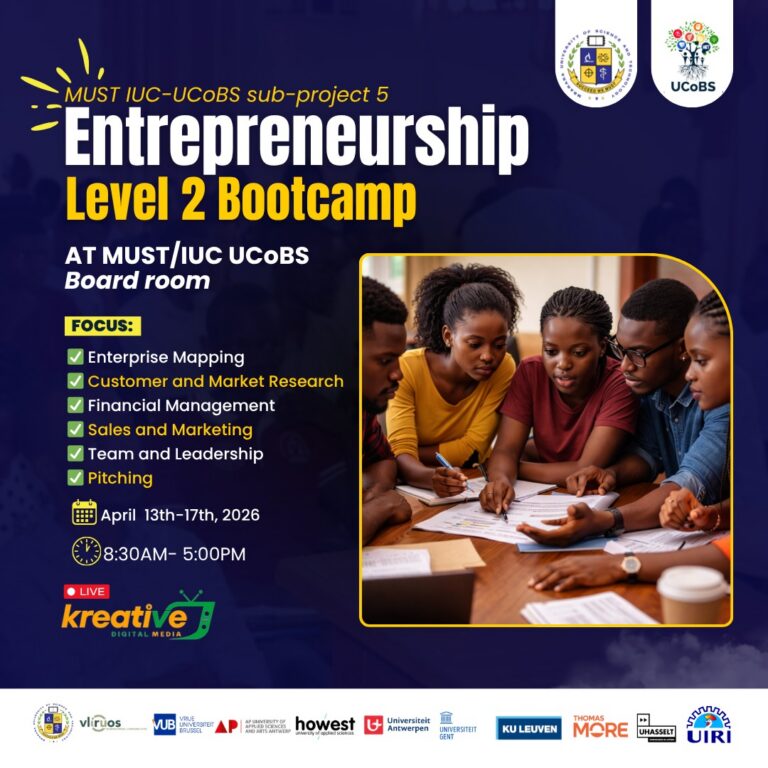
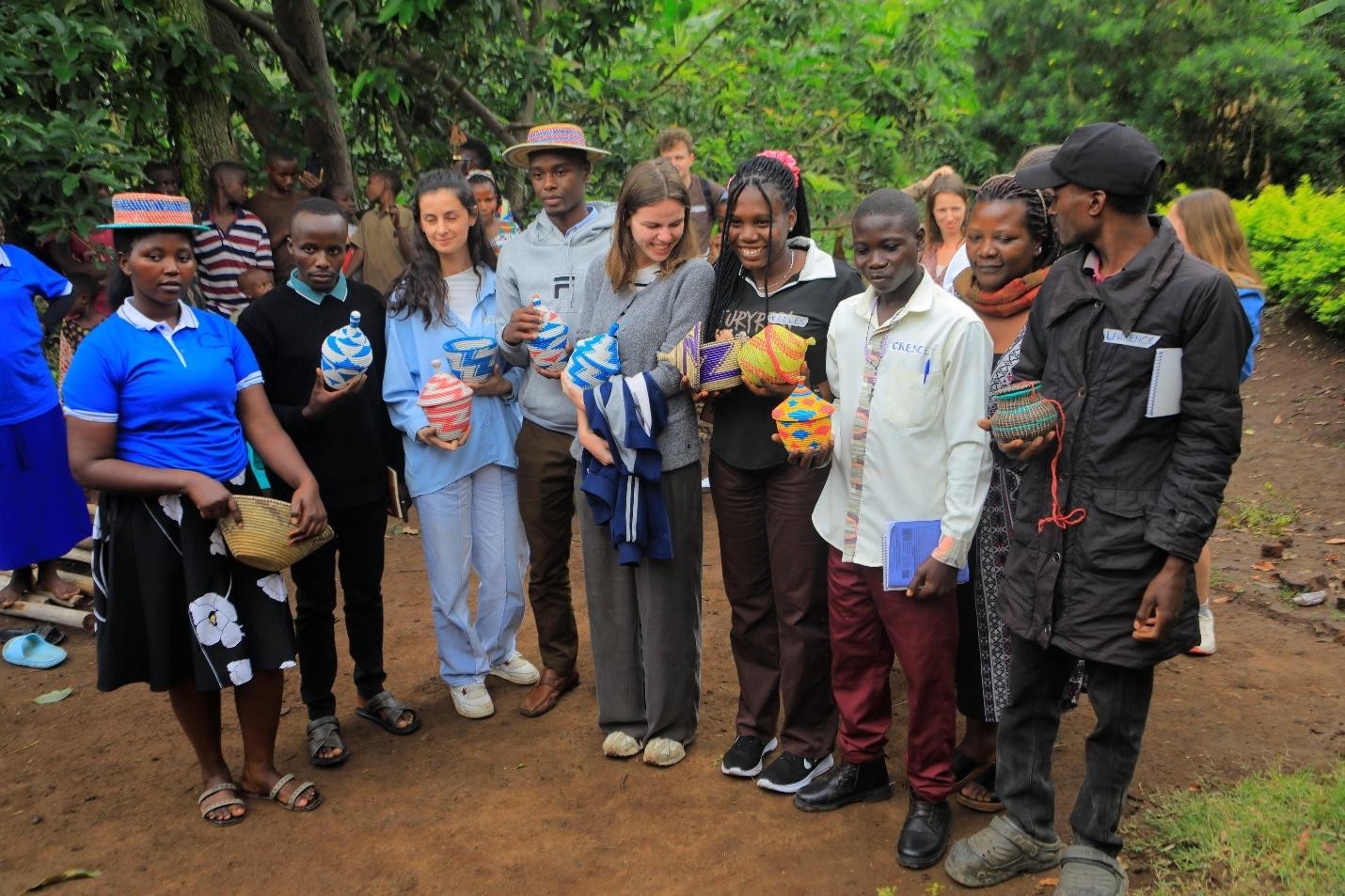
A group of students and faculty from HOWEST University conducted a two-week entrepreneurship bootcamp with MUST students. The programme engaged approximately 45 students in intercultural teams to develop practical business ideas across sectors such as agriculture, ICT, renewable energy, health, and education.
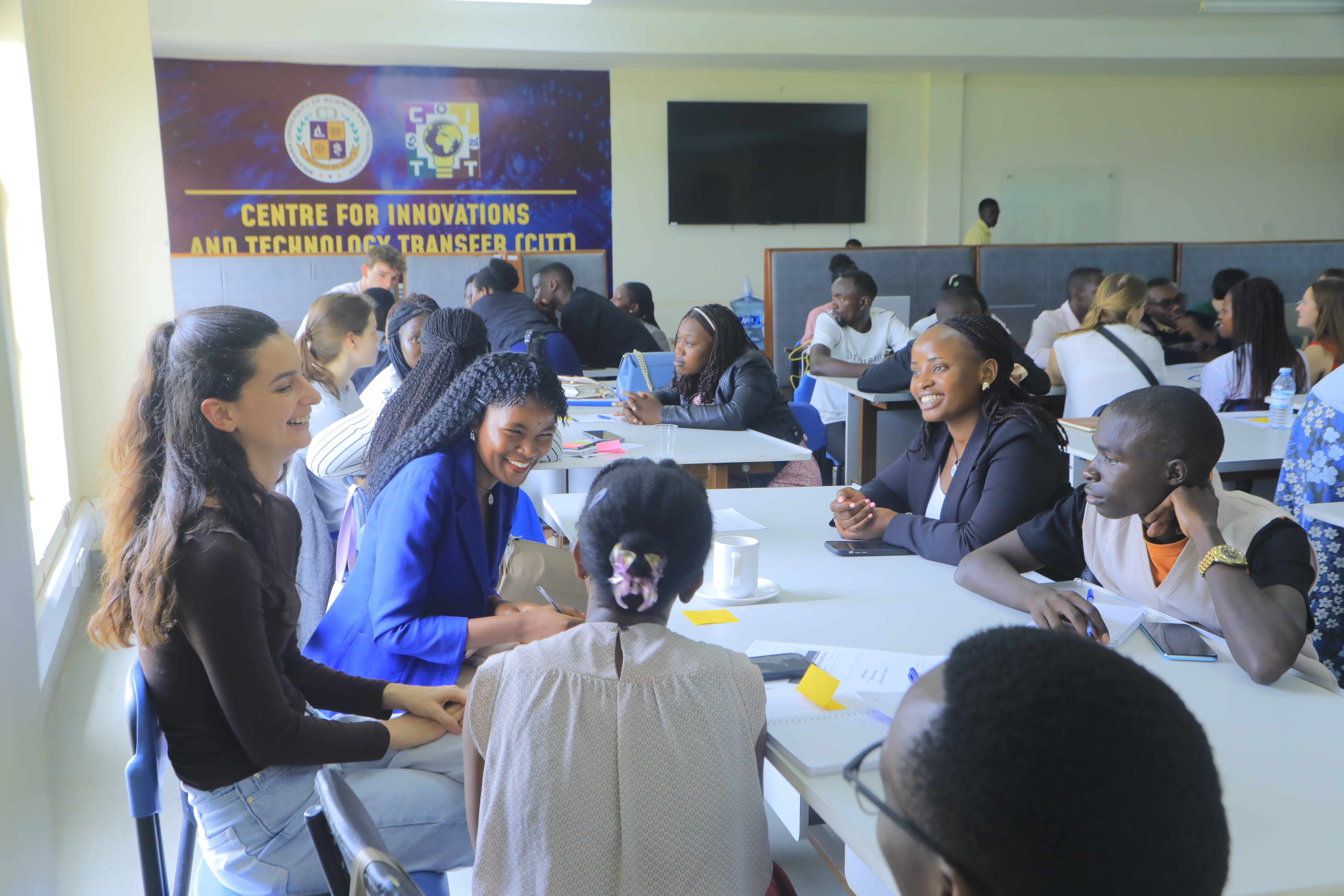
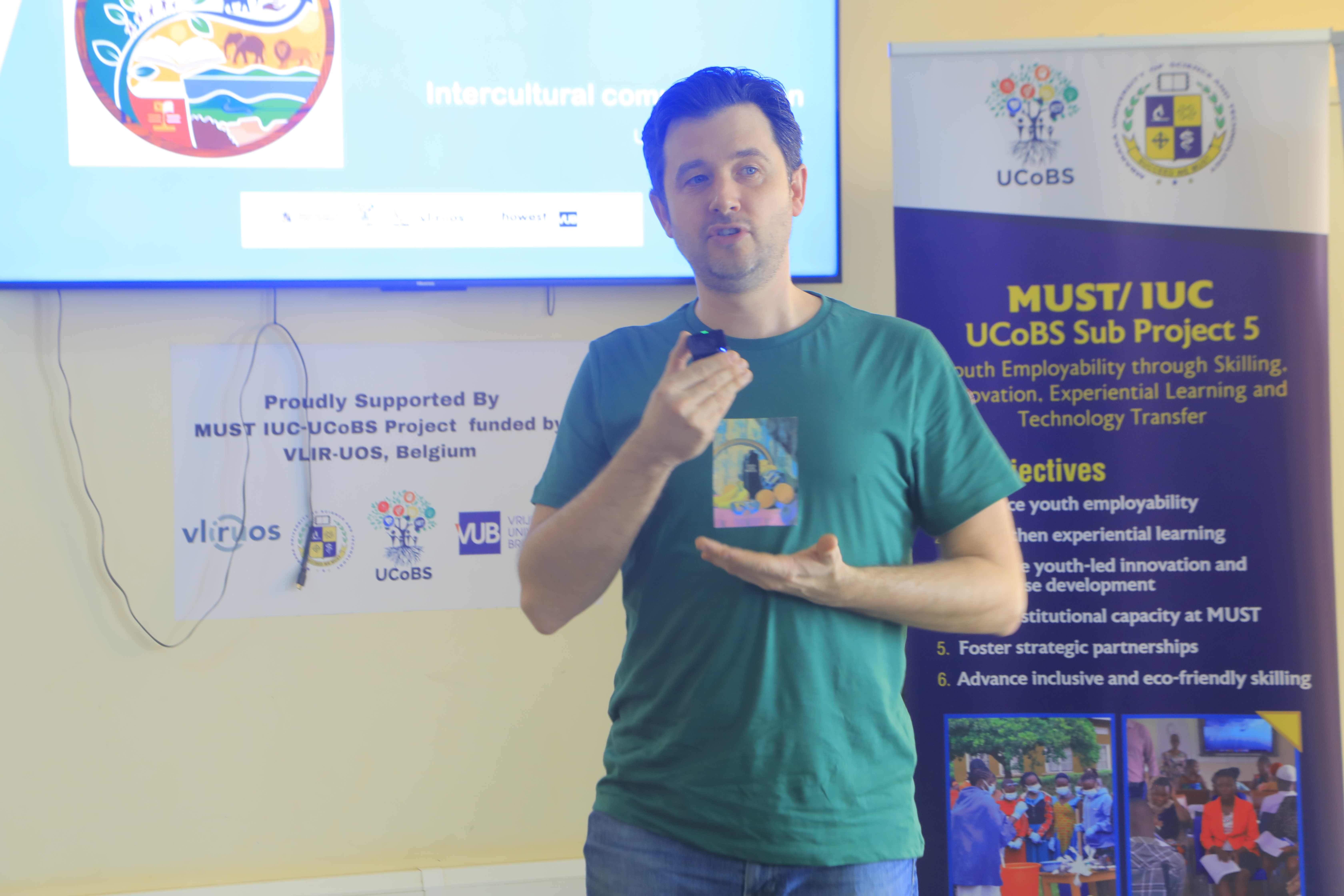
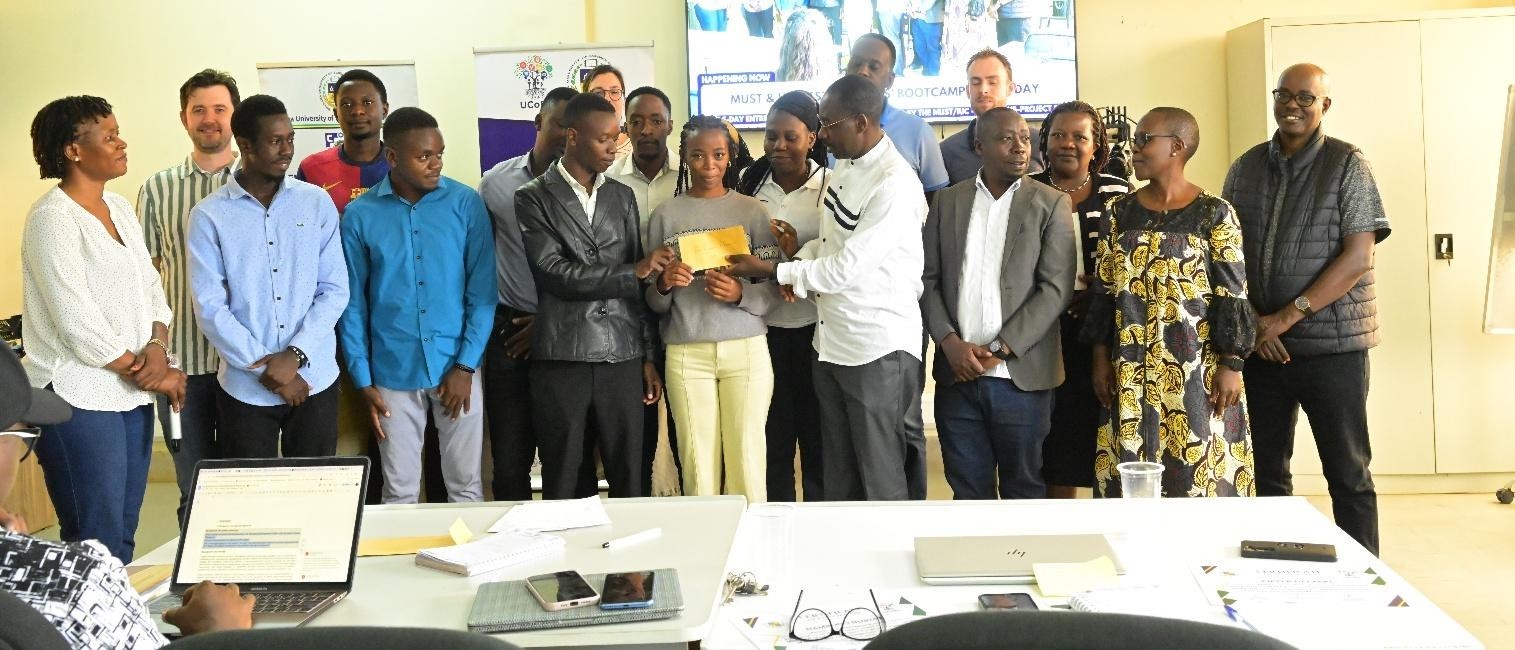
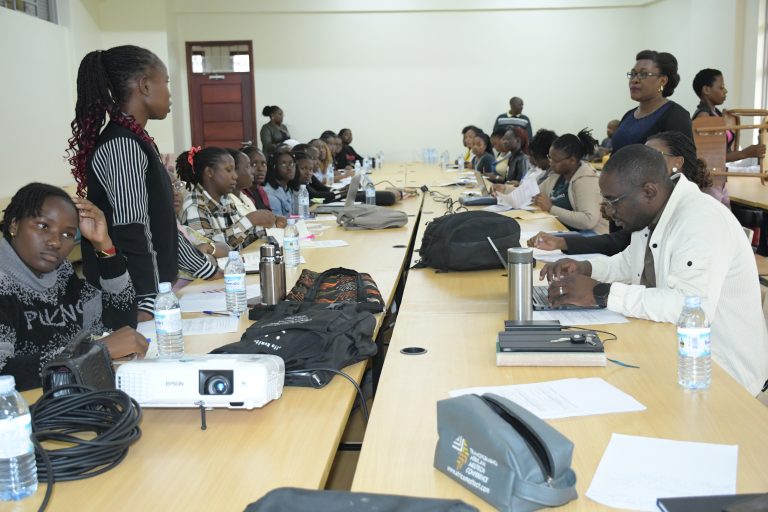
Presentations session in the MUST and Howest Students entrepreneurship level one boot camp
The training later transitioned to Rubirizi District where students worked directly with local entrepreneurs to strengthen tourism-related enterprises including beekeeping, basket making, bamboo crafts, and cultural tourism activities.
This practical learning approach helped students gain hands-on experience in enterprise development while supporting community-based businesses.
ICT and Institutional Capacity Development
The ICT sub-project also held meetings aimed at strengthening digital infrastructure and improving institutional capacity in information management. Discussions focused on the development of an AI and data management policy, strengthening ICT security systems, and improving collaboration between ICT teams and other research projects.
Team-building activities were also conducted to strengthen coordination among ICT technical staff and project teams.
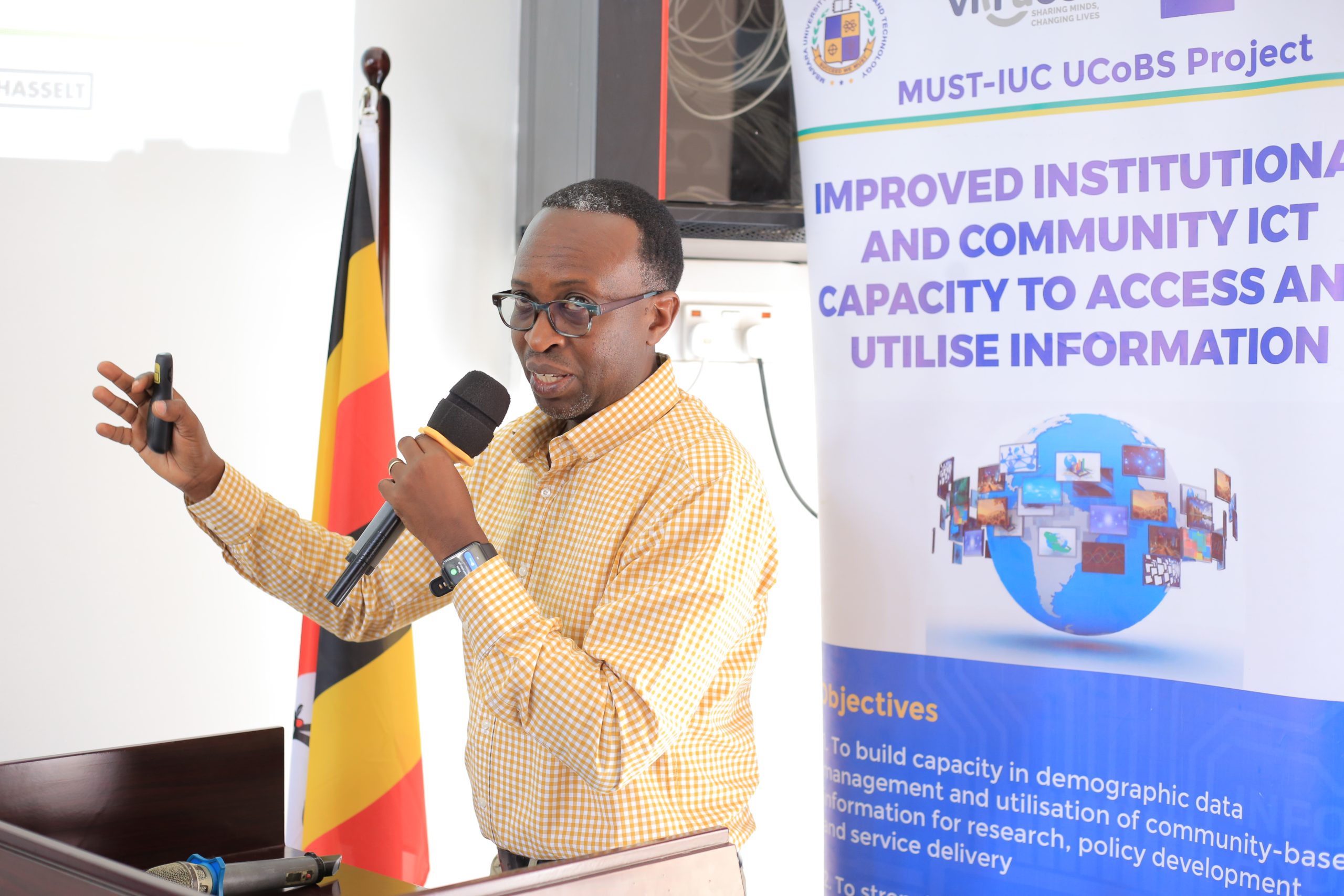
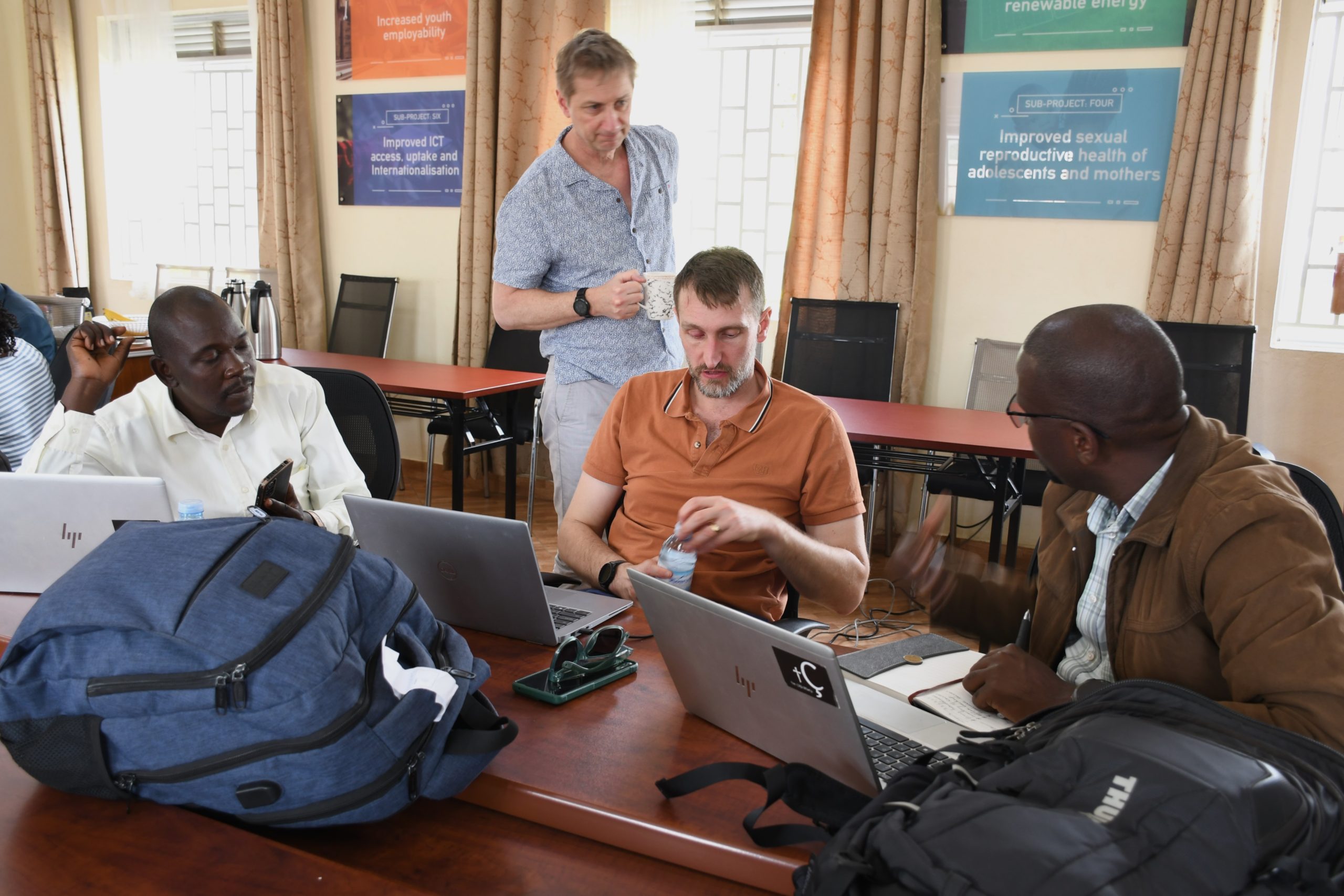
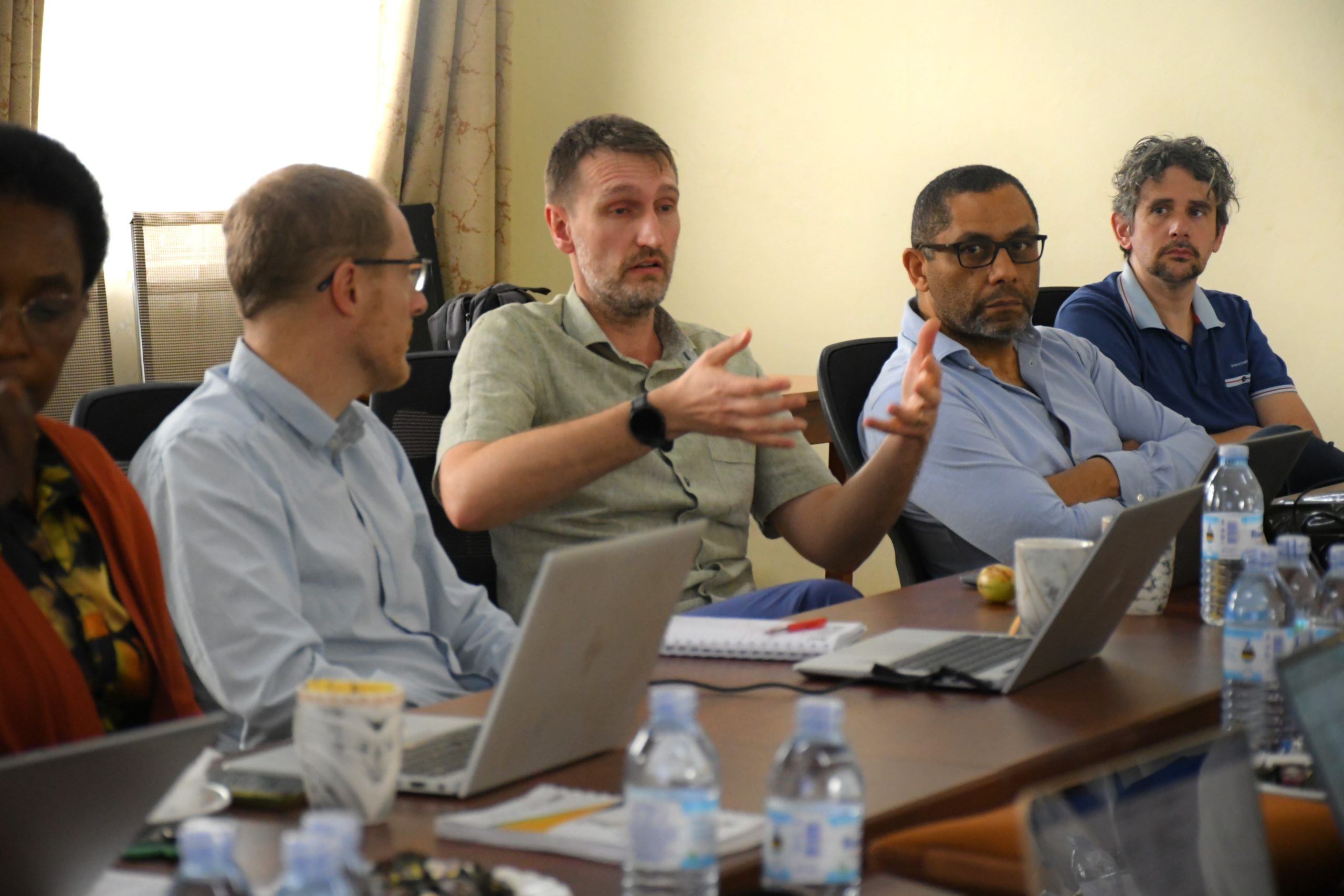
Above , Photos during the ICT presentation in the mini conference, differents meetings , and team building activity
In Conclusion
The visit concluded with reflections on the achievements of the UCoBS project as it approaches the end of its first phase. Participants emphasized the importance of sustaining the strong collaboration between MUST and Flemish institutions to further enhance research impact and community transformation.
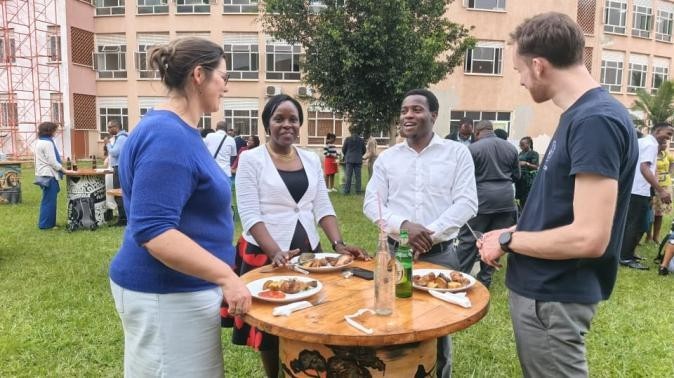
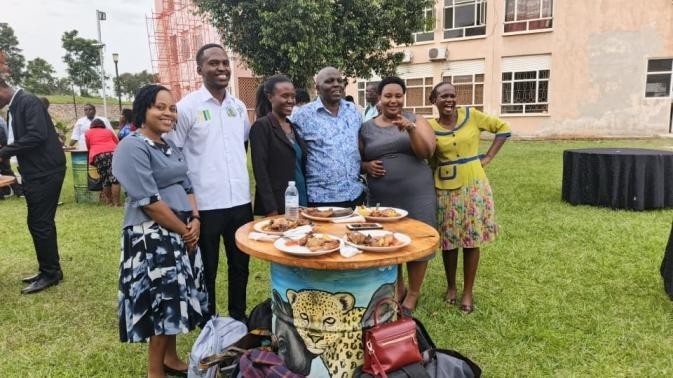
An interaction at the evening barbeque
Through its research, partnerships, and community engagement initiatives, MUST continues to position itself as a key driver of innovative solutions addressing demographic and development challenges in South-Western Uganda.
Gallery: