By Immaculate Nakazibwe | PhD Researcher | Vliruos Scholar
Joint PhD Program—Mbarara University of Science & Technology (MUST) and KU Leuven
[email protected] | +25677902486
👩🏾🔬 Introduction
In the hills of southwestern Uganda, farmers have been reporting a steady decline in soil fertility. As crop yields fall, especially under unpredictable weather conditions, the need for climate-smart and practical solutions becomes more urgent.
Immaculate Nakazibwe, a PhD researcher jointly affiliated with MUST and KU Leuven and a VLIR-UOS Scholar, contributes to sub-project 2 through her research, Mechanisms for Climate Change Adaptation for Sustainable Food Production.” The goal is to support smallholder farmers with evidence-based strategies to improve food security in a changing climate.
📍 Season 1 Fieldwork: Rubirizi District
From October 2024 to January 2025, she worked closely with 20 farmers across Kichwamba, Kirugu, and Kyabakara sub-counties in Rubirizi District and conducted a nutrient omission trial to understand which soil nutrients are most limiting to finger millet production.
Each farmer’s garden acted as a block in a Randomized Complete Block Design (RCBD) and established eight treatments on 3 m² plots per farmer: control (no fertilizer), PK (no nitrogen), NP (no potassium), NK (no phosphorus), NPK (basic macronutrients), NPK + manure, and NPK + manure + Mg + Ca + S + B + Zn.
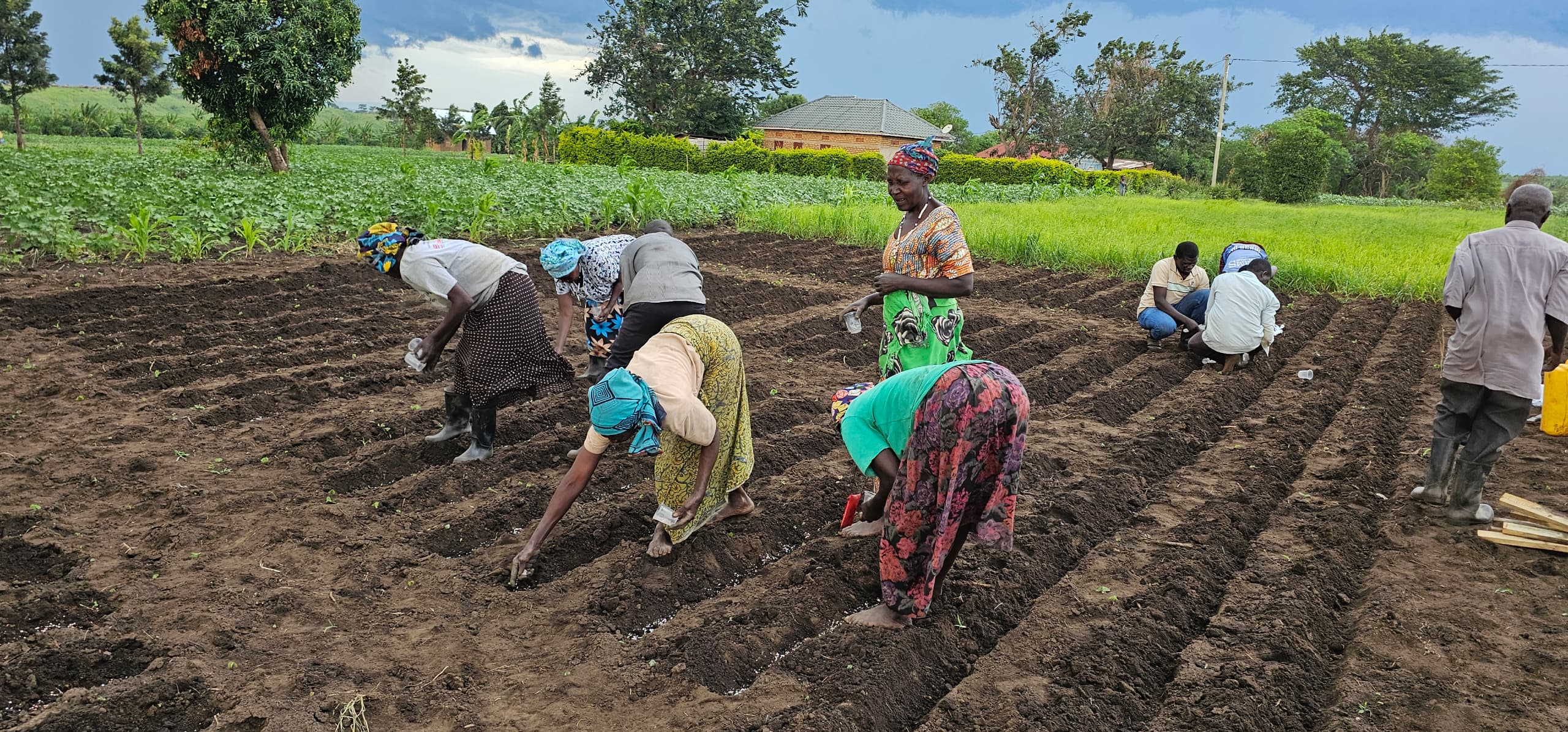
Figure 1: Research team and farmers applying fertilizer in rows during the field trial setup at Garden 4 in Kirugu sub-county.
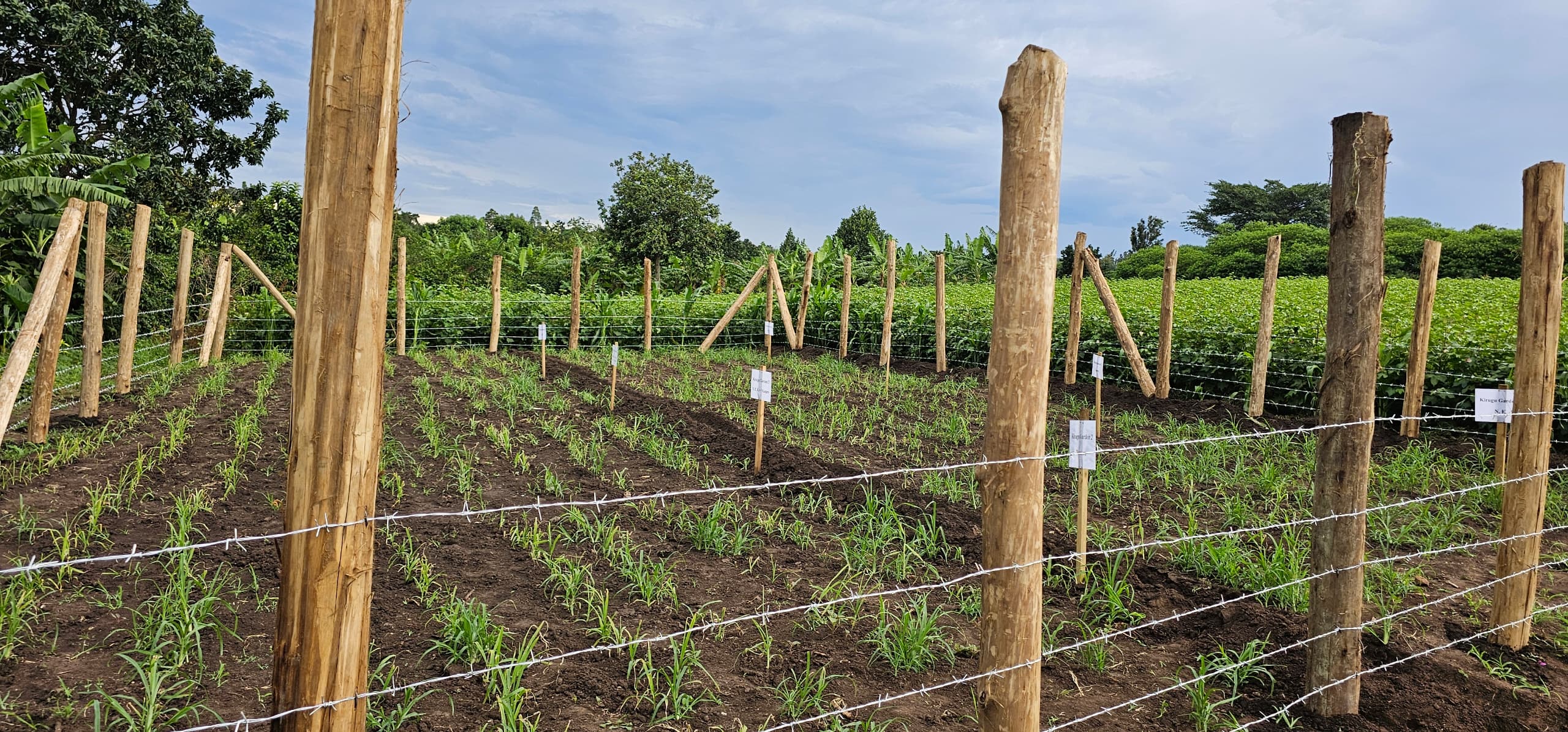 Figure 2: Plot Layout for Garden 2, Kirugu Sub-County.
🌱 Agronomic Practices and Farmer Feedback
All plots were managed using recommended agronomic practices, namely:
- Line sowing for even spacing
- Seremi 2, an improved finger millet variety
- Timely weeding
- Integrated pest and disease management
Despite the late planting, farmers were impressed by Seremi 2’s vigor and yield potential, despite limited inputs.
🤝 Collaboration and participation
This study was carried out with farmers, not for them. They were involved from the start, helping to set up plots, managing them throughout the season, and participating in harvest. Their feedback and experience have been key to shaping the direction of the study.
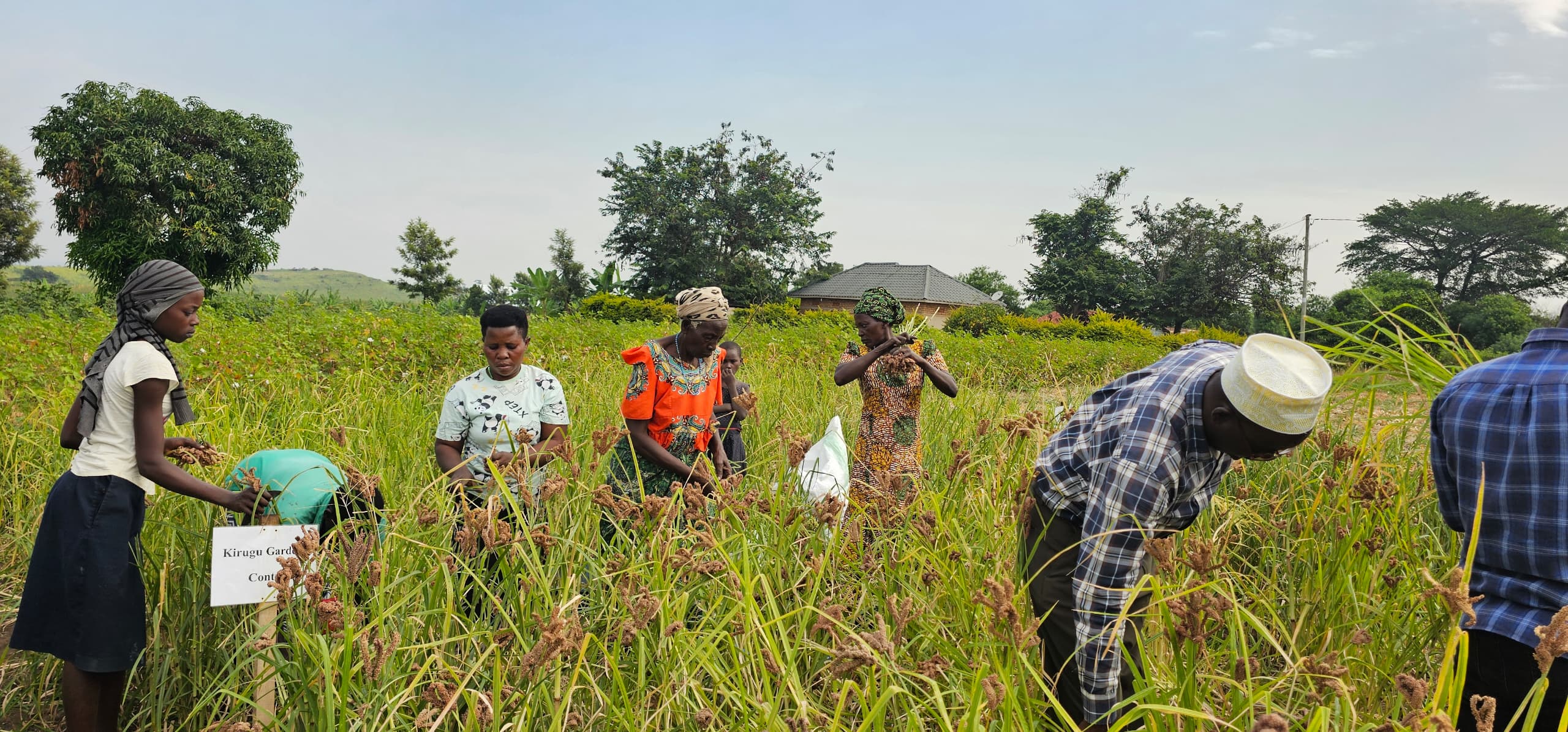 Figure 3 shows the finger millet harvest at Garden 4 in Kirugu Sub-County.
🔬 Laboratory work at KU Leuven.
After harvesting, soil and plant samples were taken to KU Leuven, where they were processed with advanced analytical instruments to ascertain how different nutrient treatments affect growth and yield.
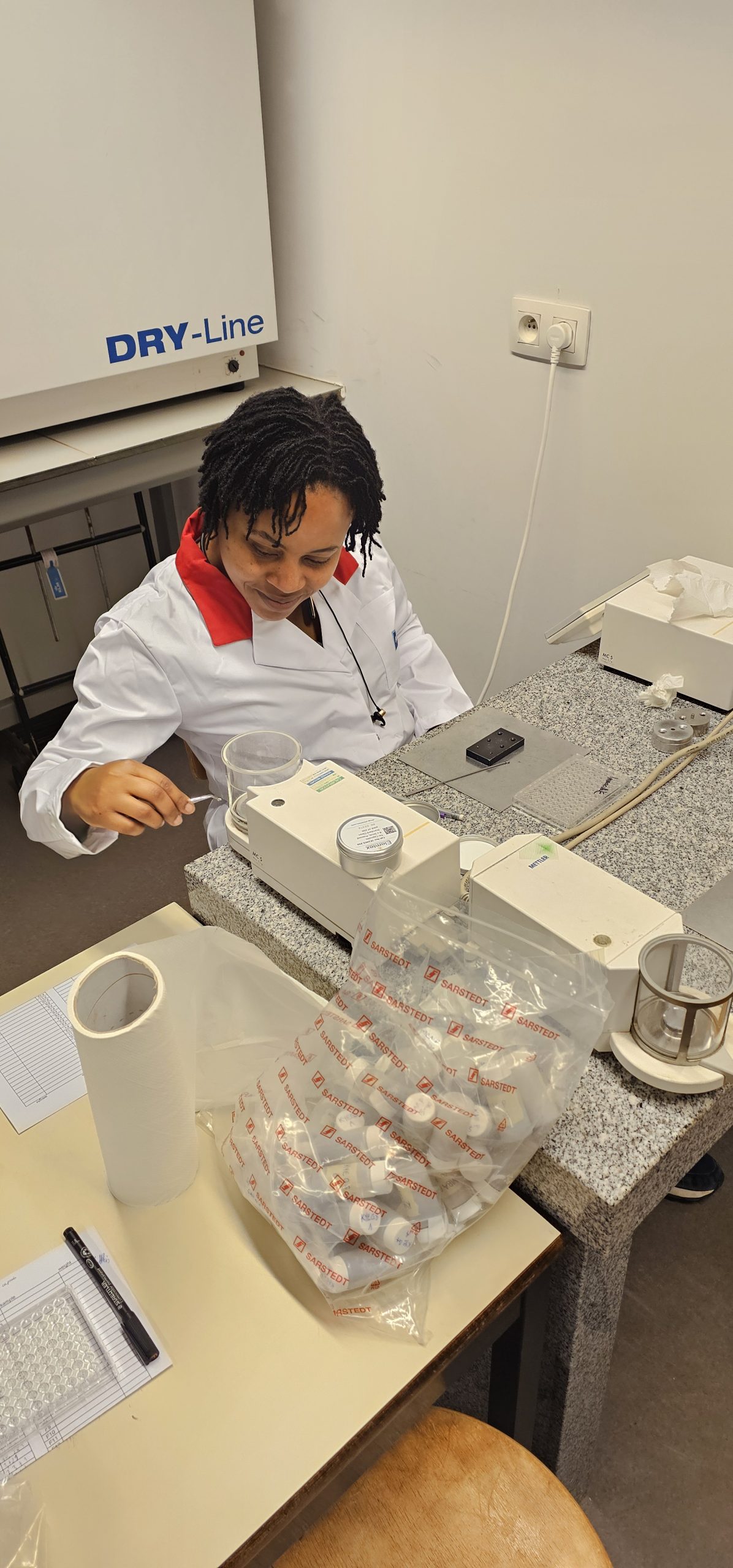
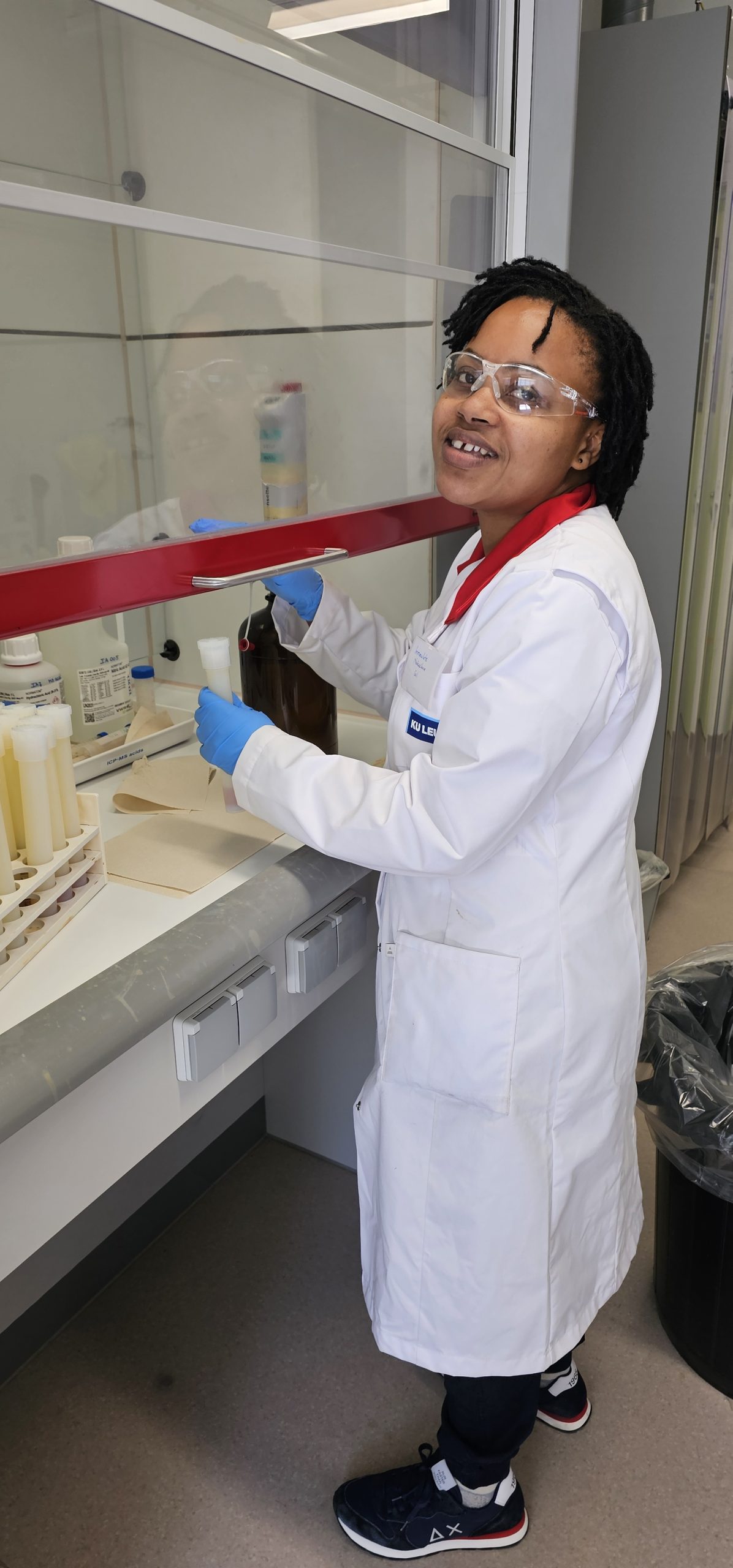
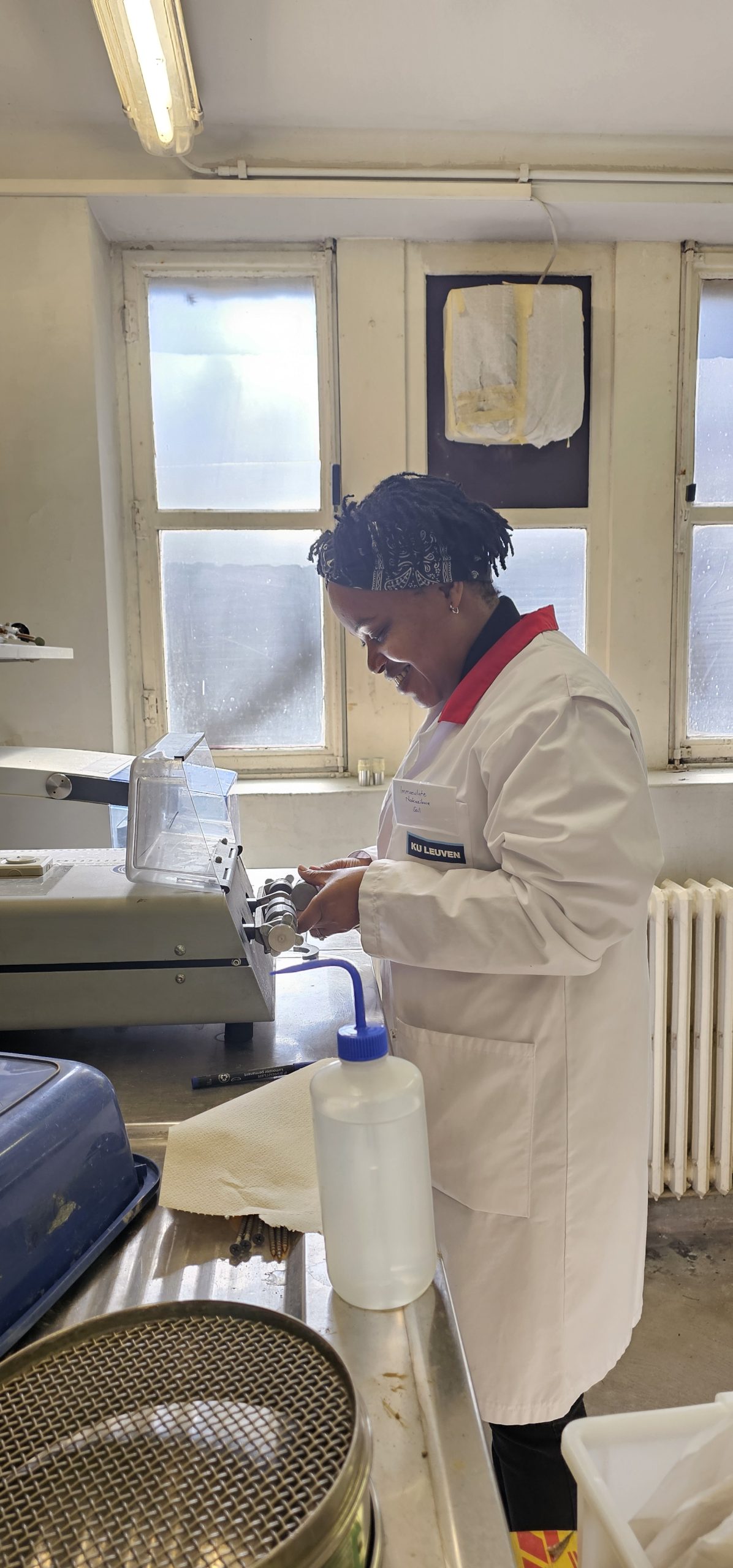
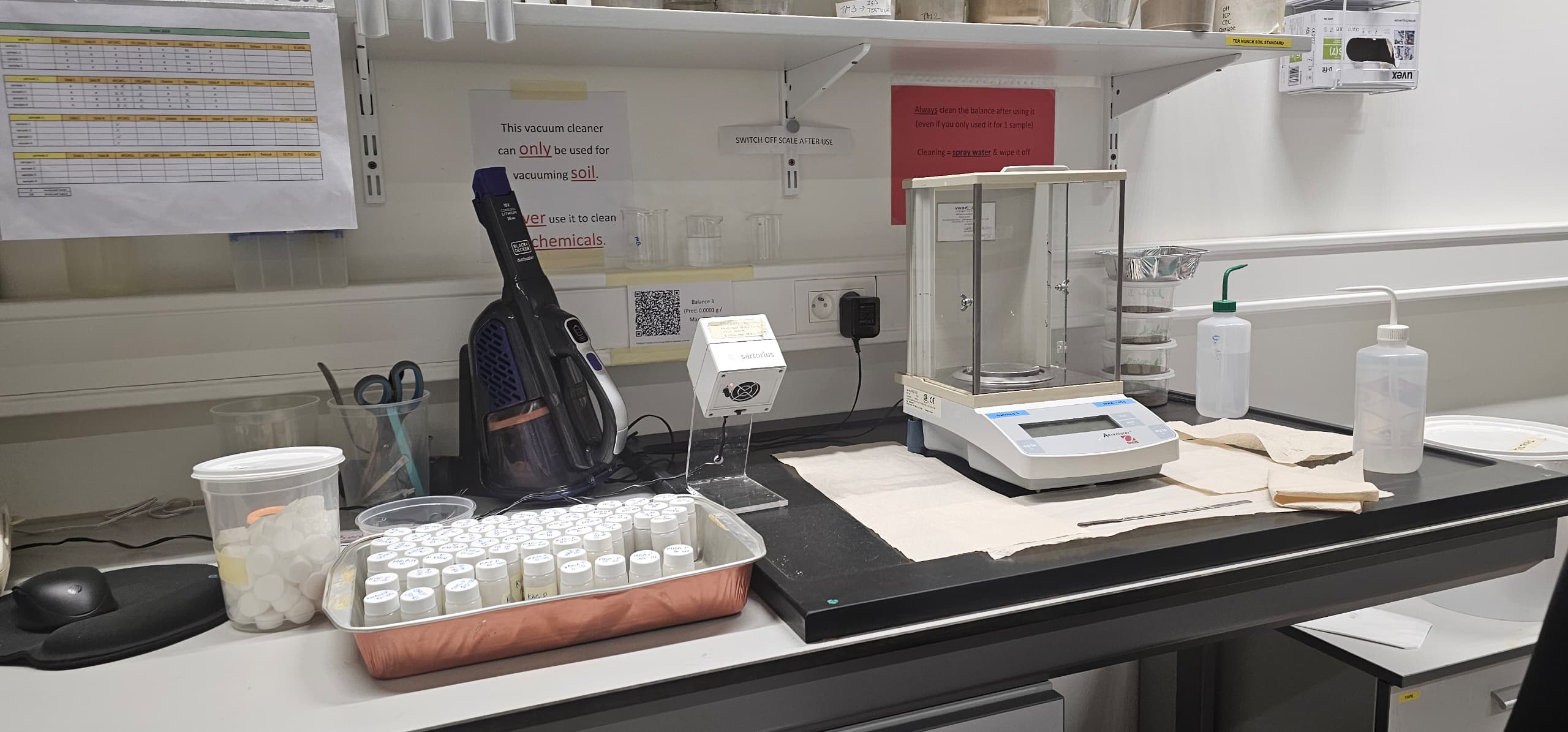
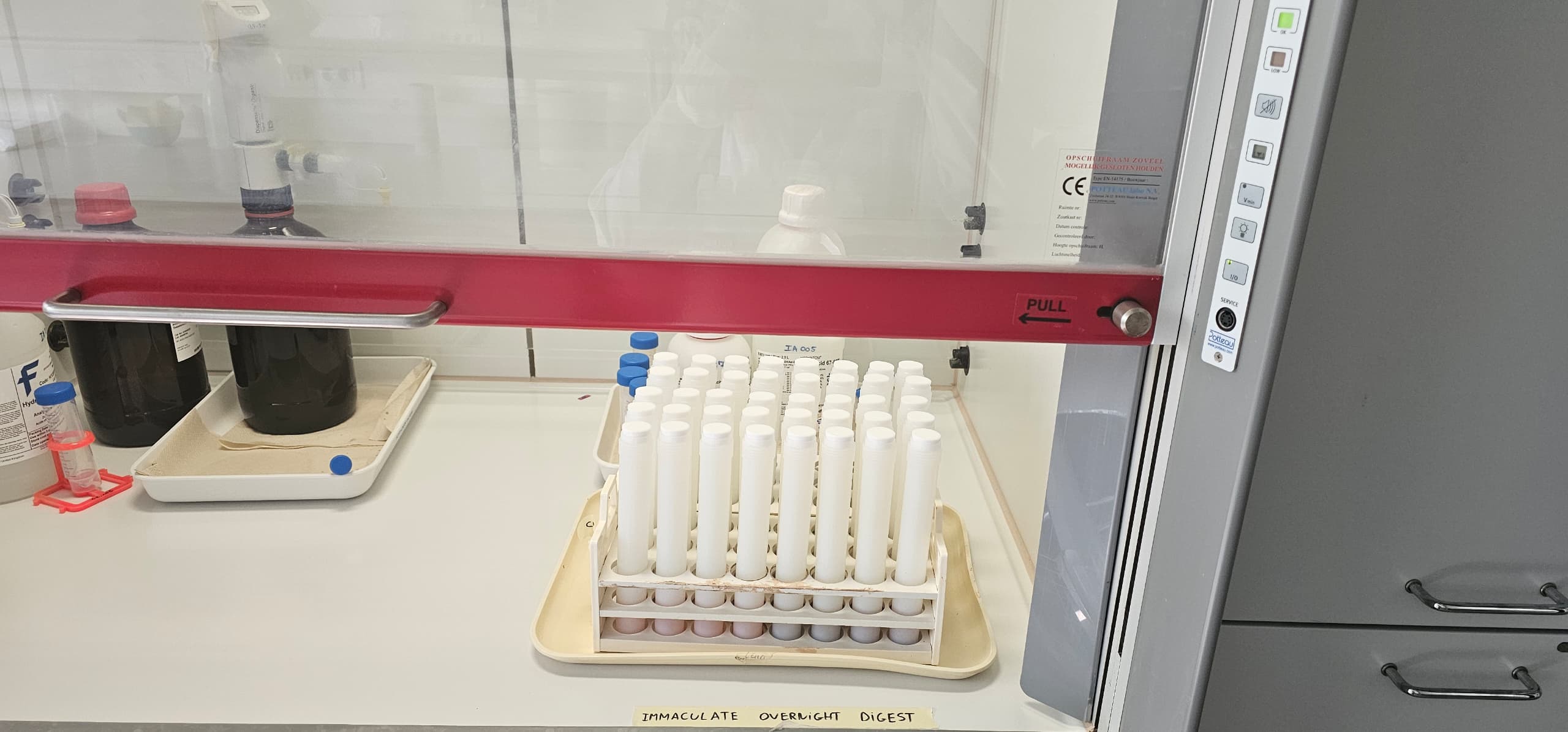
Figure 4: Sample Processing before Laboratory Nutrient Analysis
🔁 What’s Next?
This was just Season 1, and the same experiment will be repeated in future seasons, using the same design and variety. This continuity will help her gather consistent and reliable data to inform practical, low-cost fertilizer recommendations for finger millet production for local farmers.
🧭 Final Thoughts
This journey is about building knowledge together slowly, consistently, and with the community at the center. In the face of climate change, small shifts in how soil, nutrients, and crops are managed may make a big difference.
Immaculate Nakazibwe is grateful to her supervisors, collaborators, and the incredible farmers of Rubirizi for walking this journey with her. Together, seeds are being planted not just of finger millet, but for resilience, equity, and sustainable growth.
Stay tuned as she continues to explore how soil, science, and society can come together to build climate-smart food systems for the future.