Bridging Uganda and Belgium to Protect a Vital Crop
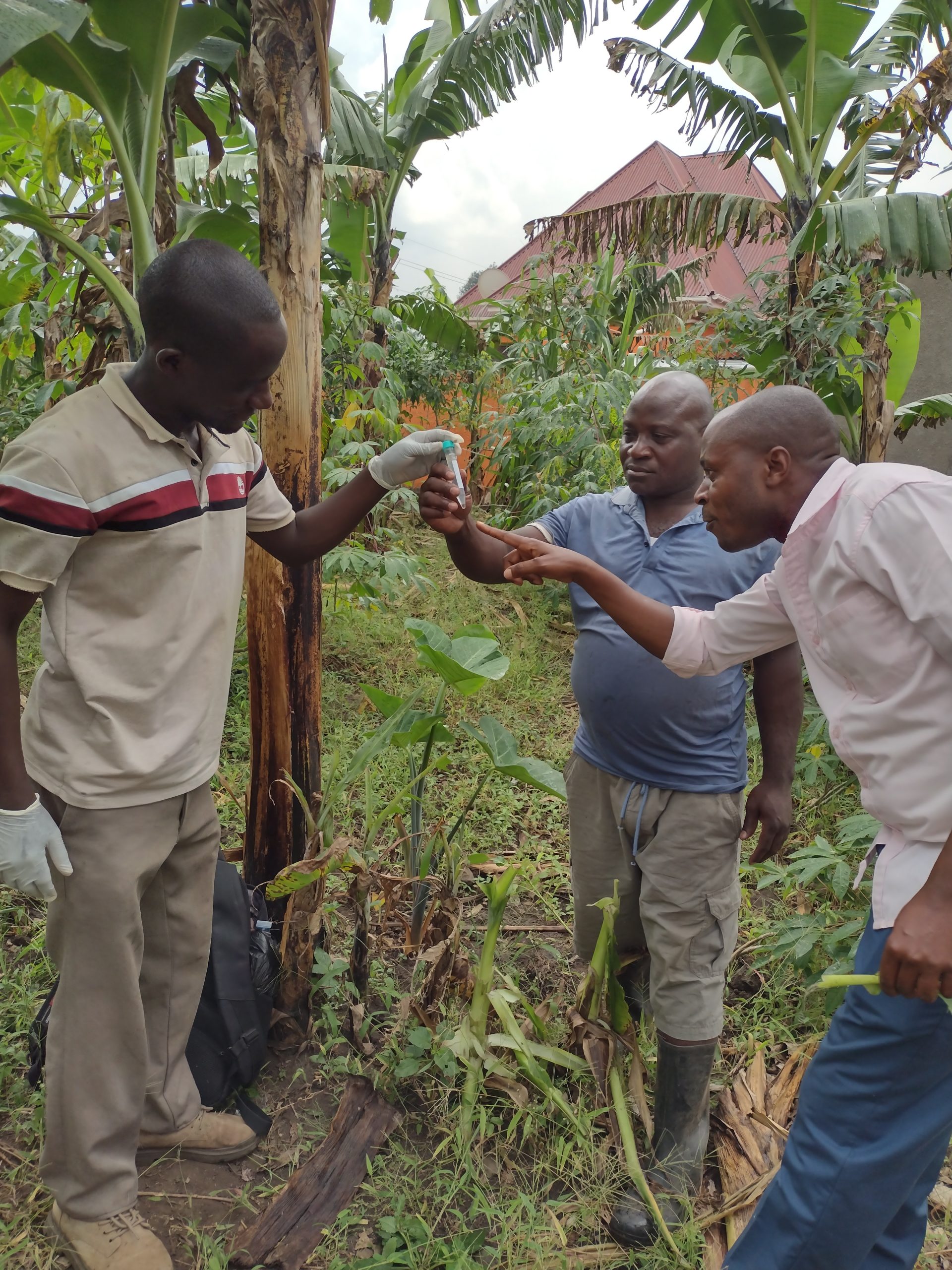 David Mubiru is a promising young researcher in the field of plant pathology, currently pursuing his PhD under a joint fellowship between Mbarara University of Science and Technology (MUST) in Uganda and KU Leuven in Belgium. His work is centered on an increasingly urgent issue in Uganda’s agricultural landscape: the spread of Banana Bunchy Top Virus (BBTV), a devastating disease threatening one of the country’s most essential food and income-generating crops.
Phase 1: Fieldwork in Uganda
In January and February, David embarked on intensive field surveys across Kasese (Mid-Western Uganda) and Arua and Zombo (North-Eastern Uganda). Armed with notebooks, sampling gear, and determination, he worked alongside local agricultural officers, including Mr. Moris Muhindo in Kasese, to assess the extent of the BBTV spread.
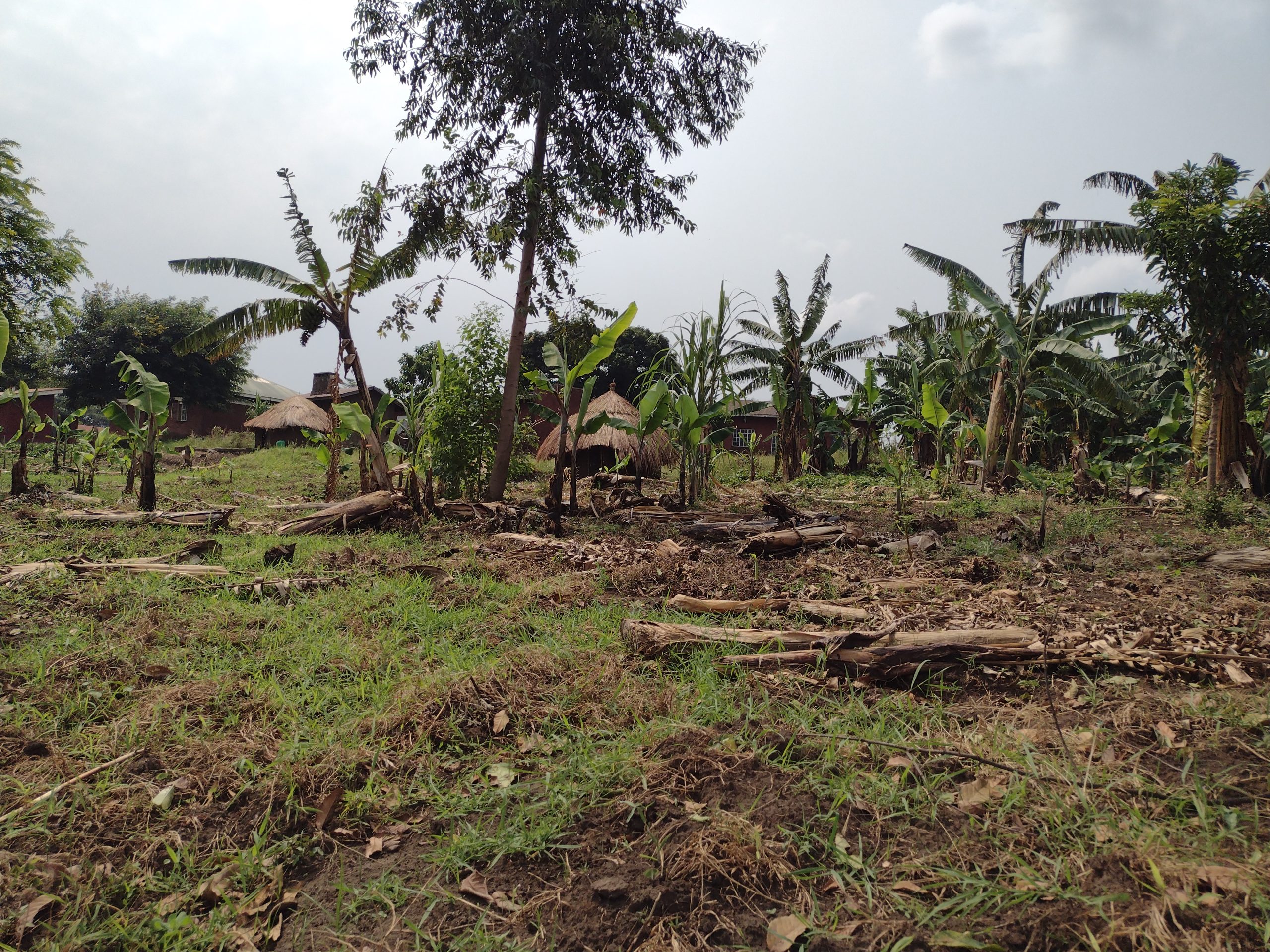
In Karambi Sub County, Ruhuma Parish (Kasese district), David encountered what once was a lush, productive banana plantation now destroyed by BBTV. Similarly, in Abanga Sub County (Zombo district), entire fields stood damaged, symbolizing the virus’s spread.
 As part of the survey, David also collected banana aphids, the primary vectors of BBTV transmission, in Arua Municipality, which is critical for better understanding the disease’s mechanics.
Phase 2: Molecular research in Belgium.
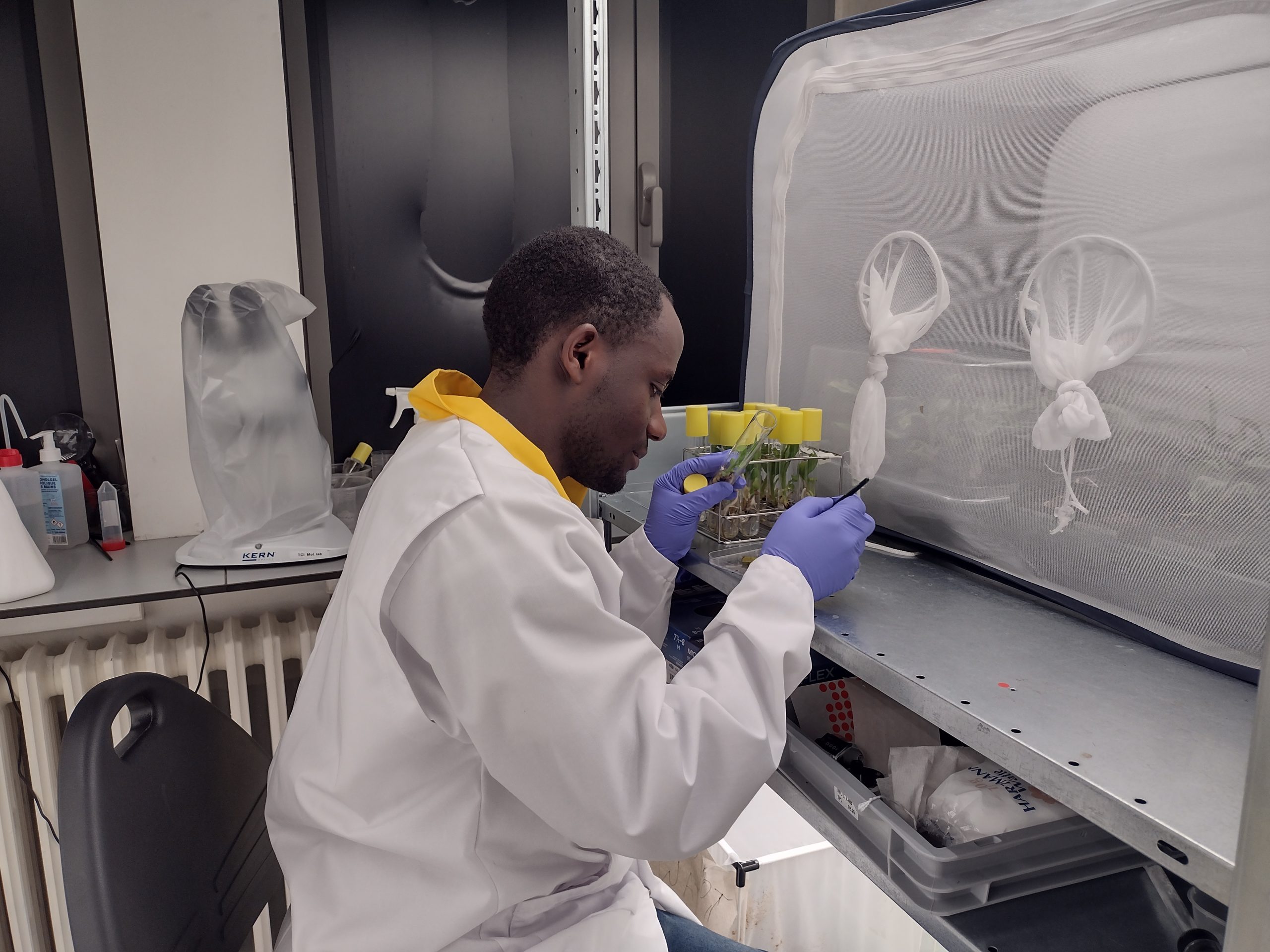
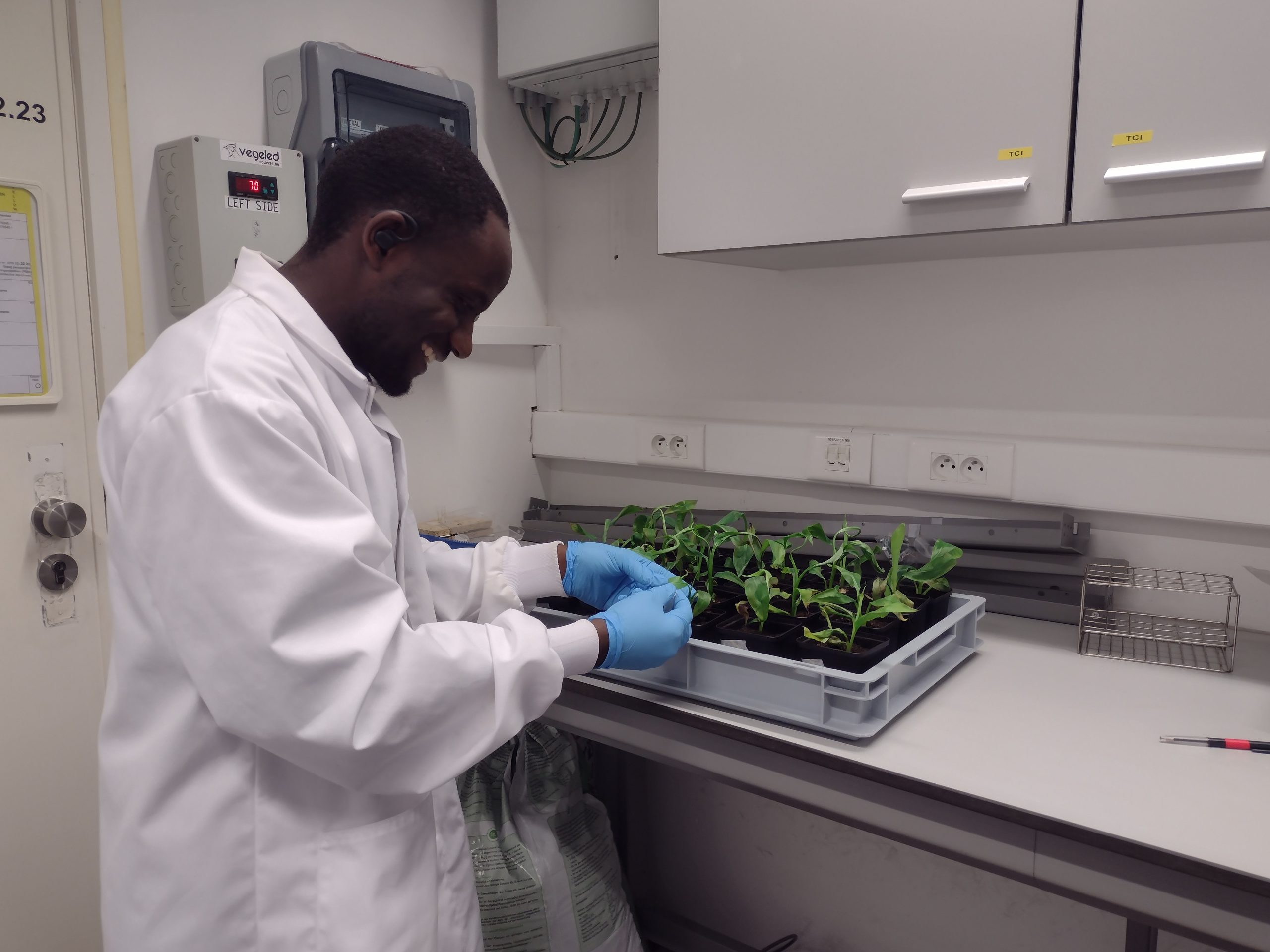 To complement his field findings, David is currently based at the Tropical Crop Improvement Laboratory in Flanders, Belgium, under a prestigious predoctoral fellowship at KU Leuven.
Here, he is equipping himself with cutting-edge molecular tools to combat BBTV at a genetic level.
In Belgium, David has mastered vital wet lab techniques, including polymerase chain reaction (PCR) and gel electrophoresis for detecting viral DNA, in vitro inoculation of banana plantlets with BBTV, and infection phenotyping, tracking how banana plants respond to BBTV over time
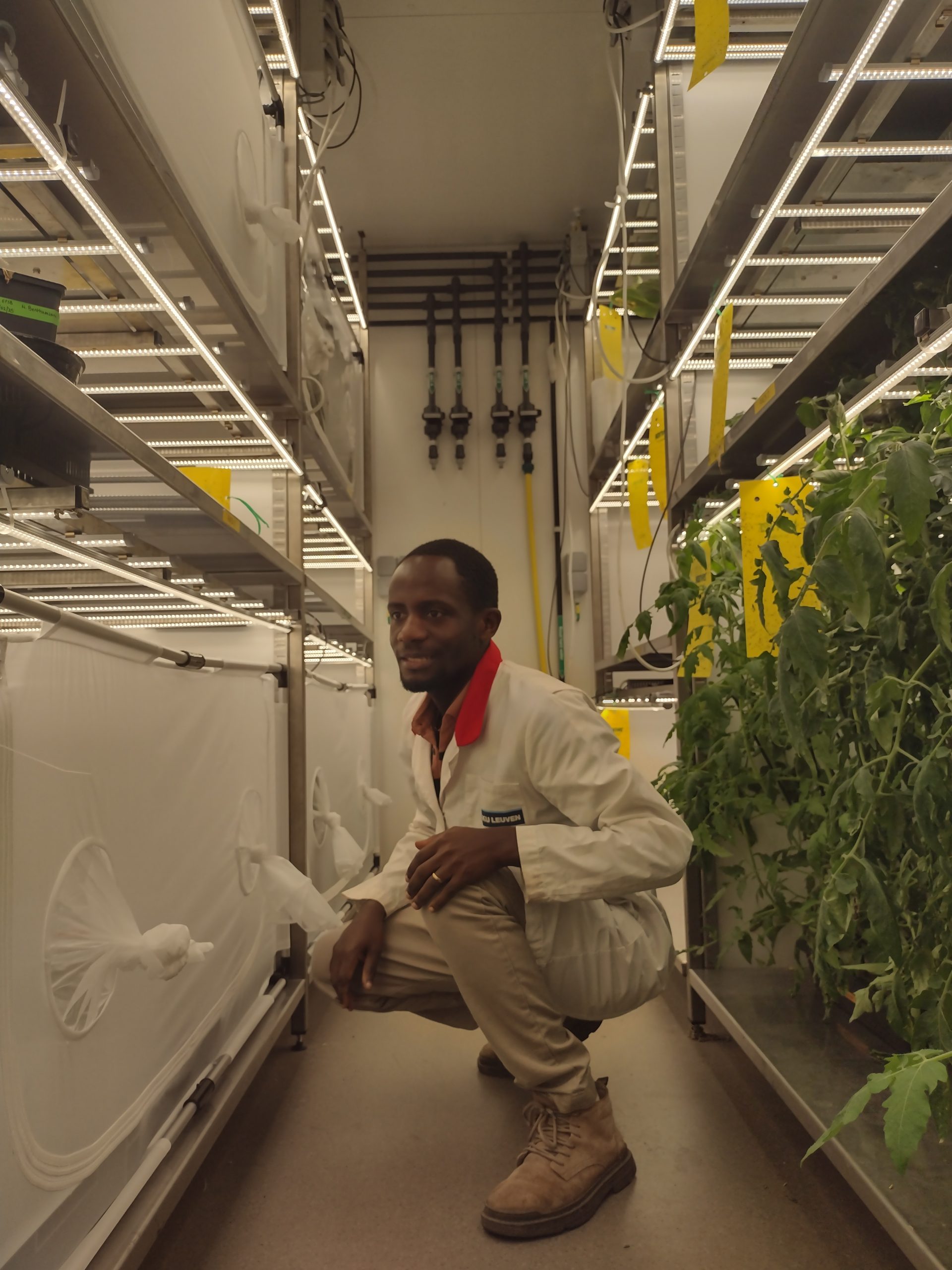 Each day in the lab adds new value to his skillset. From monitoring banana plants in growth chambers to transplanting in vitro plantlets, David is learning how to identify, track, and potentially breed resistance into banana cultivars.
A Transcontinental Approach to a Local Problem
The research journey is a powerful example of how North-South academic collaboration can generate solutions for pressing local challenges. His combined experiences on the ground with farmers and in the lab with cutting-edge molecular tools position him to develop evidence-based strategies for controlling BBTV in Uganda.
The ultimate goal is to provide Ugandan farmers with practical recommendations and resistant banana varieties, thereby improving food security and protecting livelihoods throughout the country.