From 30th October to 14th November, MUST IUC-UCoBS subproject 5 concluded a profound and action-driven mission focused on a central question: Are Uganda’s SMEs and universities ready to embrace sustainable management in an increasingly complex world?
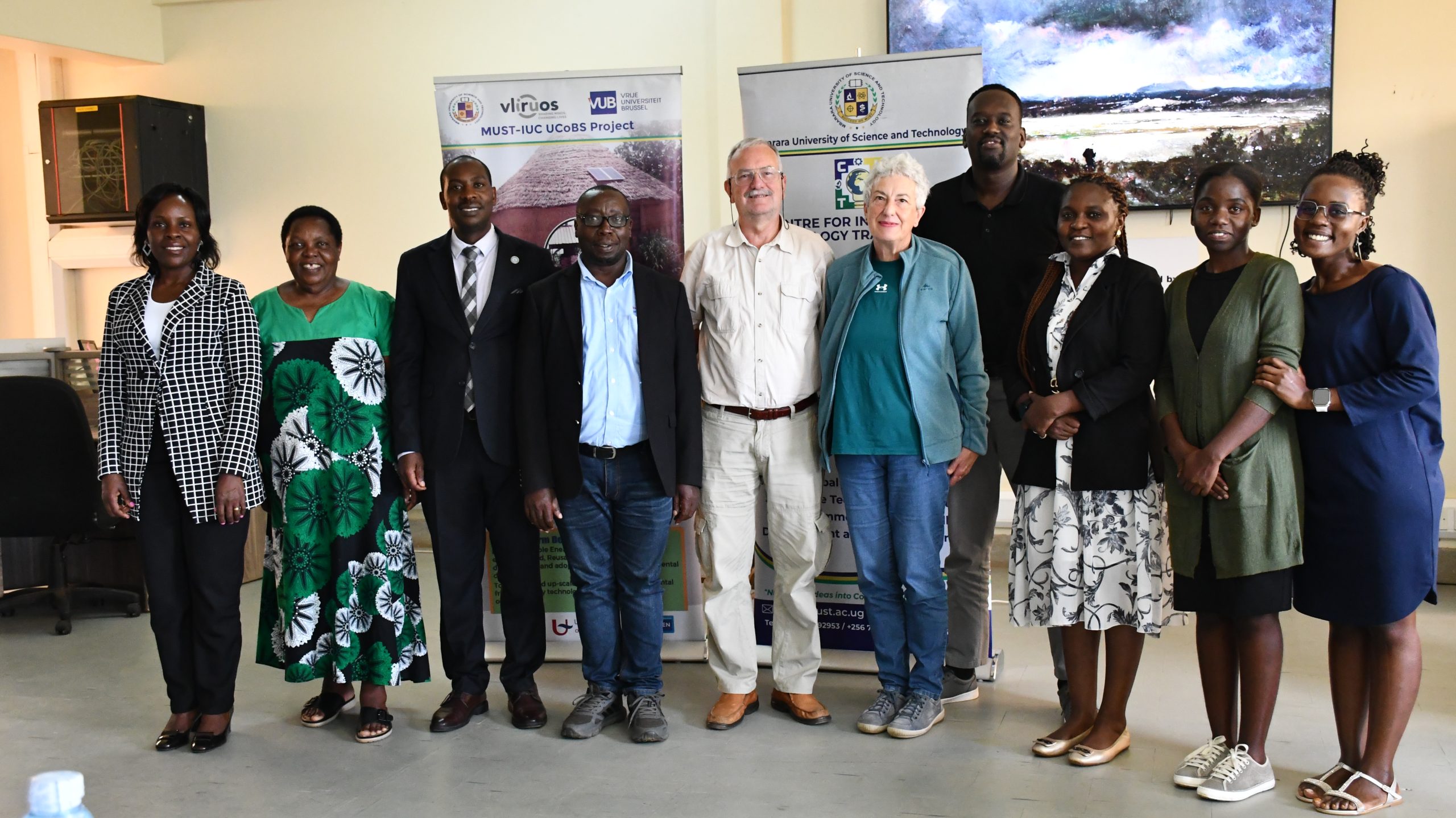
On the left, a group photo of Prof. Italo and subproject 5 members
Uganda registers more than 28,000 new businesses annually, yet almost 47% close before their fifth year, a reality that highlights the urgent need for practical, long-term sustainability and management skills among youth and small enterprises.
To help close this gap, subproject 5 hosted Professor Italo Travisan from the University of Trento, Italy, with support from VLIR-UOS. Over two weeks, Prof. Italo engaged universities, Small and Medium-sized Enterprises (SMEs), district leaders, and youth, bringing global best practices and sparking new conversations on what sustainable development truly requires at the local level.
Strengthening Universities and SMEs
The mission involved field visits to SMEs such as Redstar Wine and NUMA Feeds, where Prof. Italo and the team explored how small enterprises can integrate sustainability into their operational models. The visits revealed both promising innovation and clear gaps that need targeted interventions.
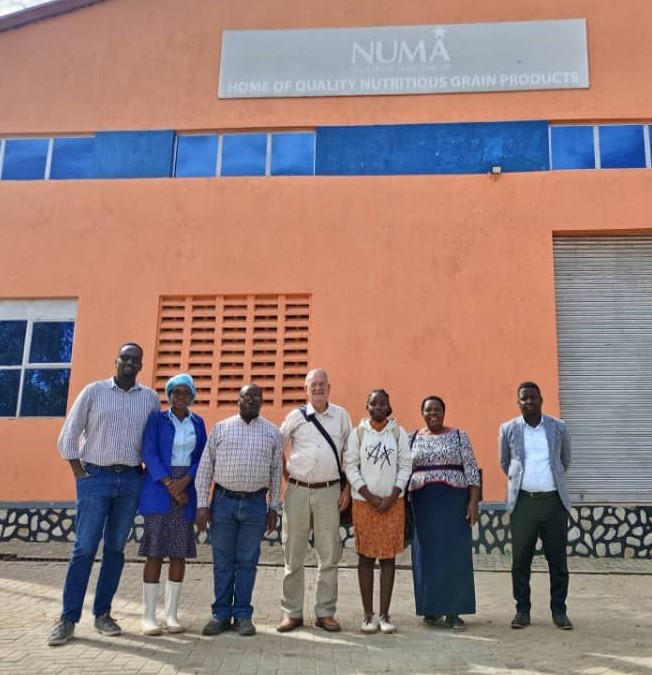
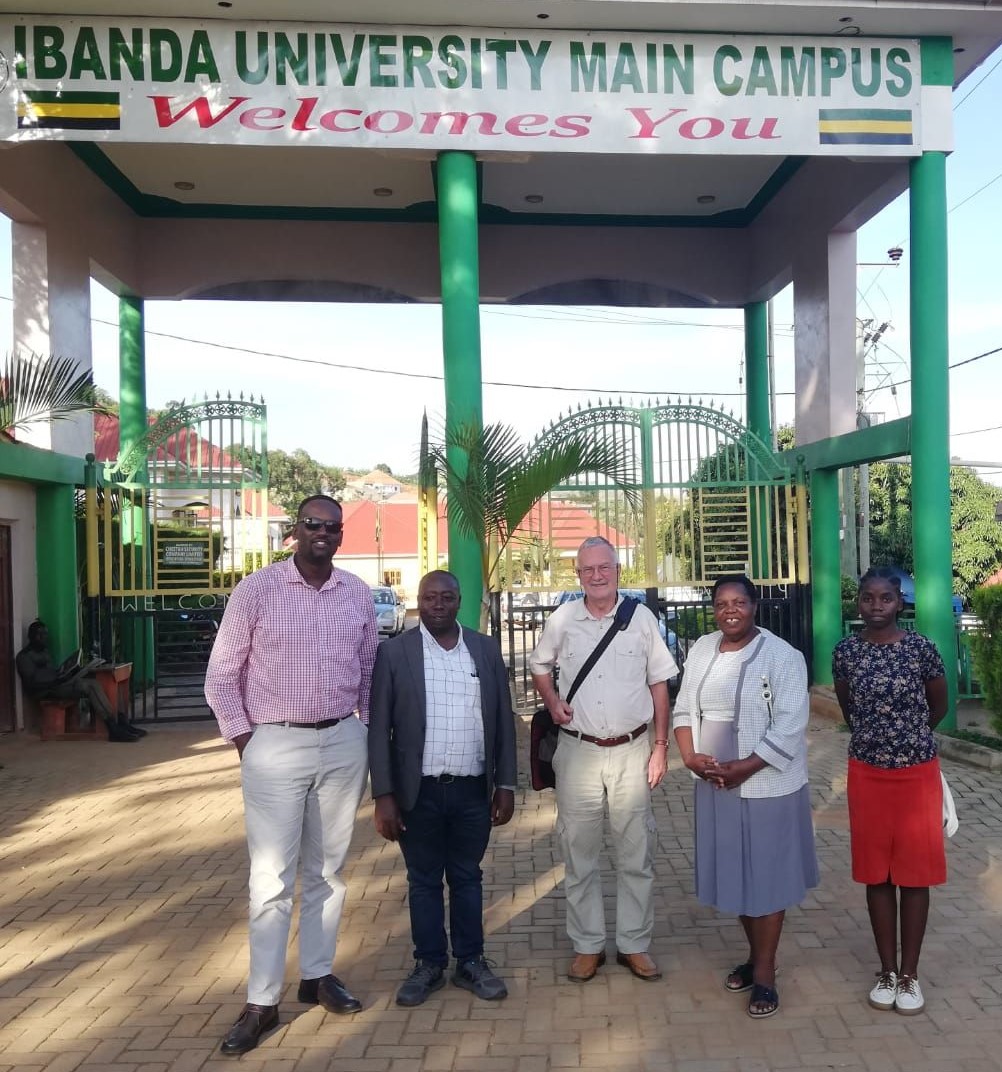
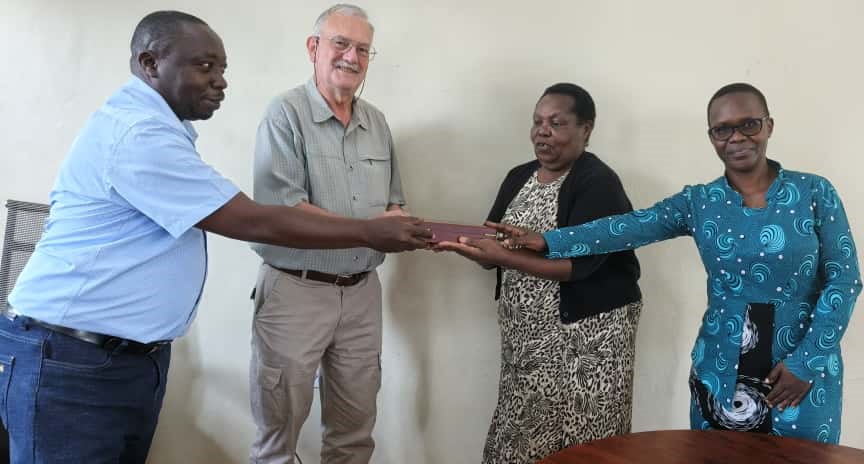
Left, right; a team with Prof. Italo at different sites during their field.
The team also assessed institutional readiness in three universities—Metropolitan International University, Ankole Western University, and Ibanda University examining curriculum gaps, management capacity, and opportunities for embedding sustainability in teaching and training.
A high-impact guest lecture at Ibanda University inspired students and faculty to rethink sustainable development from both local realities and global experiences.
A Powerful Call for Localized Action
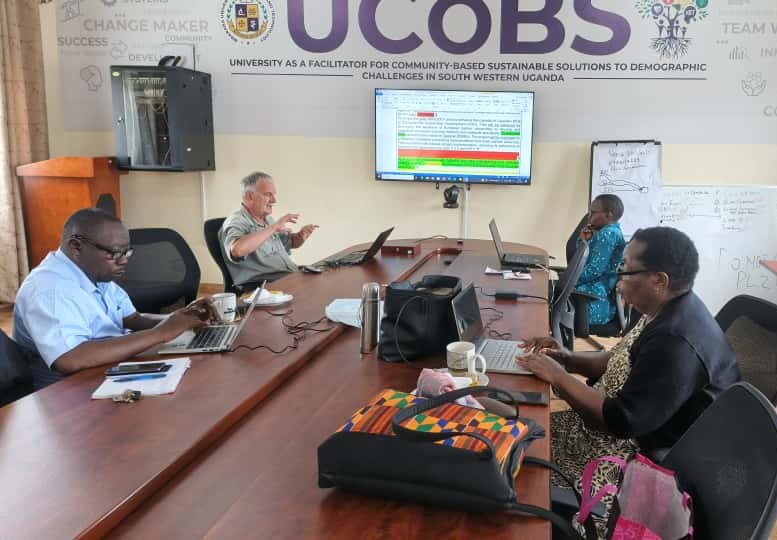
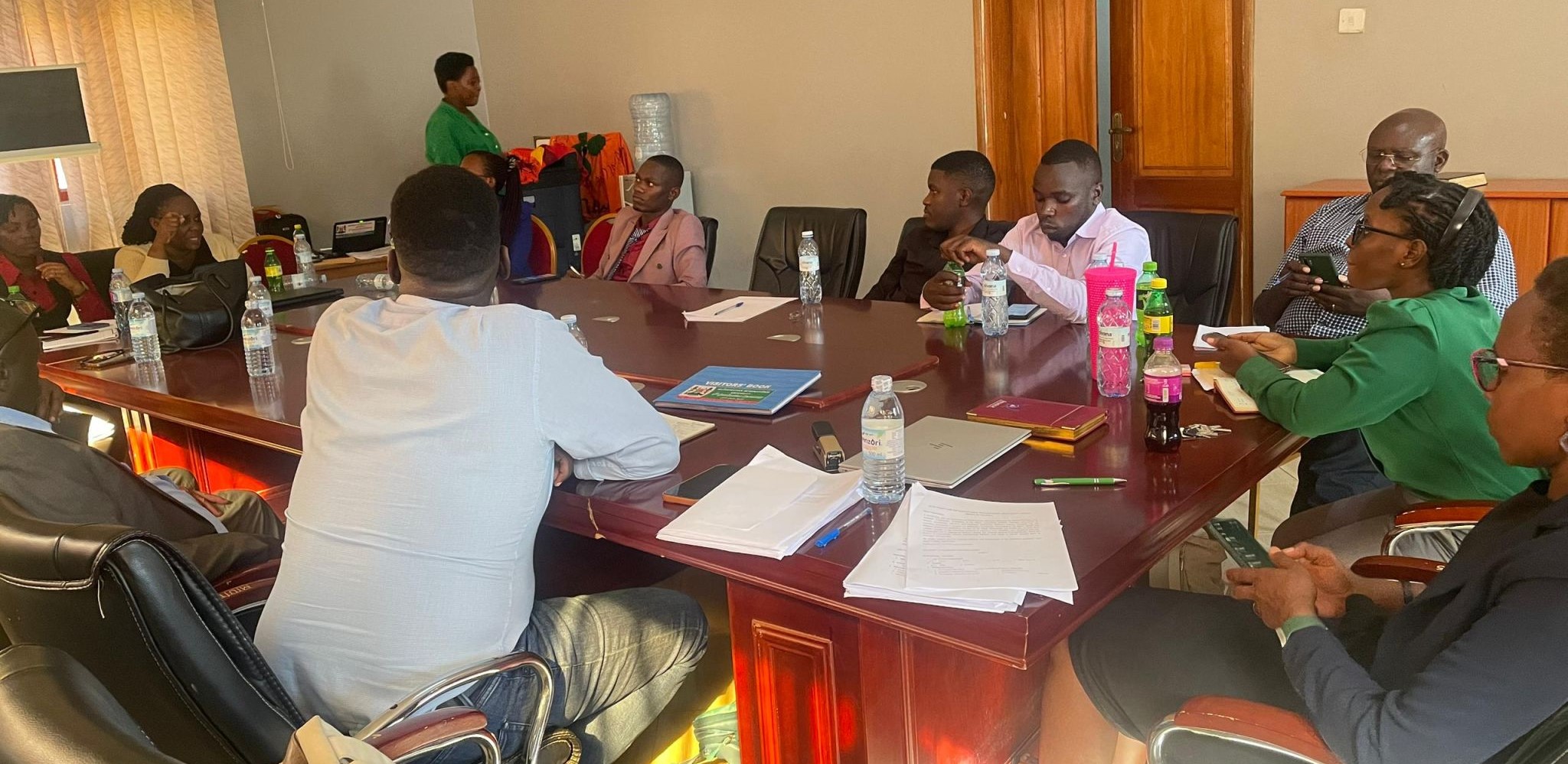
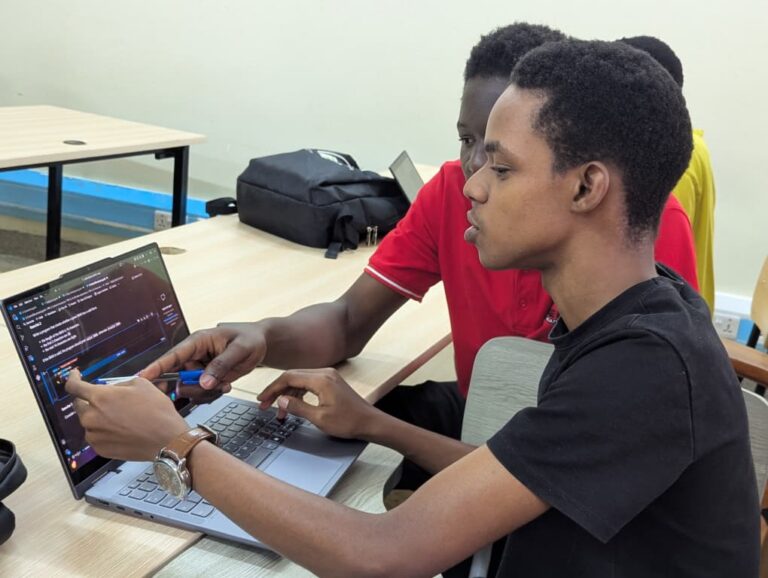
Above are photos during the writing and engagement with different teams
At the core of his engagements, Prof. Italo emphasized a compelling message
“To achieve global sustainable development, we must first build strong, equitable, and sustainable systems at the local level.”
This aligns firmly with subproject 5’s mandate of strengthening youth employability. Over the past three years, subproject 5 has trained more than 1,000 young people through skilling, innovation programs, and experiential learning. Sustainable management is the next critical step toward ensuring that youth-led enterprises thrive, scale, and create lasting social, economic, and environmental benefits.
Appreciation
Sincere appreciation to Mbarara District and city leadership, partner universities, SME owners, the dedicated subproject 5 team members, VLIR-UOS for funding, and Professor Italo for his passion, expertise, and commitment to building stronger systems for a sustainable future.