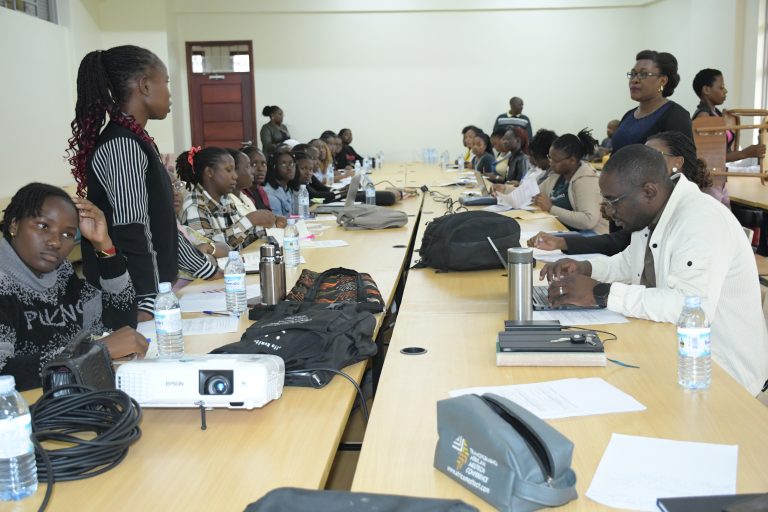
On October 21, 2025, the MUST–IUC UCoBS Programme convened a high-level stakeholder engagement workshop at the Conservation Education Centre in Lake Mburo National Park. The meeting brought together the Uganda Wildlife Authority (UWA), representatives from Kiruhura and Isingiro Districts, officials from the Ministry of Water and Environment, project scholars from Mbarara University of Science and Technology (MUST), and members of the Ankole Cow and Cultural Conservation Association (ACCCA). This gathering served as a platform for sharing emerging research findings and strengthening multi-sector collaboration for sustainable management of the Lake Mburo and River Rwizi ecosystems.
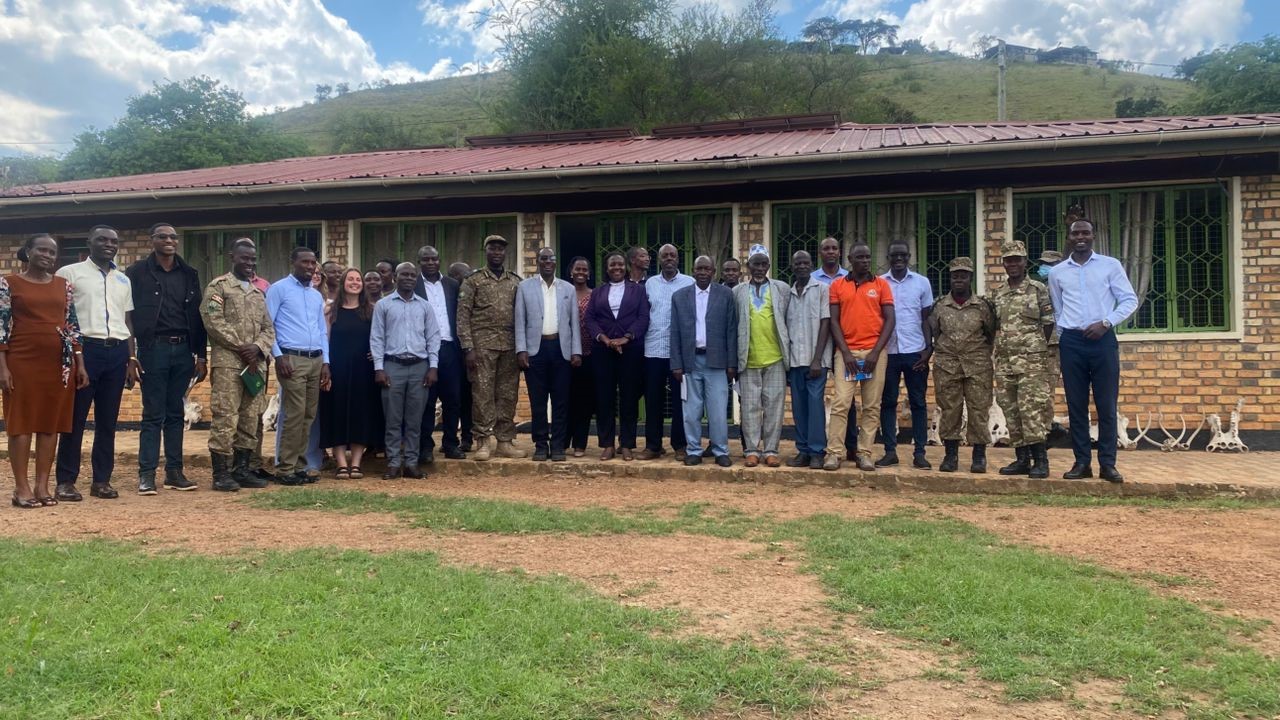
Group photo moment after the workshop
Setting the Stage for Collaborative Conservation
Dr. Medard Twinamatsiko, team leader of the UCoBS program, opened the workshop by outlining the project’s vision of promoting community-based solutions to demographic and livelihood challenges, especially those linked to natural resource management. He underscored the importance of strong partnerships between academia, government agencies, and local communities, emphasizing that conservation success depends on joint action and evidence-driven decision-making.
Insights from the Uganda Wildlife Authority
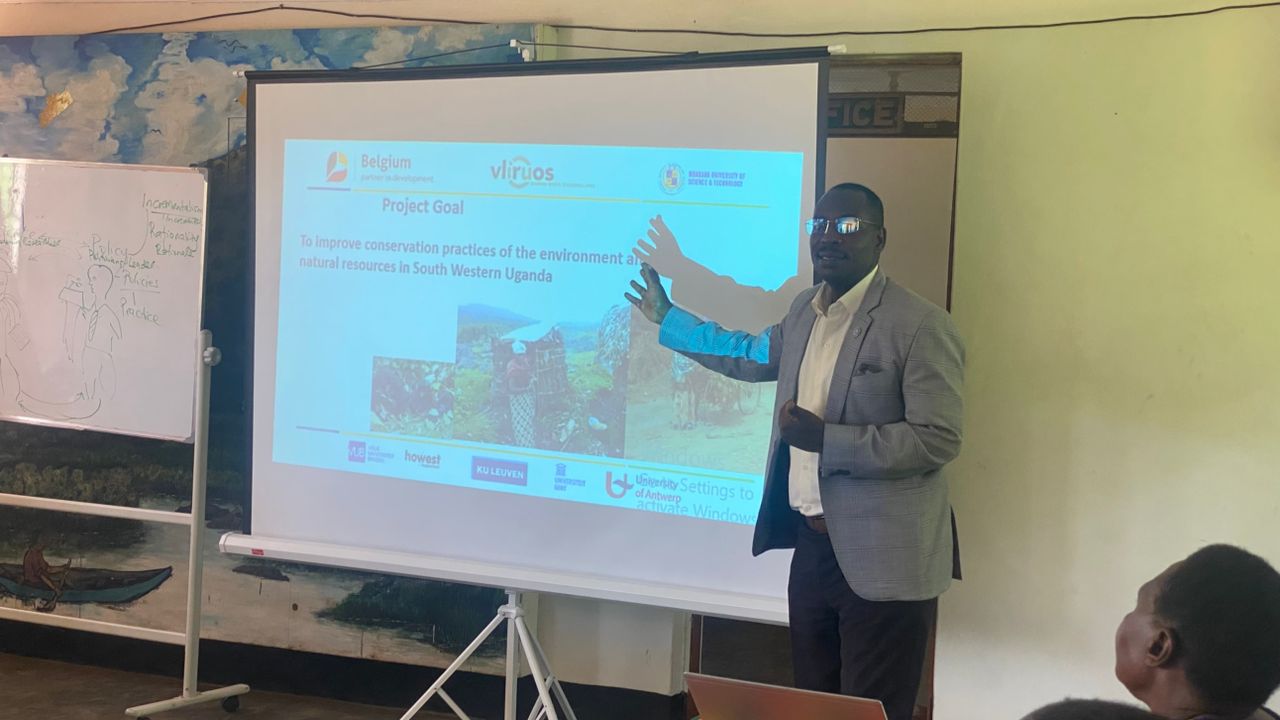
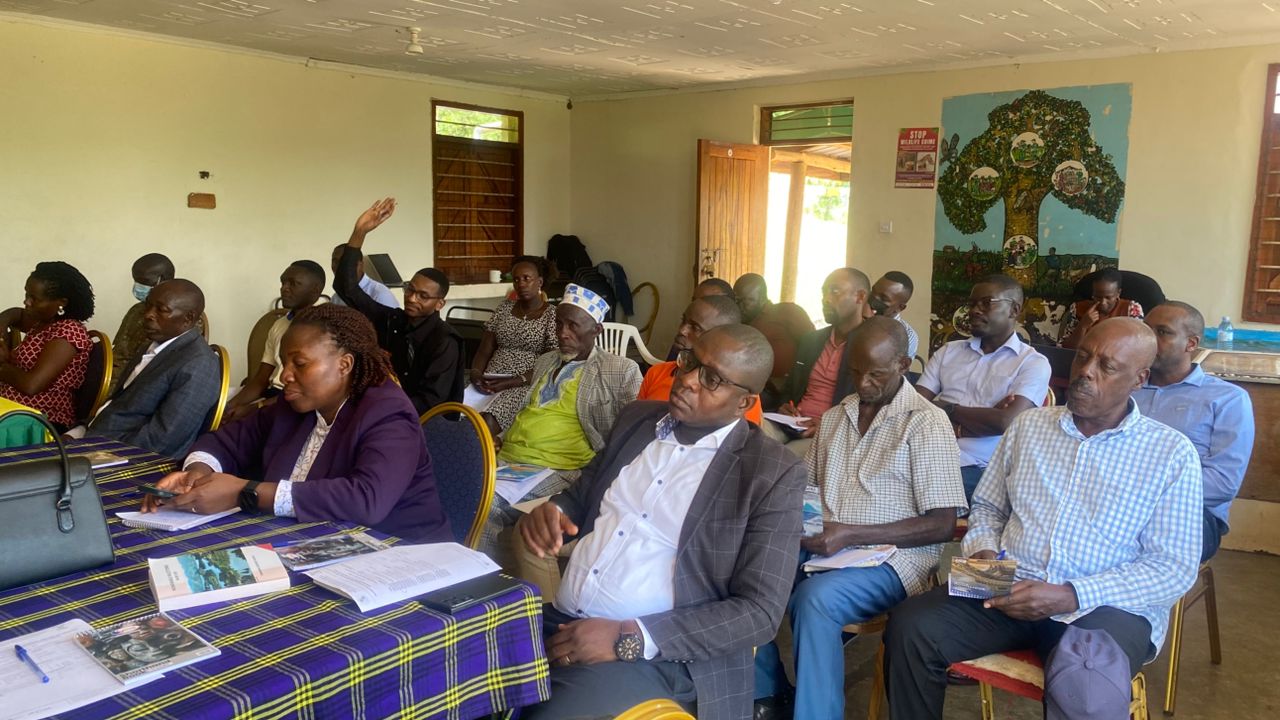
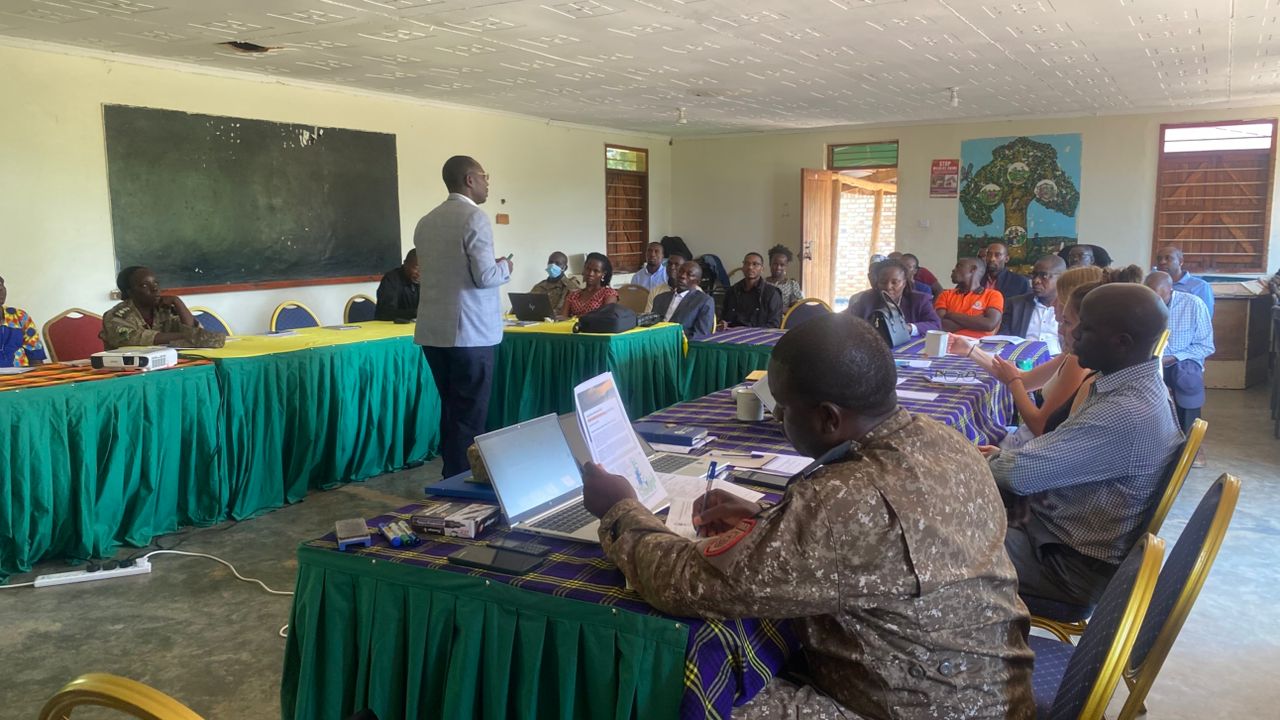
Dr. Medard during his opening remarks
In his welcome remarks, the chief warden of Lake Mburo National Park, Mr. Elia Kisame, commended the scholars for their research efforts. He noted that the data being generated is vital for guiding conservation priorities, especially in addressing persistent water shortages for wildlife. He highlighted ongoing UWA initiatives to construct dams and pump water closer to wildlife habitats—an effort aimed at reducing animal movements into community areas in search of water.
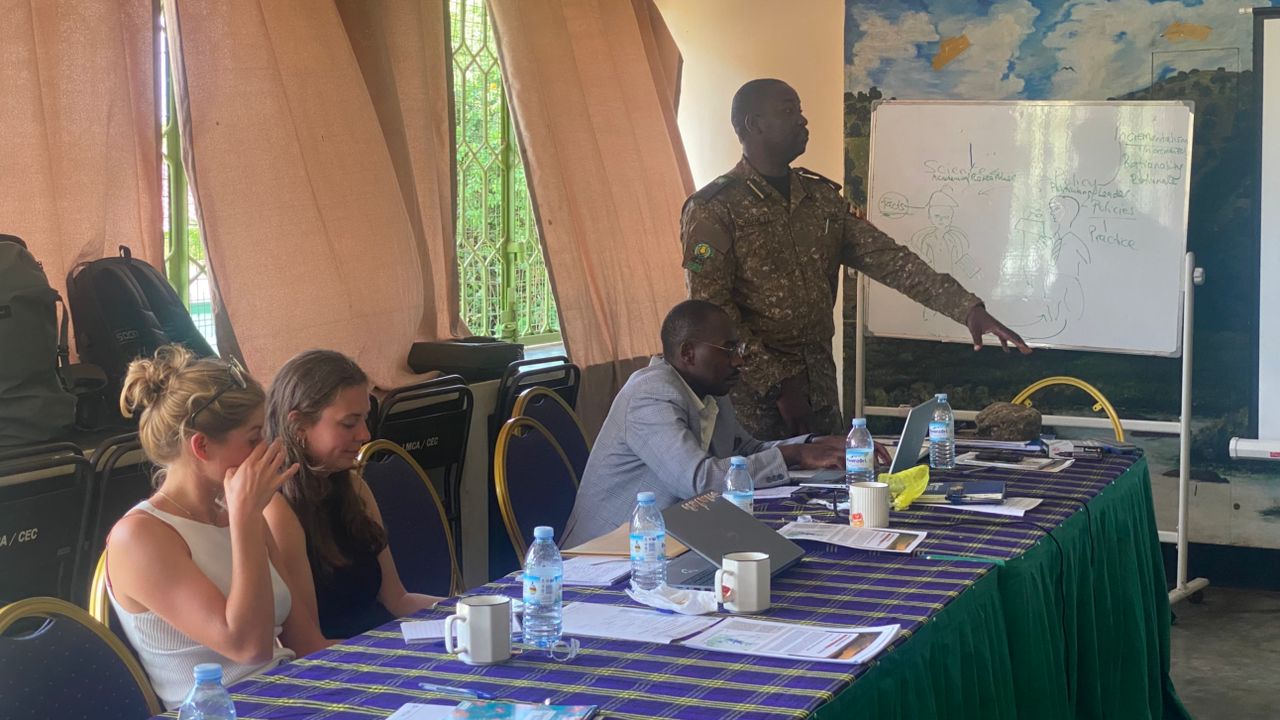
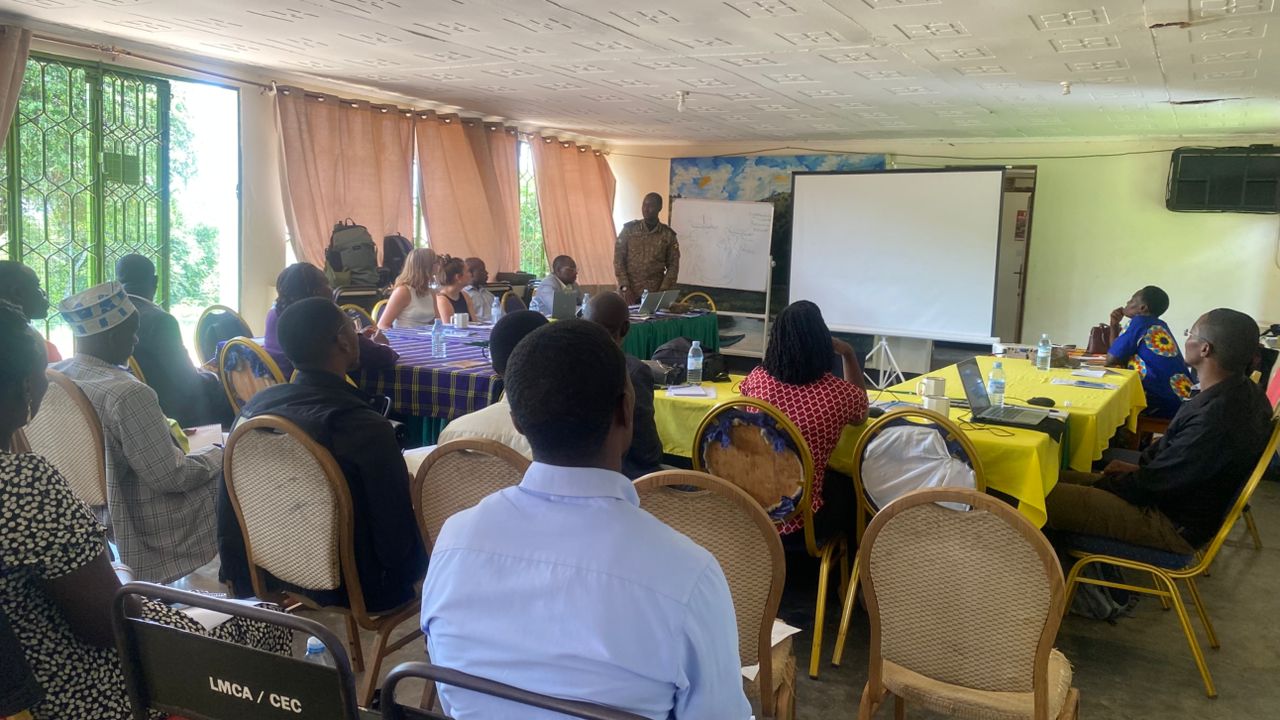
The Chief Warden Mr. Elia Kisame during his welcome remarks
Research Findings: Wetlands, Wildlife, and Water Quality
Project scholars shared key findings from three major research streams:
1. Wetland Dynamics and Land Use Change
Using Landsat (1995–2025) and Sentinel (2016–2025) imagery, scholars presented evidence of notable ecological changes in the Lake Mburo sub-watershed. Their analyses revealed significant wetland degradation and shifts in land cover—raising concerns about water regulation, biodiversity, and long-term ecosystem resilience.
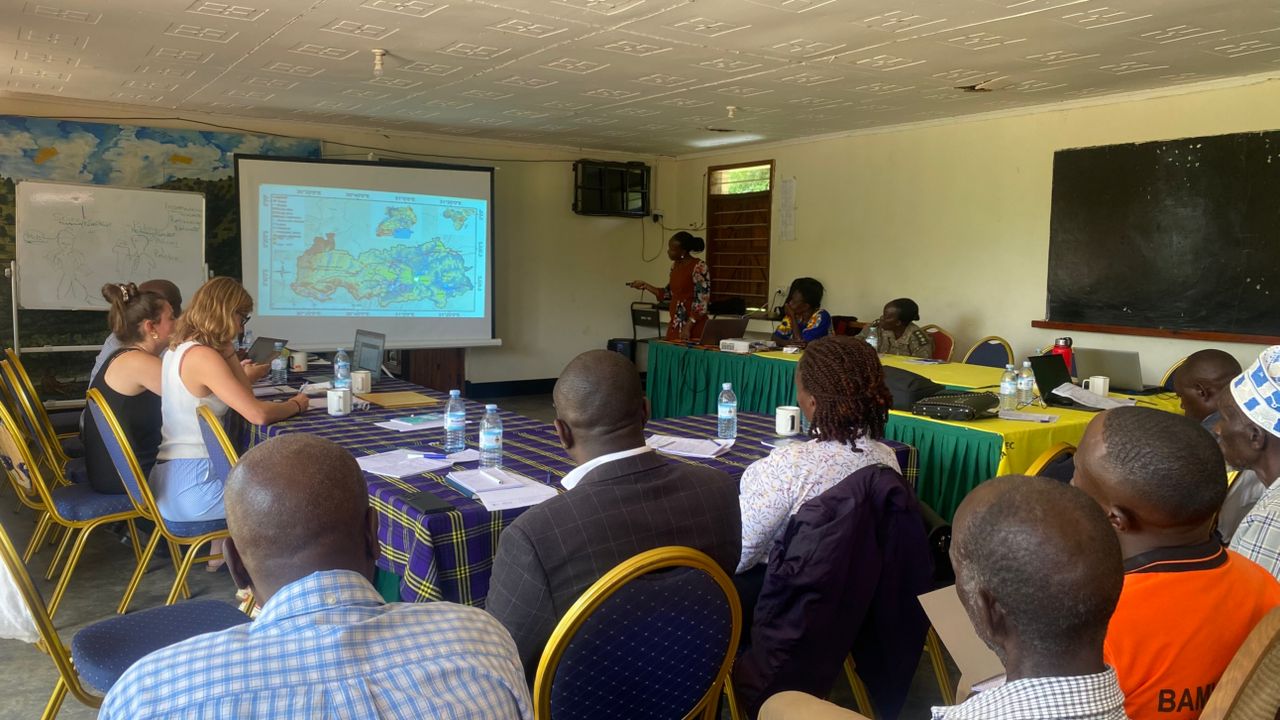
Patience Ayesiga presenting finds from the wetland ecosystems
2. Human–Wildlife Conflict Monitoring
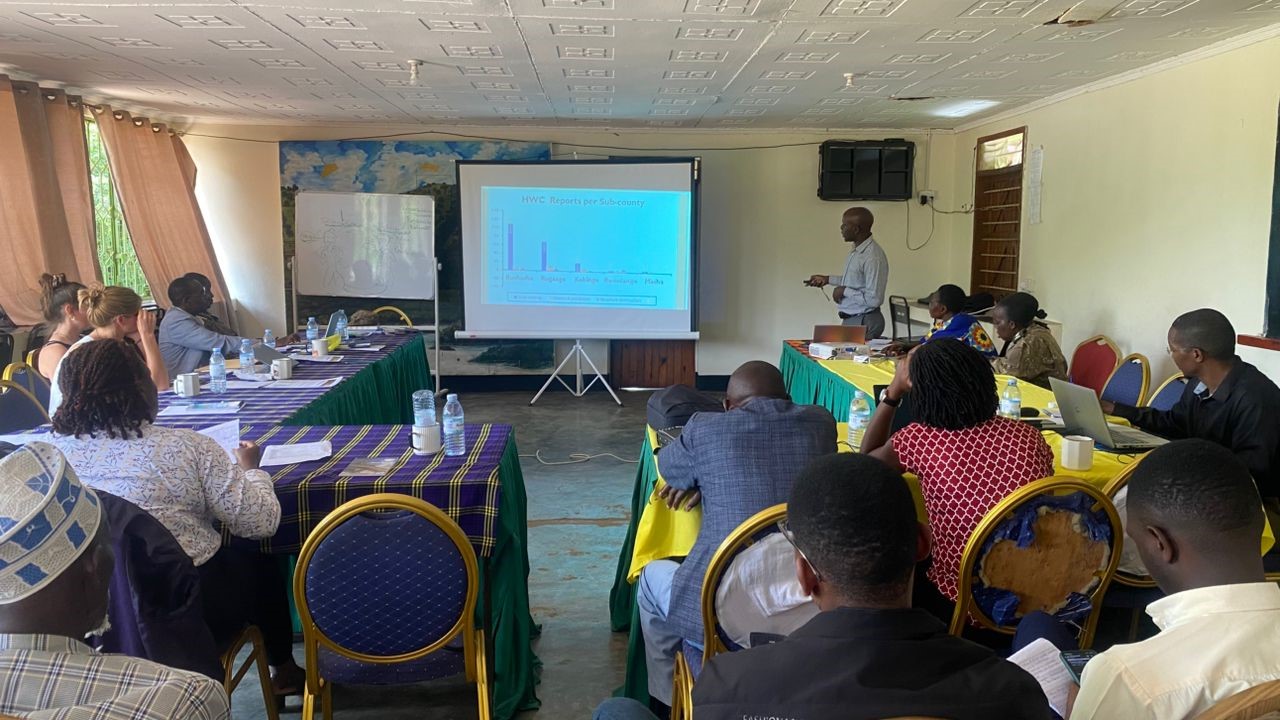
Findings from a citizen science–led monitoring initiative showed that crop raiding and livestock predation remain the most common conflicts in Isingiro and Rushasha subcounties. Beans, maize, bananas, millet, and sweet potatoes were the most affected crops, with baboons, monkeys, and crocodiles responsible for most incidents.
While citizen scientists provided strong photographic evidence and accurate GPS points, the workshop identified the need for more training to improve form completion and measurement precision.
Above, Rogers Tinkasimire presenting the Human-Wildlife Conflicts findings
3. Water Quality and Hydrological Monitoring
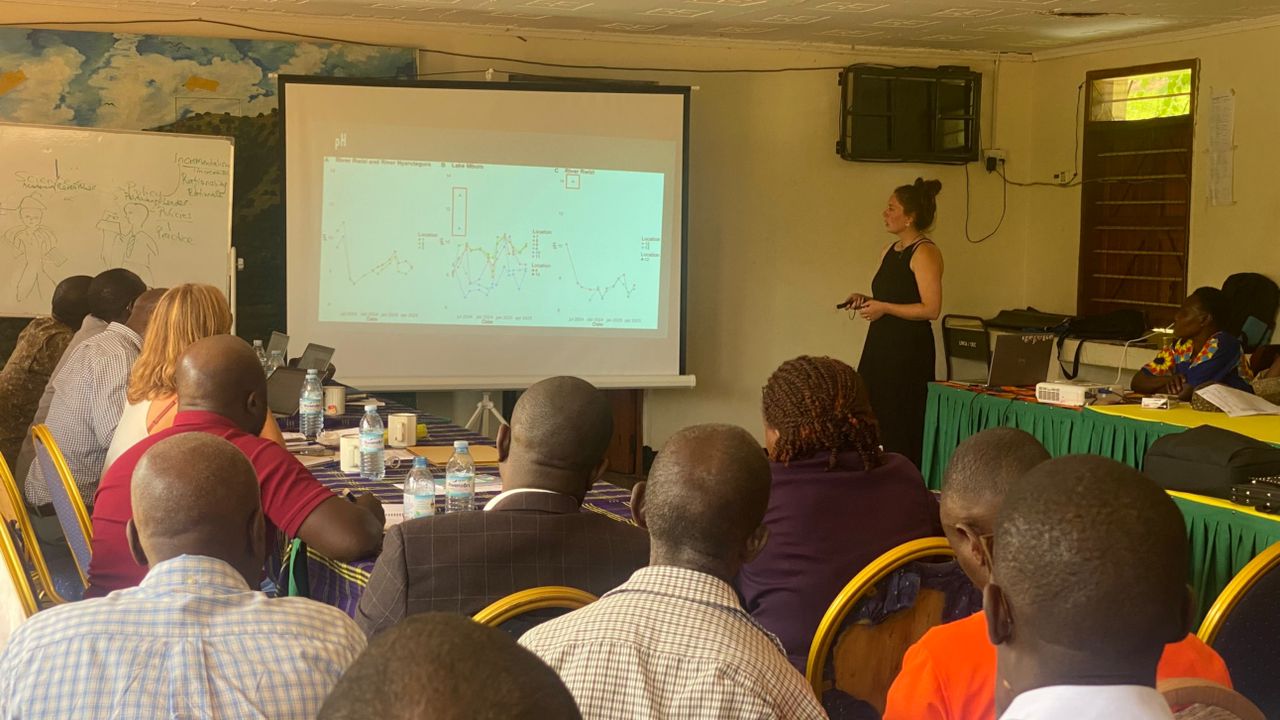
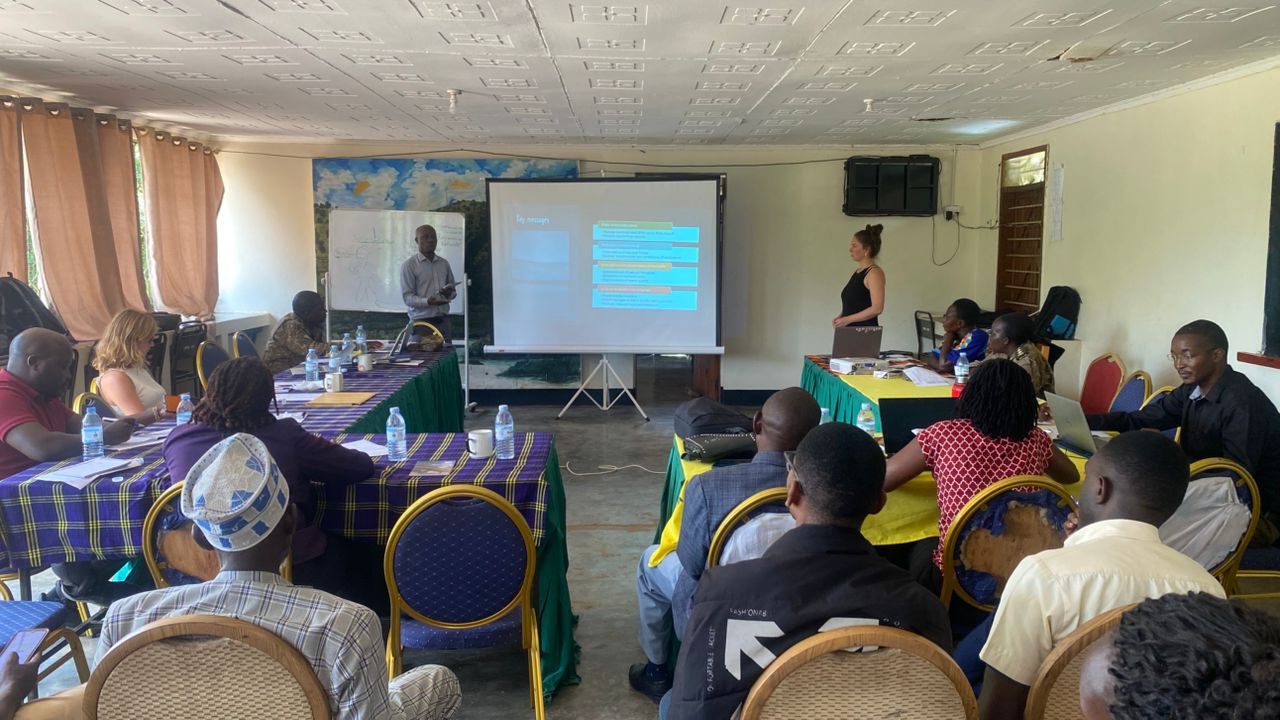
Guilia presenting the water quality and hydrological findings
Preliminary assessments from the River Rwizi catchment highlighted stress factors linked to land use change—resulting in poor water quality and declining ecosystem services. Scholars documented degraded wetlands, increased pollution, and reduced water flow levels in the dry season.
Policy Brief Findings
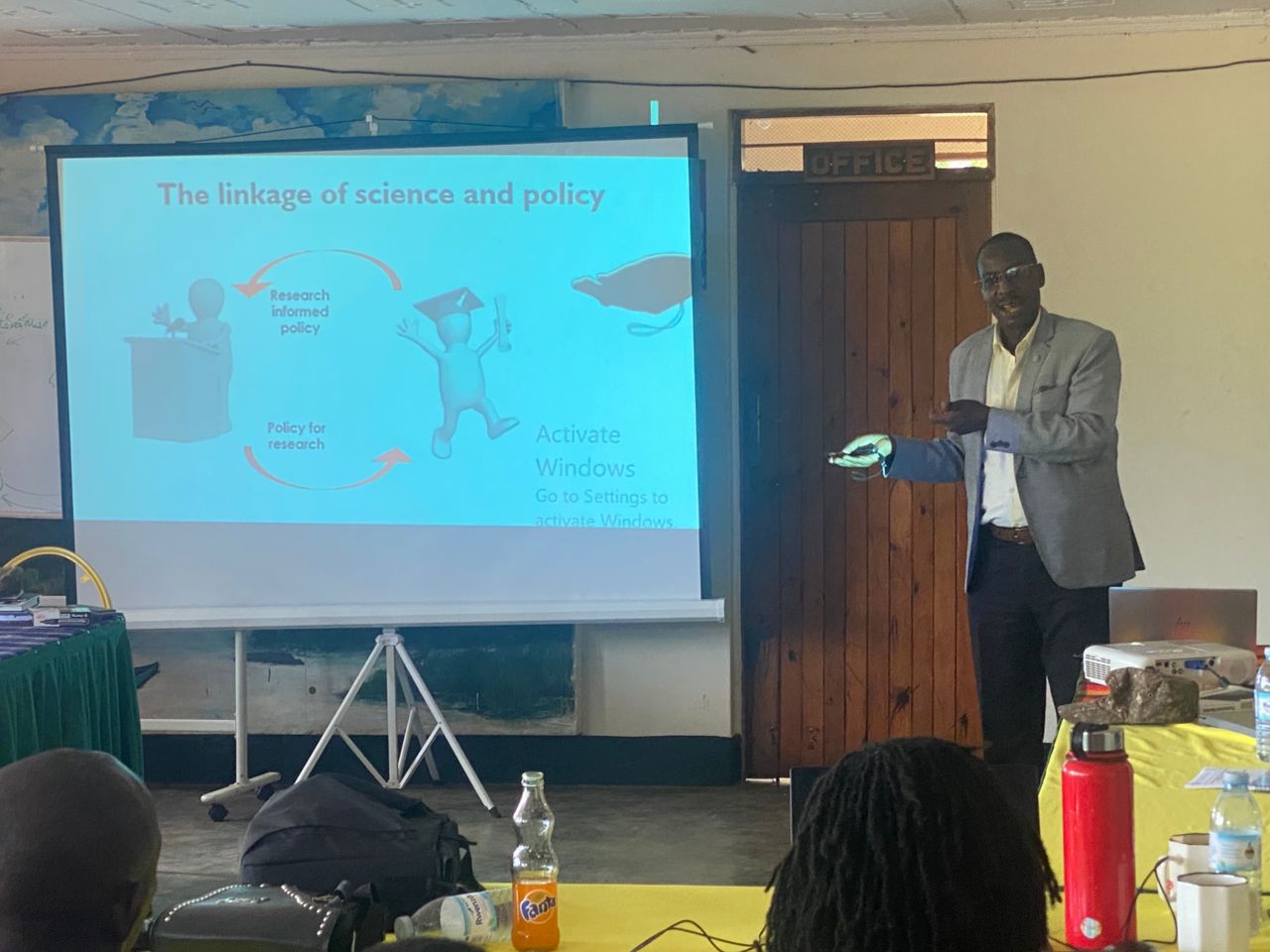
Dr. Medard presented the policy brief on Lake Mburo National Park Water Quality and Hydrological Monitoring (April 2024–April 2025), prepared in partnership with the University of Antwerp.
The study documented high turbidity and eutrophication in parts of Lake Mburo
-
Persistent low oxygen levels in several sections
-
Recurring spikes of nitrogen and phosphorus
-
Near-zero river flows during dry seasons
-
High suspended particulate matter in upstream sites and strong filtering capacity in downstream wetlands
Above, Dr. Medard Presenting the policy brief
The brief recommended targeted wetland restoration, nutrient input management, and long-term monitoring to secure the health of the watershed.
Stakeholder Reflections and Commitments
Stakeholders praised the participatory approach of integrating citizen scientists into data collection. District officials and UWA representatives emphasized the need to institutionalize the model within national conservation reporting systems. The Ministry of Water and Environment welcomed the research-policy linkages, noting alignment with national environmental governance priorities.
ACCCA representatives applauded the UCoBS program for strengthening community engagement and fostering a shared conservation agenda.
Closing Remarks: A Shared Vision for the Future
Chief Warden Kisame reaffirmed UWA’s commitment to working with both MUST and local communities surrounding Lake Mburo National Park to address recurring conservation challenges. He highlighted the link between water scarcity and rising human-wildlife conflicts, emphasizing that evidence from this workshop will guide future park management decisions.
Key Recommendations Moving Forward
Participants agreed on several priority actions:
-
Integrating citizen science monitoring into UWA systems nationwide
-
Expanding training and technological support for community monitors
-
Establishing early warning systems for emerging conflict hotspots
-
Extending research to include conflicts within the park
-
Accelerating wetland restoration to improve water quality
-
Strengthening partnerships between MUST, UWA, districts, and communities
The workshop reaffirmed the vital role of science-driven, community-led approaches in addressing conservation challenges. As Dr. Medard noted, “Our collective efforts bridging science, policy, and community action are shaping a future where conservation is both inclusive and impactful.”