Partnership discussions highlight progress in digital infrastructure, research data management, and ICT skills development under the UCoBS project.
From 2nd to 6th February 2026, the ICT team under the Institutional University Cooperation project at Mbarara University of Science and Technology (MUST) hosted a Flemish delegation as part of the UCoBS sub-project 6 titled “Institutional and Community ICT Capacity to Access and Utilize Information.”
 The visit brought together ICT experts and project members from MUST and Flemish partner institutions to review achievements, strengthen collaboration, and plan future innovations aimed at enhancing digital infrastructure and information access at the university.
The delegation was led by Flemish team leader Rudy Gevaert and worked closely with the local sub-project 6 team led by Fred Kaggwa. The engagements focused on strengthening research data management systems, improving ICT infrastructure, and expanding opportunities for digital innovation within the university and the wider community.
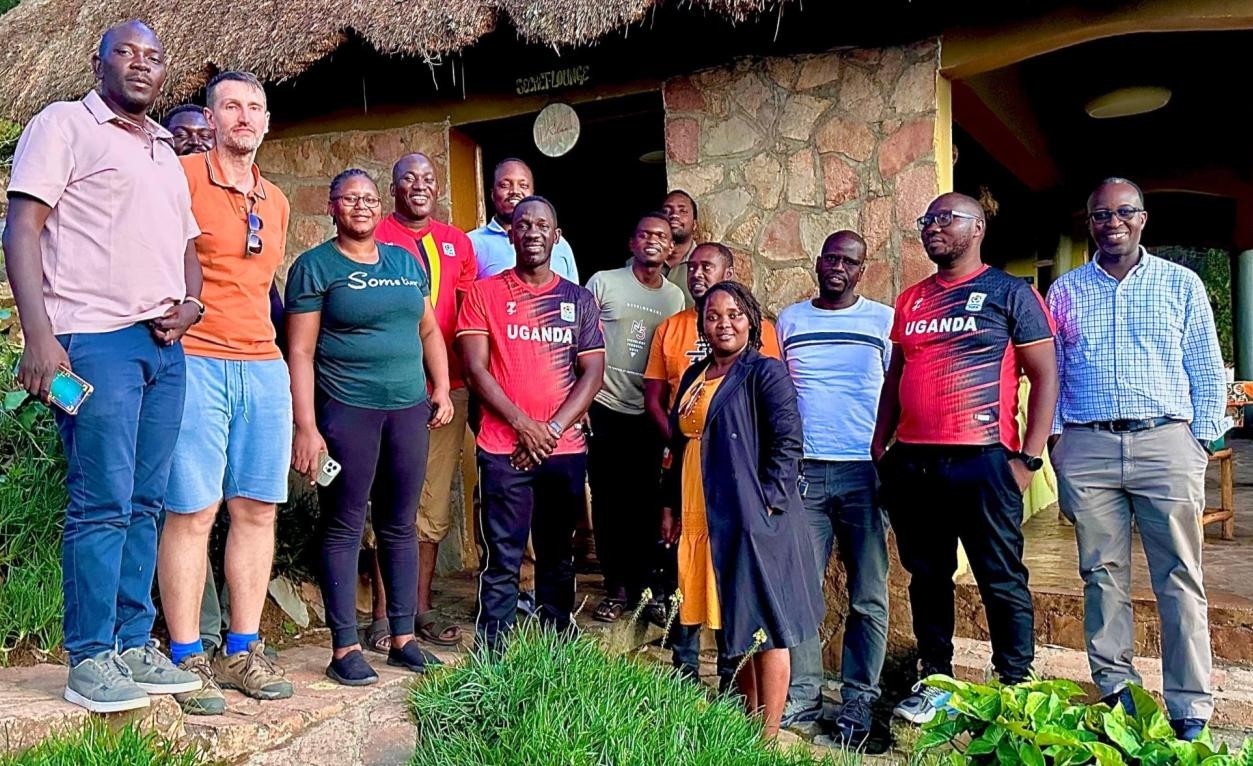
Above, the group photo was taken after team building.
Reviewing Progress and Strengthening Collaboration
The visit began with a local steering committee meeting held at the UCoBS offices at MUST. During the meeting, sub-project teams presented updates on activities implemented during the first quarter of the activity period.
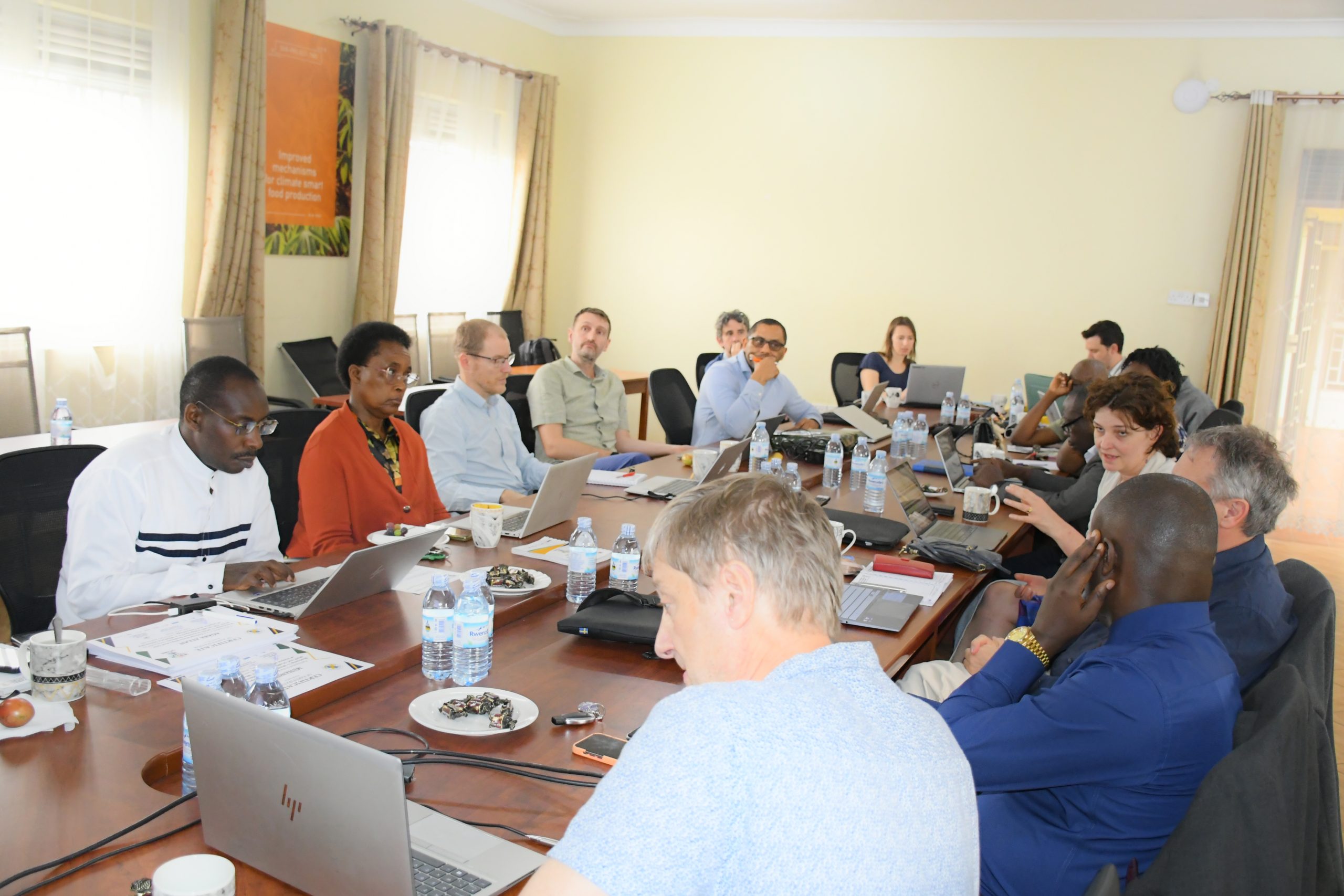
The discussions highlighted achievements in ICT infrastructure development, staff and student training, and collaboration with other sub-projects within the UCoBS program.
Several capacity-building initiatives were highlighted, including the Design Sprint Camp held in August 2024, which trained 40 interdisciplinary participants in human-centered design and innovation practices. Additional data science training sessions involving 25 participants focused on research data management, artificial intelligence, and digital governance.
Outreach programs aimed at promoting ICT skills among secondary school students were also conducted in 2025, reaching more than 260 learners, with a strong emphasis on encouraging female participation in technology-related fields.
Expanding ICT Infrastructure and Digital Services
A major focus of the visit was reviewing the progress made in strengthening the university’s ICT infrastructure through the UCoBS partnership.
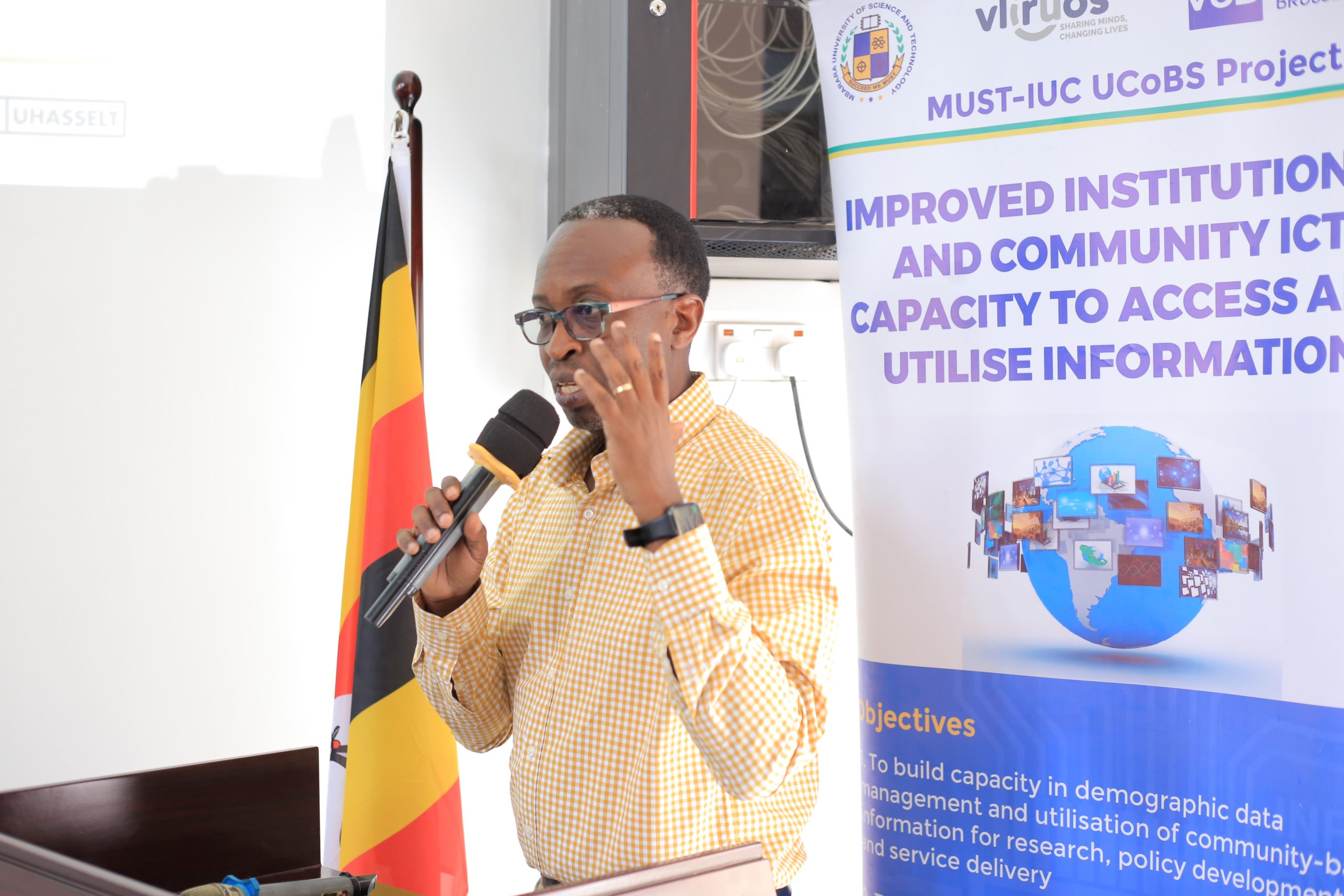

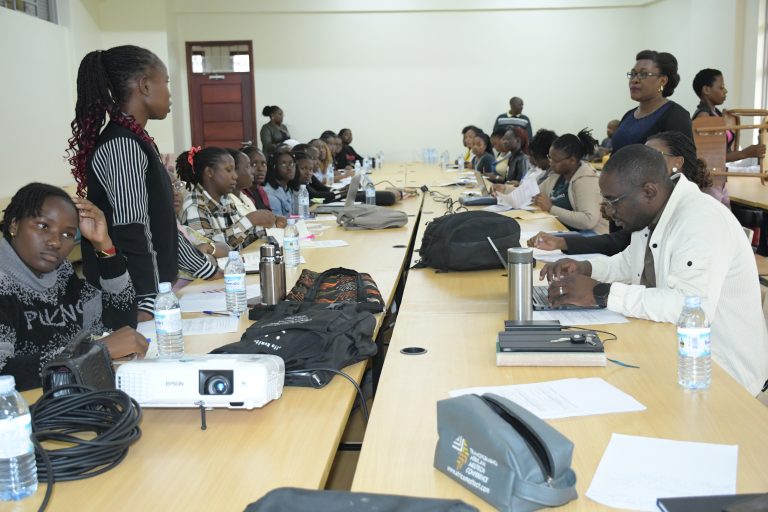
Mr. Amos Baryashaba, the Head of ICT department, MUST presenting during the mini conference the achievements so far by subproject 6.
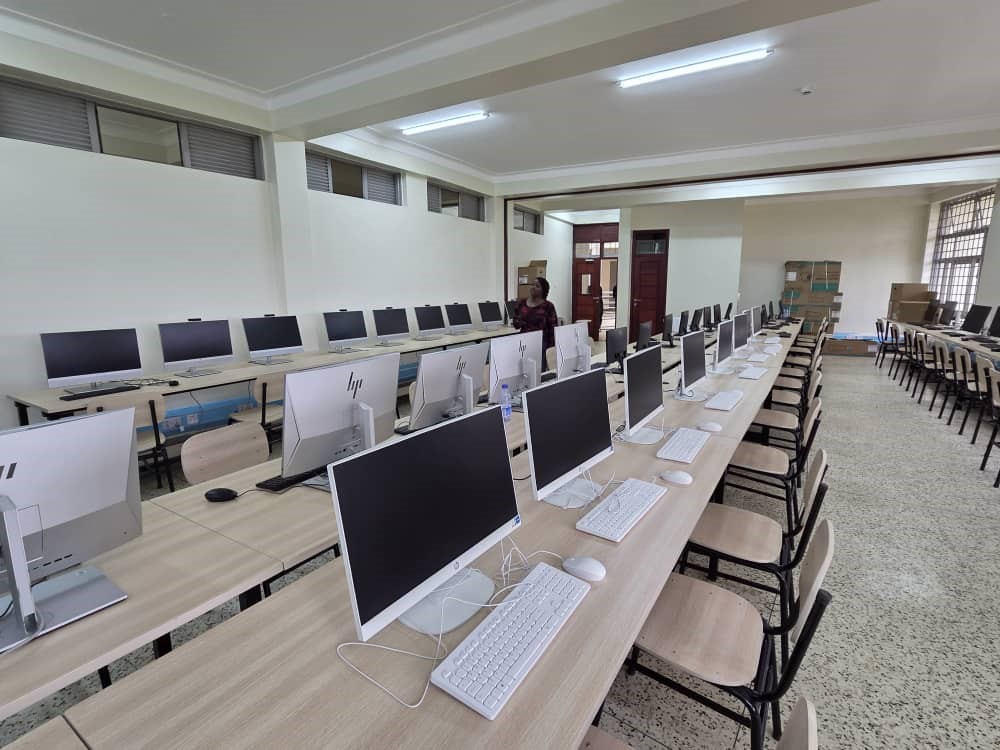
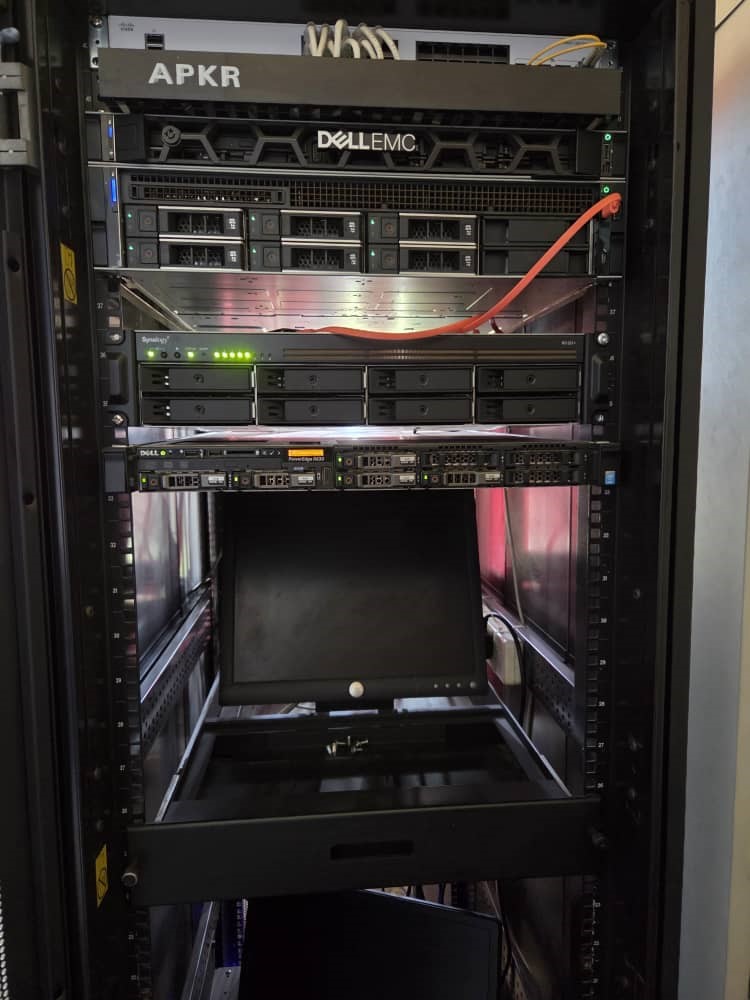
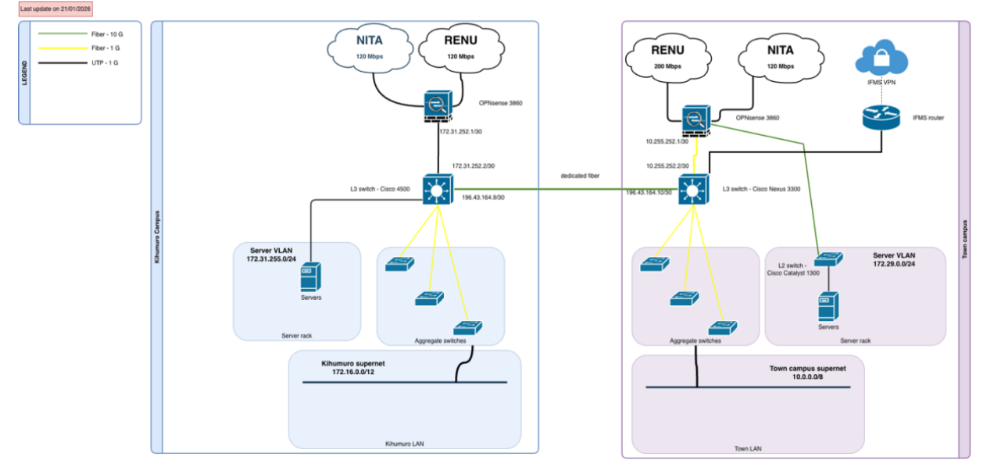
Key improvements include the installation of new servers, network firewalls, and network storage systems within the university’s data center. These upgrades have enhanced network security, improved internet traffic management, and strengthened data storage and processing capacity.
 Wireless connectivity has also been expanded through the installation of additional access points in key academic buildings, enabling improved internet access for staff and students.
Through virtualization technology, the university now operates more than 30 virtual servers, allowing multiple digital applications to run efficiently while improving system performance. Centralized backup systems and network monitoring tools have also been implemented to enhance system reliability and cybersecurity.
Supporting Research and Digital Learning
The strengthened ICT infrastructure now supports several digital platforms that facilitate teaching, research, and knowledge sharing at MUST.
These include the university’s learning management system, the institutional publications repository, and the electronic library platform, which provide researchers and students with improved access to digital learning and research materials.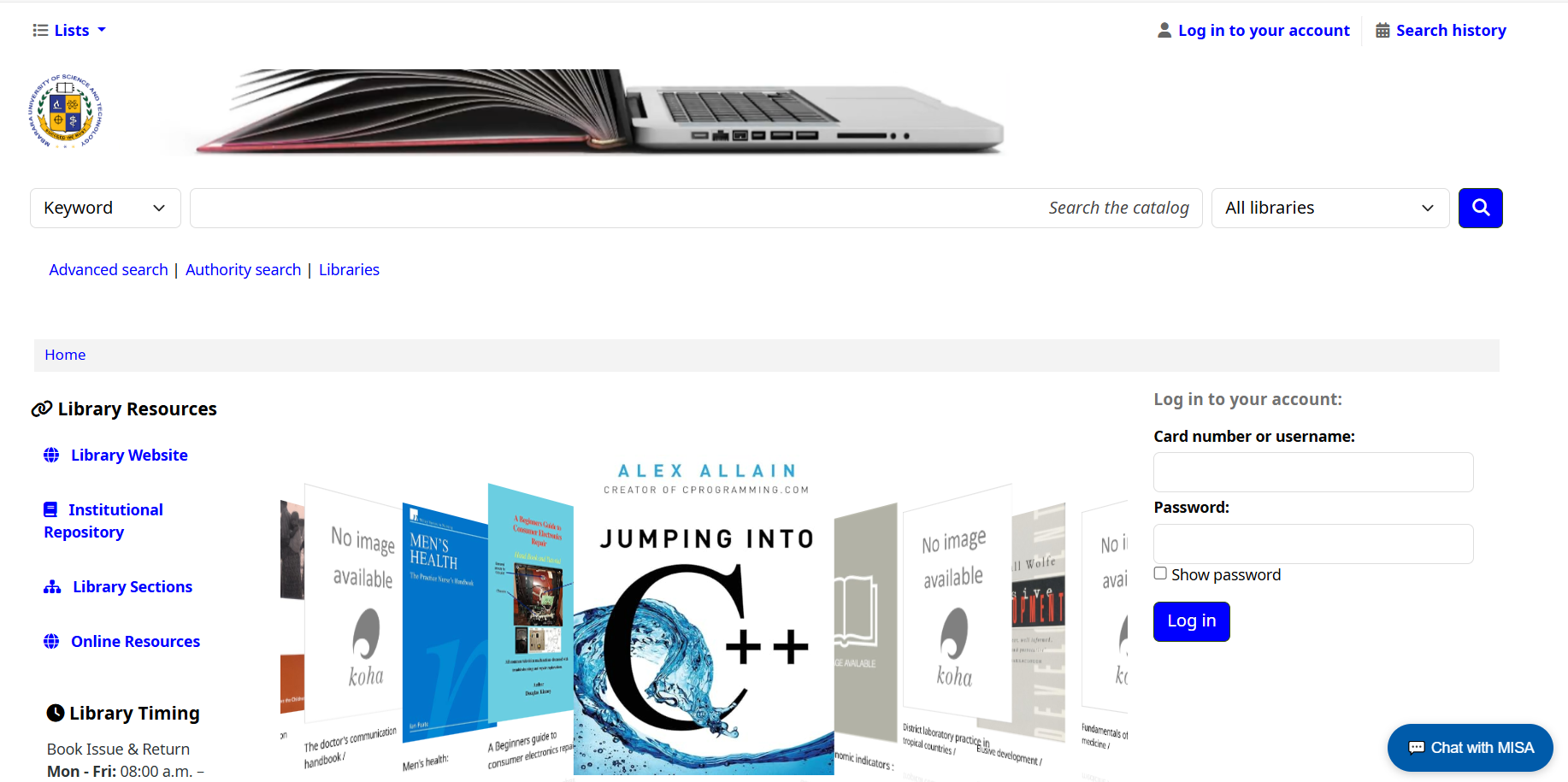
Above are some of the achievements by the ICT team.
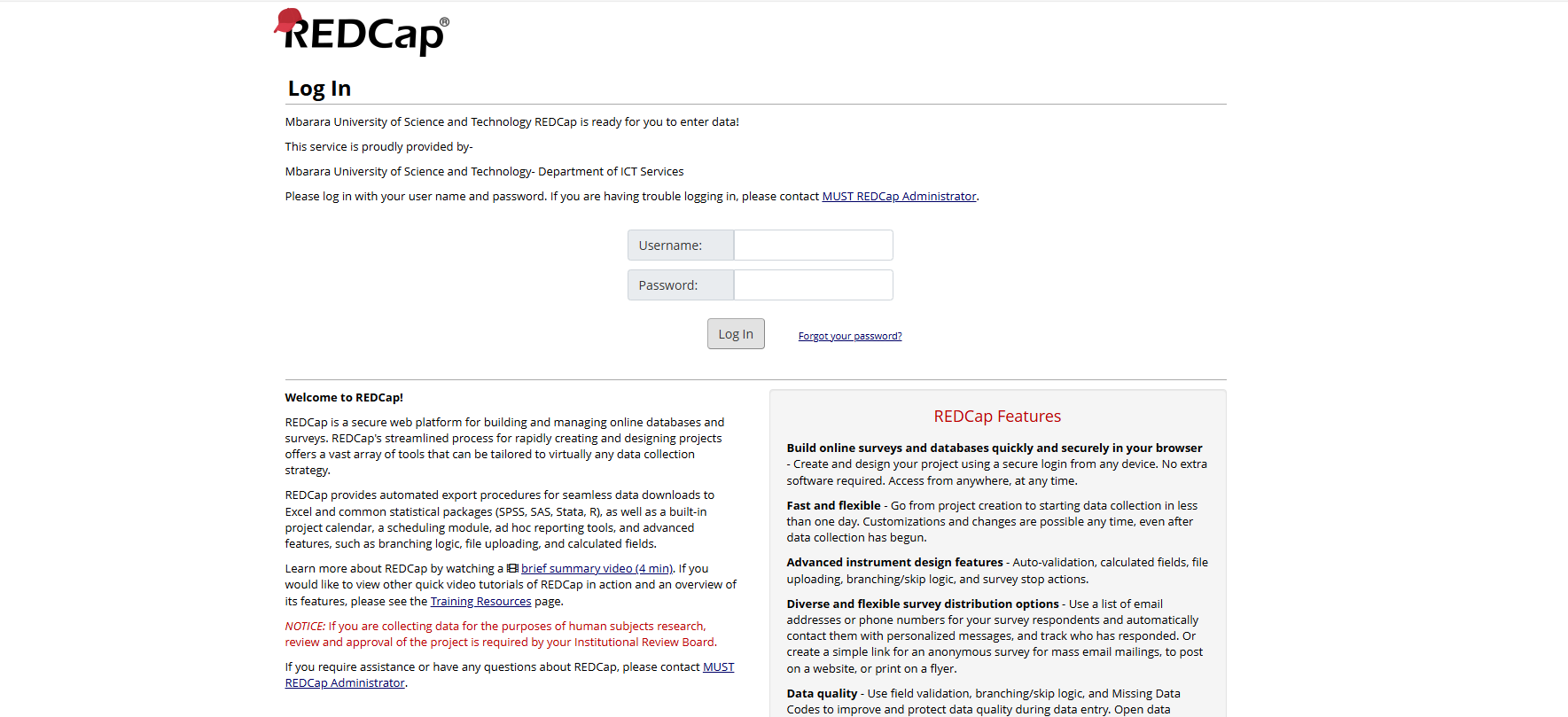
Research data management systems such as KoboCollect and REDCap have also been deployed to support academic data collection and research activities across the university.
In addition, an IT support ticket management system has been introduced to streamline technical support services and improve response times to ICT-related issues.
Strategic Planning and Future Initiatives
During a project meeting chaired by Dr. Fred Kaggwa, team members discussed several strategic priorities aimed at strengthening the ICT ecosystem at MUST.
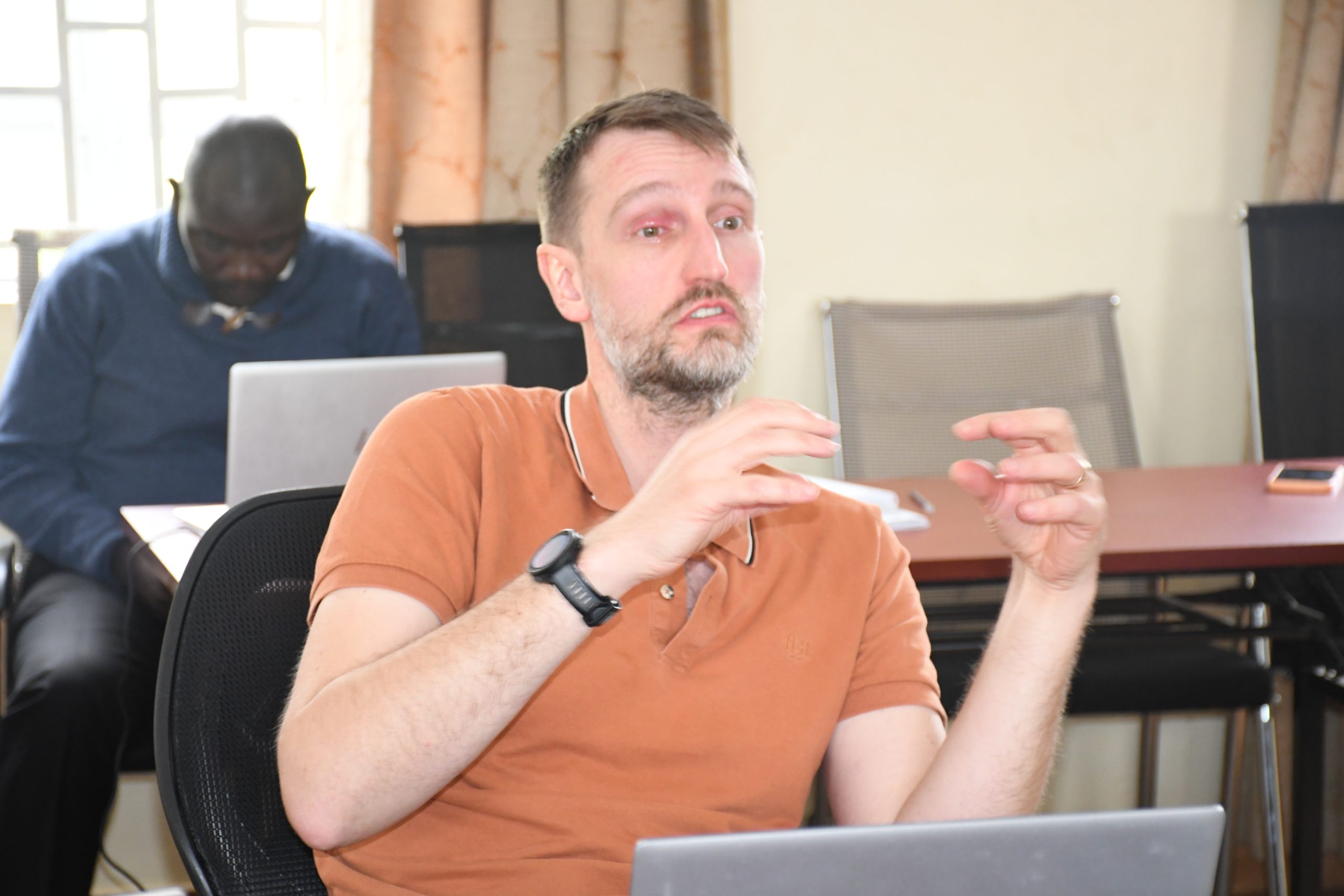
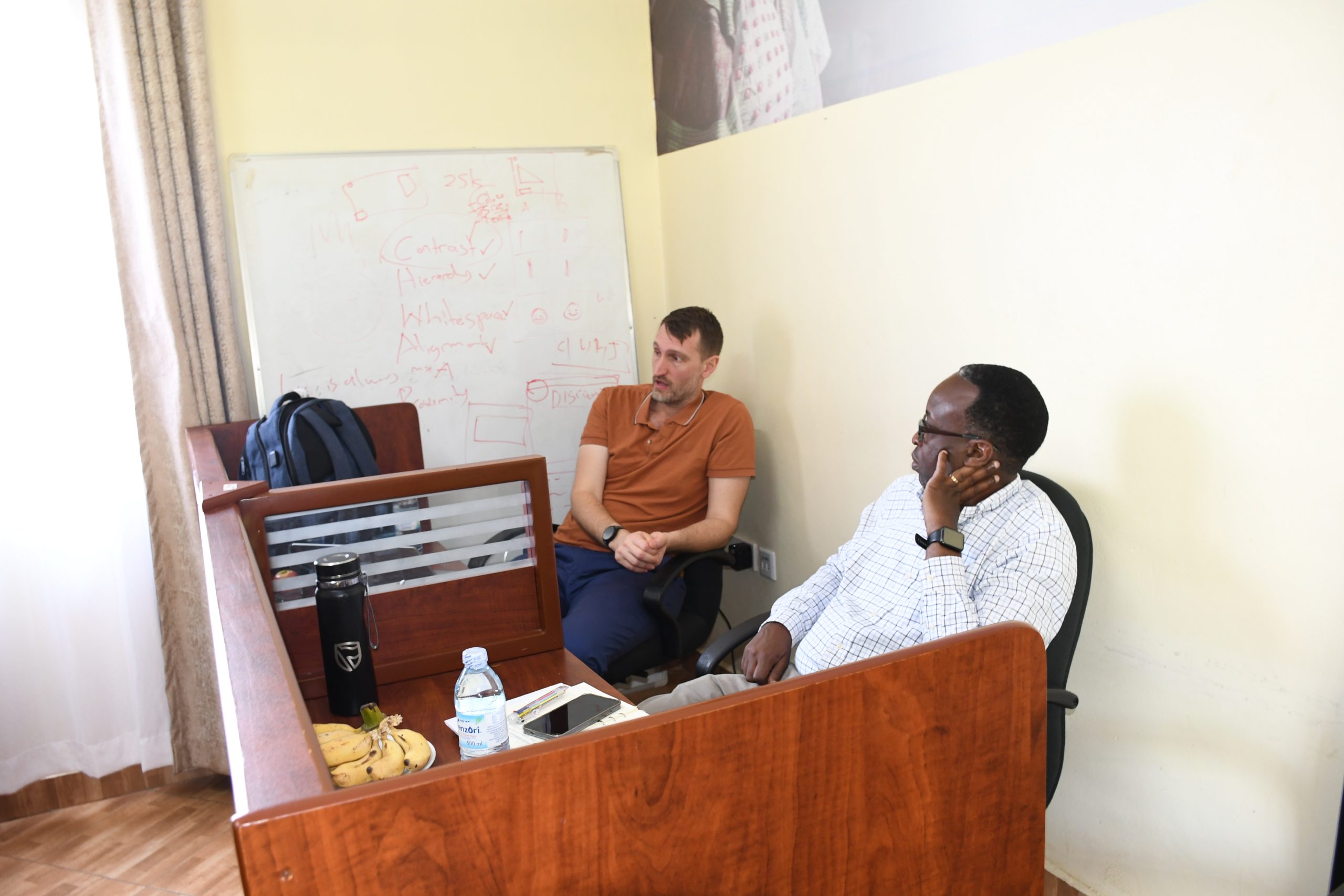
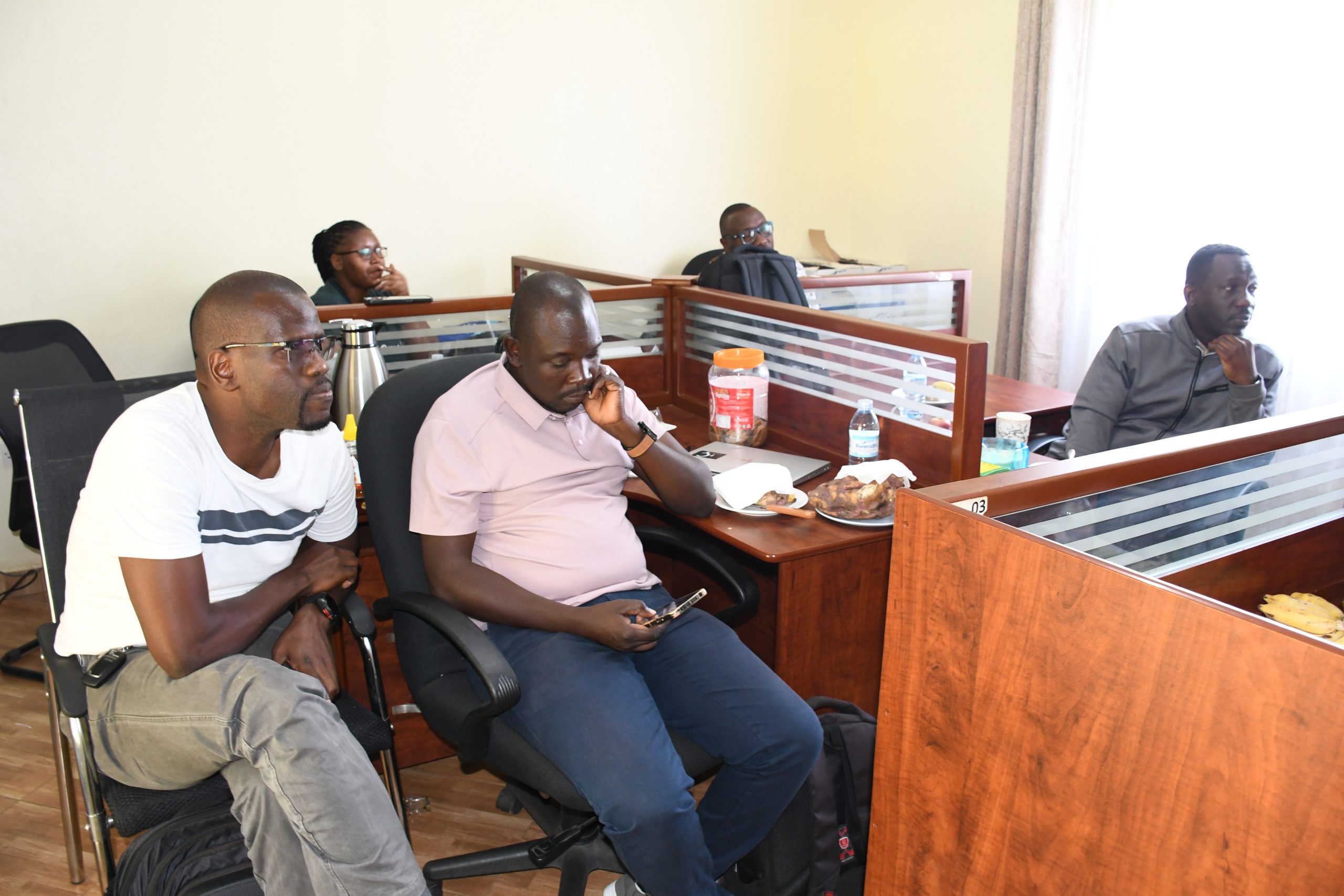
Mr. Rudy Gevaert, the Flemish team leader, addressing team members during the meeting.
These included the development of an AI and data management policy to guide responsible data use and digital governance within the institution. The team also explored opportunities to support other UCoBS sub-projects through digital innovation, including the development of a mobile application to support conservation research activities.
Other planned initiatives include strengthening gender inclusion in ICT activities, expanding technical training for staff and students, and improving digital infrastructure sustainability through solar-powered data center solutions.
Strengthening Teamwork and Knowledge Exchange
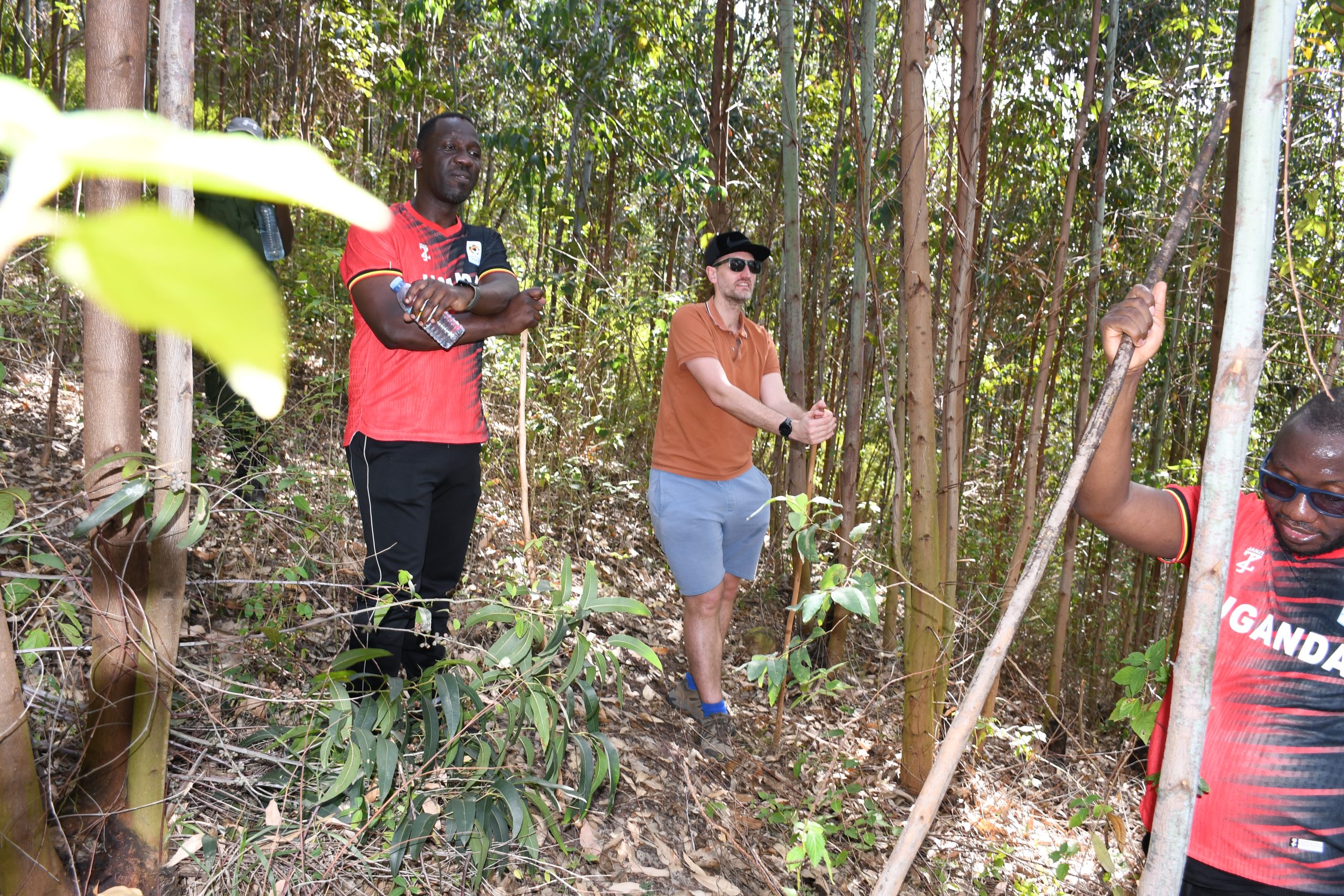
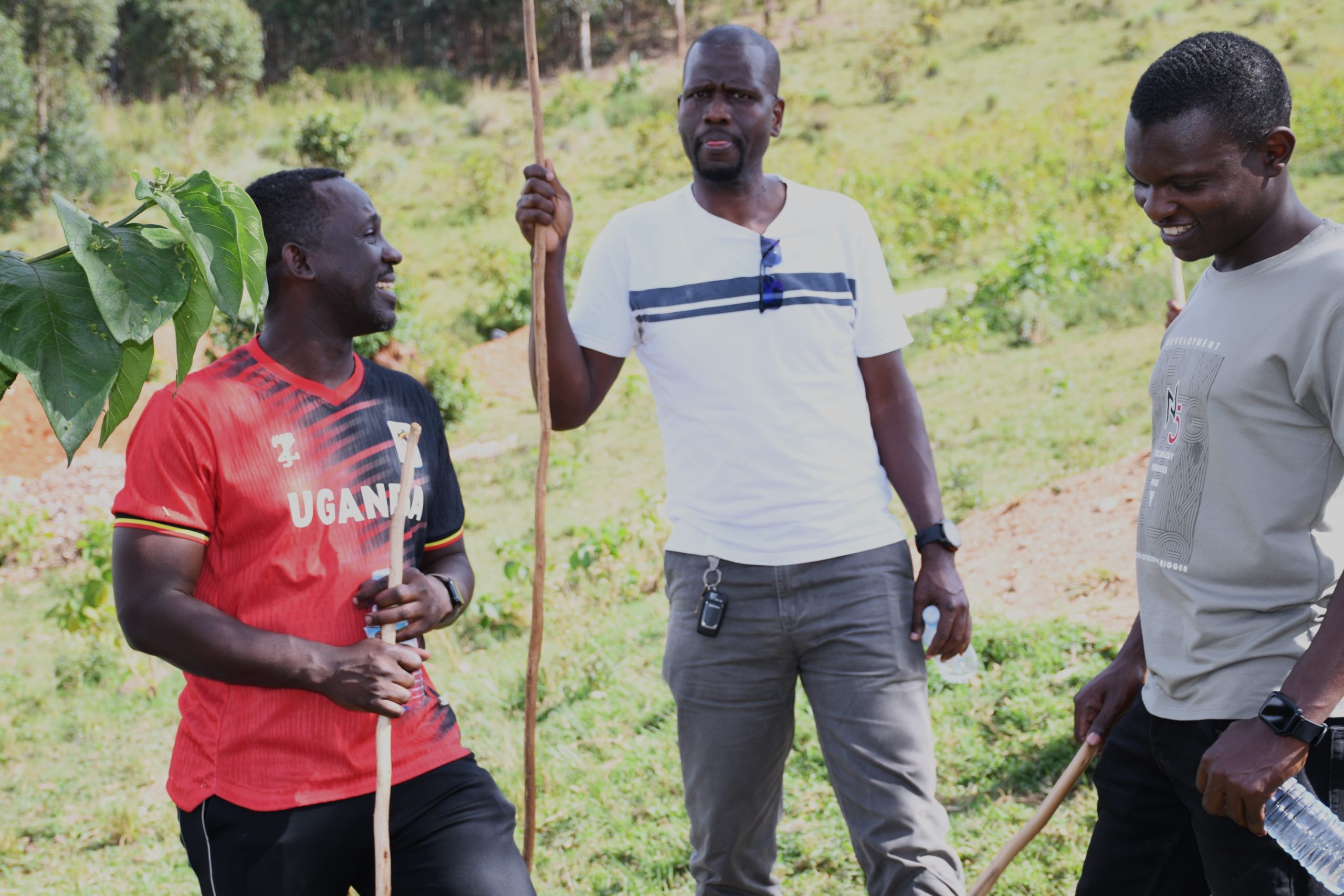
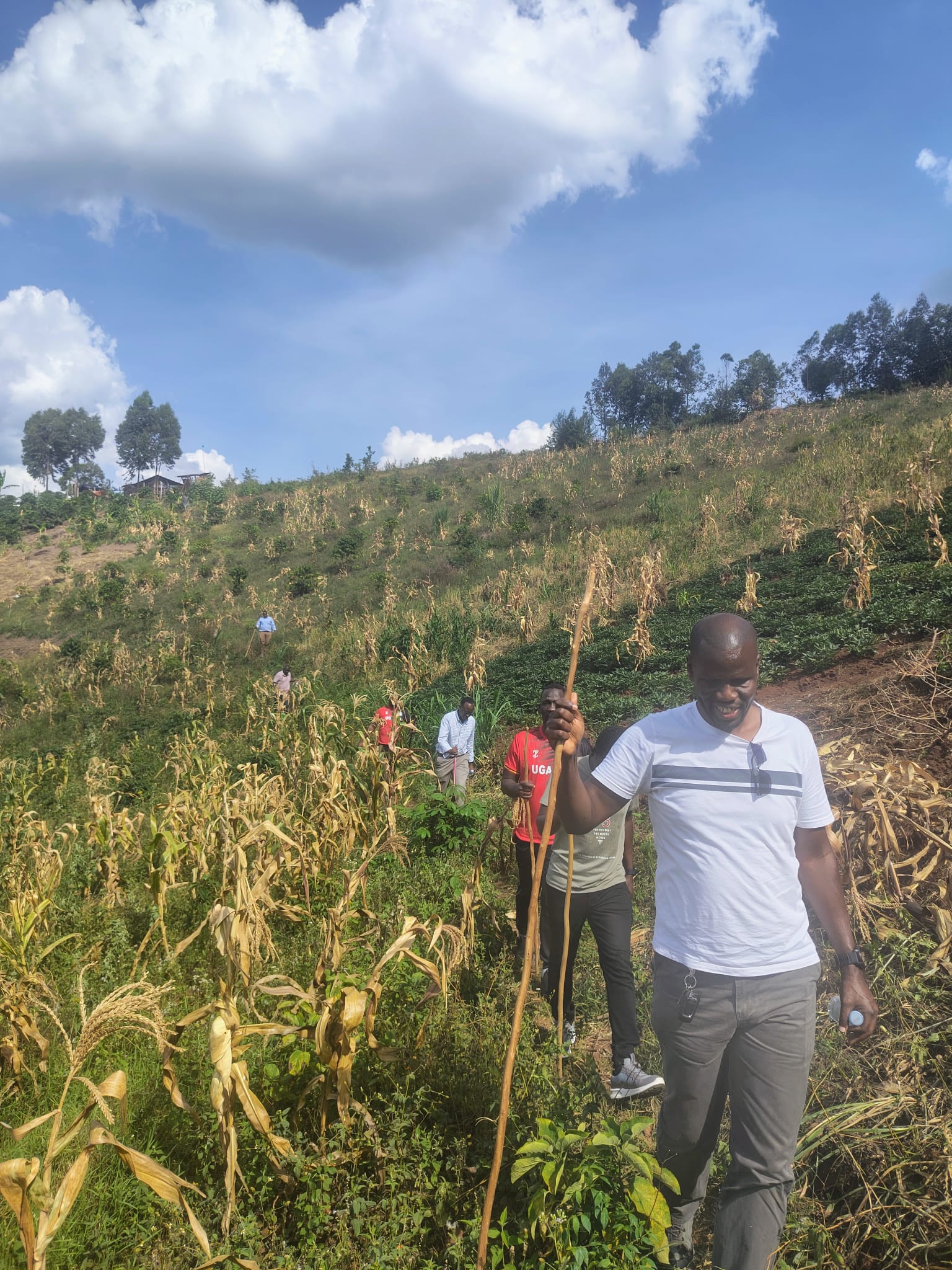
Photos taken during the team-building activity at Nyore, Rwampara district
The visit also included a team-building activity at Nyore Hill Retreat in Rwampara District, where ICT staff and project members engaged in discussions aimed at strengthening collaboration, understanding team strengths, and improving coordination within the project.
Technical meetings were also held between the Flemish team leader and MUST’s systems administration team to provide guidance on network infrastructure development and ICT systems management.
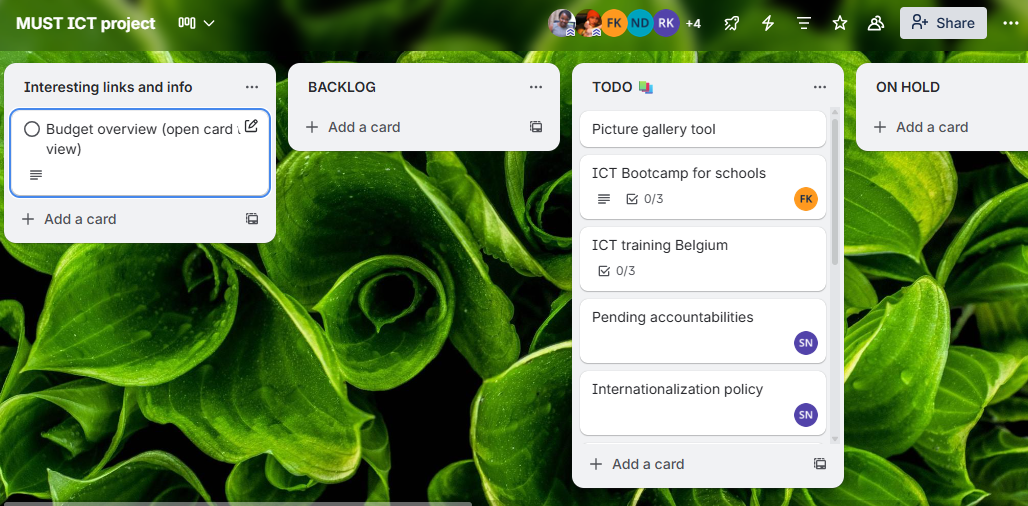
During these engagements, the sub-project 6 assistant was introduced to the Trello project management platform to support improved project coordination, monitoring of tasks, and reporting.
 The Flemish visit provided an important opportunity to reflect on achievements made under Sub-project 6 and to identify priorities for the next phase of the UCoBS program.
By strengthening digital infrastructure, enhancing ICT skills, and promoting collaborative innovation, the partnership continues to support the broader mission of MUST in advancing research excellence and improving access to information within the university and the wider community