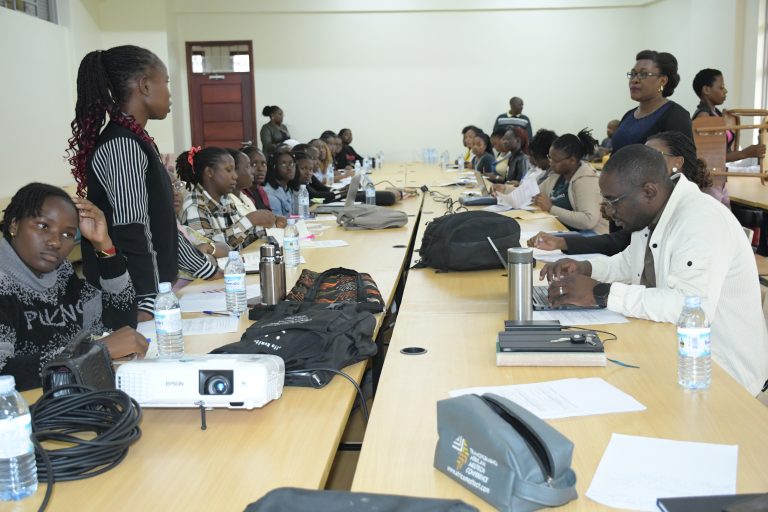
Students and lecturers explore strategies to close gender gaps in technology and promote inclusive digital innovation.
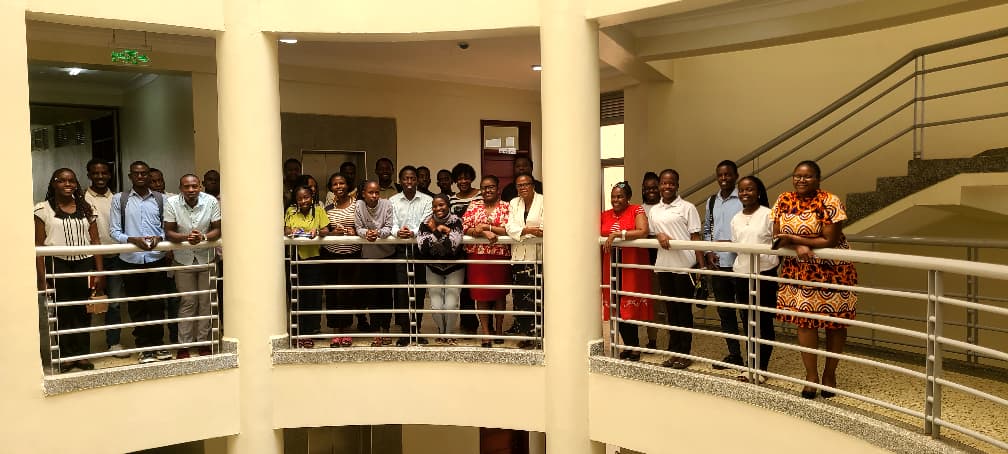 Mbarara University of Science and Technology (MUST) hosted a two-day Gender and ICT Mainstreaming Workshop from 16th to 17th February 2026 at the Faculty of Computing and Informatics, Kihumuro Campus. The workshop, organized under the UCoBS Sub-project 6 initiative and coordinated by Dr. Deborah Natumanya, a sub-project 6 team member leading the gender and ICT events, aimed to strengthen gender awareness and promote inclusive digital practices within ICT education at the university.
Held under the theme “Increasing Gender Awareness in ICT: Building Inclusive Digital Spaces at MUST,” the workshop brought together students from the Faculty of Computing and Informatics (FCI) and the Faculty of Applied Sciences and Technology (FAST) to discuss gender equality in technology and digital innovation.
Understanding Gender Challenges in ICT
The first day of the workshop focused on building a foundational understanding of gender concepts and examining the barriers that affect participation in ICT education and careers. Discussions highlighted the differences between gender and sex, the influence of stereotypes in technology fields, and the persistent gender gaps that affect women’s participation in ICT globally and locally.
Participants also explored challenges experienced within universities, including classroom dynamics, unconscious bias, and institutional barriers that can affect female participation and retention in ICT programs. Through panel discussions involving lecturers, students, and administrators, participants shared experiences and identified key gender issues affecting digital learning environments at MUST.
Designing Inclusive Digital Learning Spaces
The second day focused on practical strategies for creating gender-responsive digital environments. Sessions examined how digital platforms, e-learning systems, and technology design can influence participation and inclusion.
Participants discussed how lecturers, system developers, and students can contribute to designing accessible, safe, and inclusive digital spaces while also promoting gender-sensitive teaching and technology design practices.
The workshop also explored strategies for improving gender equity within ICT programs through mentorship initiatives, student-led ICT clubs, institutional policy support, and partnerships with external organizations.
Participation and Impact
The workshop attracted strong participation from students, with balanced gender representation among participants. Evaluation results showed significant knowledge gains and high satisfaction levels among attendees.
Key evaluation findings included the following:
-
75–85% improvement in knowledge across key gender and ICT topics
-
95% increased awareness of institutional gender mechanisms at MUST
-
95% agreement that the workshop strengthened gender awareness within the university
-
High overall satisfaction, with most participants rating the workshop as excellent
Participants also reported that the sessions created a safe and inclusive environment for dialogue, with 100% of attendees indicating they felt comfortable expressing their views during discussions.
From Awareness to Action

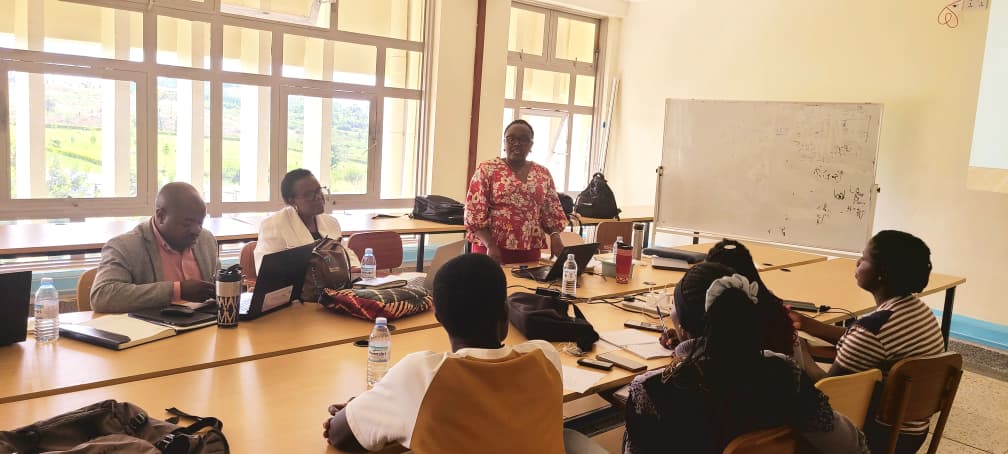
Beyond discussions, the workshop also focused on generating practical solutions for strengthening gender inclusion in ICT at MUST. Participants proposed several strategies, including structured mentorship programs, increased visibility of female role models in technology, gender-responsive curriculum integration, and improved monitoring of gender participation within ICT programs.
Student groups also emphasized the importance of peer mentorship, mixed-gender project teams, and inclusive leadership within ICT clubs as ways of supporting female participation in technology fields.
Participants committed to promoting inclusive practices by advocating for gender-sensitive digital design, supporting mentorship initiatives, and participating in gender-focused ICT activities.
Strengthening Gender Mainstreaming at MUST
The workshop forms part of broader efforts under the UCoBS program to strengthen institutional capacity, promote inclusive ICT practices, and support gender equity within digital innovation initiatives.
Key recommendations from the workshop included developing a gender knowledge tool for ICT programs, establishing structured mentorship frameworks, integrating gender-sensitive teaching practices, and institutionalizing annual gender and ICT awareness workshops.
These initiatives are expected to support long-term efforts to transform digital learning environments at MUST into inclusive spaces that encourage equal participation, innovation, and leadership in ICT.